10 Best Brass Fittings for Your Plumbing Needs?
When it comes to plumbing, selecting the right materials is crucial. Brass fittings stand out due to their durability and resistance to corrosion. They are commonly used in various plumbing applications, making them essential for both professionals and DIY enthusiasts.
Choosing high-quality brass fittings can enhance the longevity of your plumbing system. However, not all options are created equal. Some may have inconsistencies, such as poor threading or inferior finishes. These flaws can lead to leaks or failures down the line. It's vital to pay attention to details when selecting fittings, ensuring they meet your specific needs.
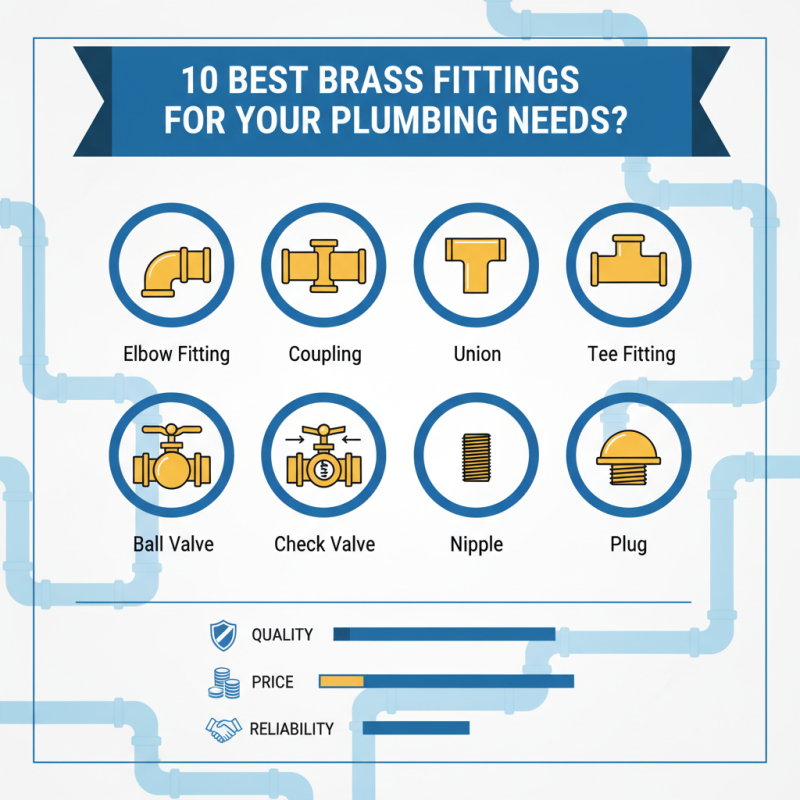
In this guide, we present the ten best brass fittings available on the market today. Each fitting is evaluated based on quality, price, and reliability. By the end of this overview, you will have a clearer understanding of the best options to consider for your plumbing needs. Making informed choices can prevent costly repairs and improve functionality.
Understanding the Importance of Brass Fittings in Plumbing
Brass fittings play a vital role in plumbing systems.
They provide a durable connection between pipes and fixtures. This material is resistant to corrosion and can handle high temperatures.
Many homeowners appreciate these qualities. However, proper installation is crucial.
A poorly sealed joint can lead to leaks. Leaks waste water and can cause structural damage.
Using the right size fittings is essential. Oversized or undersized fittings can disrupt water flow.
This might cause pressure issues, leading to inconsistent water supply.
Some fittings are designed for specific applications. It’s important to ensure compatibility with existing plumbing.
Even minor mistakes in selection can have major consequences.
While brass fittings are generally reliable, they can wear out over time.
Regular inspection can help identify issues early.
Some may notice tarnishing, which indicates aging.
Don’t overlook signs of wear. Addressing them promptly can prevent more extensive repairs later.
In plumbing, small details matter.
Those who neglect them often face bigger problems down the road.
Types of Brass Fittings: An Overview for Homeowners
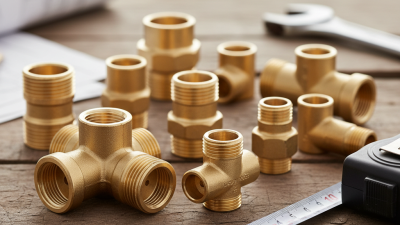
When it comes to plumbing, understanding different types of brass fittings is essential for homeowners. Brass fittings are durable and corrosion-resistant, making them a popular choice. You will find a range of fittings like elbows, tees, and couplings. Each fitting serves a specific purpose in your plumbing system. Elbows help navigate corners, while tees create branch lines.
Homeowners often overlook the importance of selecting the right fitting. Choosing the wrong size can lead to leaks. It's vital to measure pipes accurately before purchasing. Additionally, fittings come in different configurations that may complicate installation. Some may require tools, while others are easy to hand-tighten.
Not all brass fittings are equal in quality. It's crucial to review the specifications when shopping. Some fittings may corrode faster than others. Consider the environment where they will be installed. Hot, humid areas can affect performance. Avoid rushing decisions, as poor choices can lead to costly repairs down the line. Always take time to research options before making a purchase.
10 Best Brass Fittings for Your Plumbing Needs - Types of Brass Fittings: An Overview for Homeowners
| Fitting Type |
Size (inches) |
Application |
Material Standard |
Connection Type |
| Elbow |
1/2 |
Changing direction in plumbing |
ASTM B443 |
Solder |
| Tee |
3/4 |
Combining water lines |
ASTM B36 |
Compression |
| Reducer |
1 to 1/2 |
Changing pipe size |
ASTM B16 |
Solder |
| Plug |
1/2 |
Sealing a pipe |
ASTM B21 |
Threaded |
| Nipple |
3/4 |
Connecting two fittings |
ASTM B283 |
Threaded |
| Coupling |
1/2 |
Joining two pipes |
ASTM B16 |
Compression |
| Union |
3/4 |
Easily disconnecting pipes |
ASTM B283 |
Threaded |
| Ball Valve |
1 |
Shutting off flow |
ASTM B16 |
Threaded |
| Hose Bib |
3/4 |
Connecting hose to faucet |
ASTM B21 |
Threaded |
| Check Valve |
1/2 |
Preventing backflow |
ASTM B16 |
Threaded |
Top Brands for Quality Brass Fittings in the Market
When selecting brass fittings, understanding the top brands available is crucial. Quality brass fittings are essential in ensuring leak-free plumbing systems. Reports indicate that 80% of plumbing failures are due to poor materials. Thus, investing in high-quality products from reputable brands can save time and money.
A recent industry report cited that brass fittings have a significant advantage over plastic ones. They withstand higher pressures and temperatures. This characteristic is vital for both residential and industrial plumbing. However, not all brass fittings are the same. Some brands compromise on the alloy's quality, leading to corrosion and failure. Many professionals recommend performing regular maintenance checks on fittings to ensure longevity and reliability.
Cost is another factor to consider. Premium brass fittings often come with a higher price tag. However, the return on investment can be substantial. Cheaper fittings may need replacements sooner, creating additional expenses. Investing in quality can lead to better performance and fewer headaches in the long run. It's essential to weigh the initial costs against potential long-term savings and hassle.
Key Features to Consider When Choosing Brass Fittings
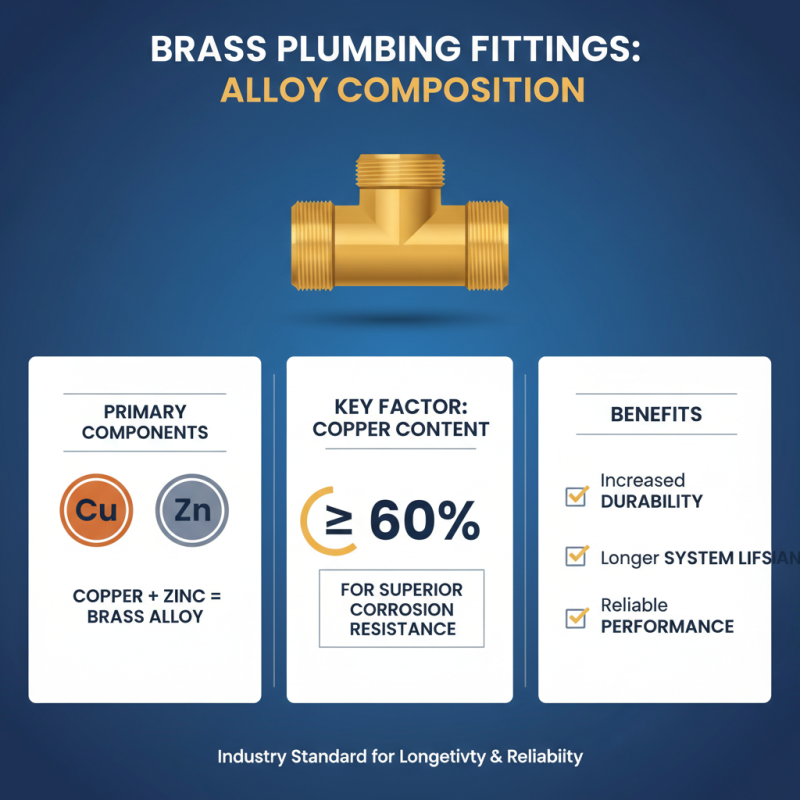
When selecting brass fittings for plumbing, consider the alloy composition. Brass alloys are primarily composed of copper and zinc. Different ratios affect corrosion resistance and durability. According to industry reports, a copper content of at least 60% ensures better corrosion resistance, essential for longevity in plumbing systems.
The fittings' size and compatibility with existing pipes are crucial. Accurate measurements prevent leaks and ensure efficiency. A recent study highlighted that mismatched fittings contribute to over 30% of plumbing failures. Additionally, pressure ratings matter. High-quality brass fittings can withstand significant pressure, making them suitable for various applications. Some fittings are rated for 200 psi, while others may only handle 50 psi.
Surface finish is often overlooked but can impact performance. A smooth finish resists mineral buildup, reducing maintenance needs. However, not all finishes are created equal. Some may wear quickly, leading to unexpected failures. The choice of fittings should reflect both budget and long-term reliability. Identifying the right balance can be challenging, requiring careful consideration.
Maintenance Tips for Longevity of Brass Plumbing Fittings
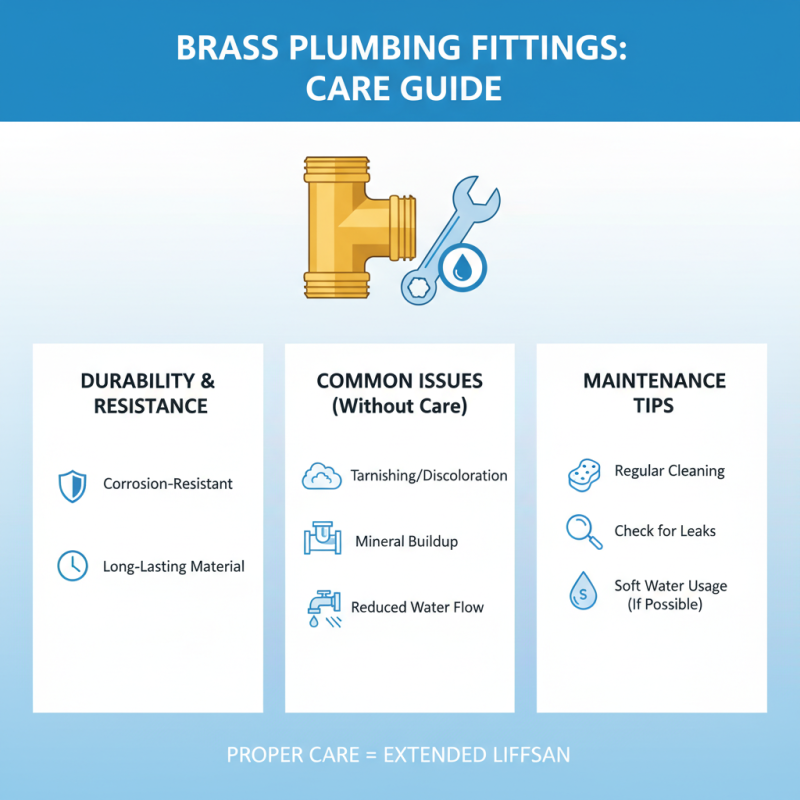
Brass plumbing fittings are known for their durability and resistance to corrosion. However, without proper maintenance, they can develop issues over time. Regular care will help ensure they last longer.
One effective tip is to check for leaks regularly. Small leaks can become bigger problems if not addressed quickly. If you see any moisture around fittings, it’s time to tighten or replace them. Clean your brass fittings periodically with a gentle cleaner. Avoid harsh chemicals that could damage the surface. A soft cloth can work wonders.
Also, keep fittings away from extreme temperature changes. Brass can expand and contract, leading to weak joints. Store spare fittings in a climate-controlled area. Proper storage prevents unnecessary wear and tear. Thoughtful care will ensure your plumbing system remains efficient and reliable.