2026 Best Press Fittings Types for Your Plumbing Needs?
When it comes to plumbing, choosing the right materials is crucial. Press fittings are a popular choice for many plumbers and DIY enthusiasts. These fittings offer simplicity and efficiency, making installations faster and more reliable. The 2026 Best Press Fittings Types for Your Plumbing Needs will guide you through the variety available.
Selecting the right press fittings can be overwhelming. There are many types designed for different applications. Some may work perfectly in residential settings but might fail under high-pressure environments. It’s essential to consider the specific demands of your plumbing project. Look for options that fit your budget and needs.
Even with their advantages, press fittings are not flawless. Installation mistakes can lead to leaks and costly repairs. Evaluating the quality and compatibility of your chosen fittings is critical. Understanding the limitations of each type can save you time and trouble in the long run. By keeping these points in mind, you can make a more informed choice for your plumbing needs.
Overview of Press Fittings and Their Importance in Plumbing
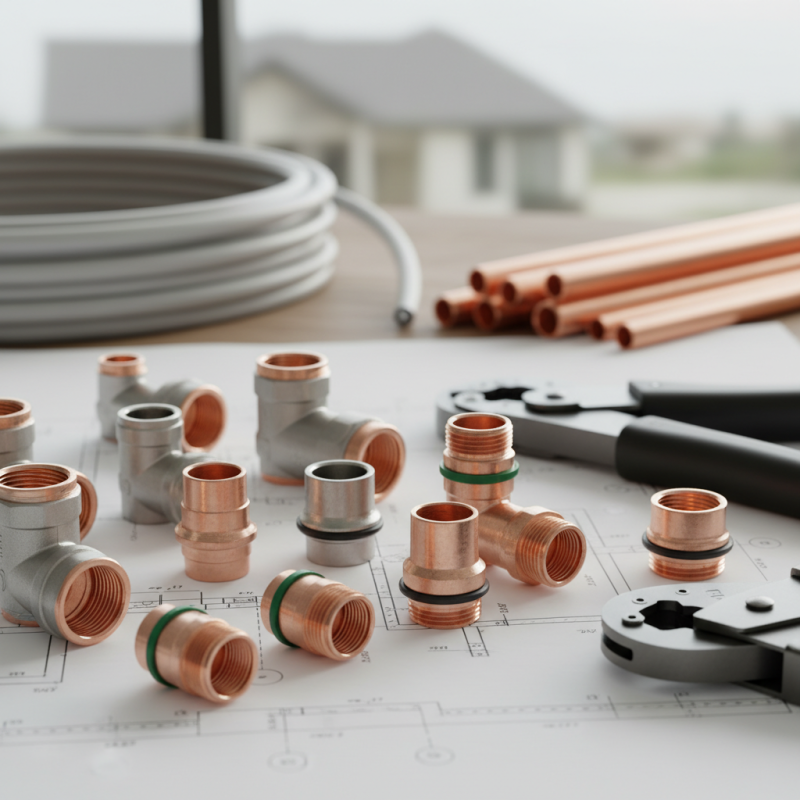
Press fittings have transformed the plumbing industry. They provide a quick and effective solution for joining pipes. This technology is gaining traction due to its efficiency and reliability. Research indicates that press fittings can reduce installation time by up to 50%. This is a significant advantage for both plumbers and homeowners.
The materials used in press fittings are crucial. They are commonly made from stainless steel or copper. Each material has its own benefits and challenges. For example, stainless steel is durable but can be expensive. On the other hand, copper fittings are lightweight and easier to handle. The choice of material affects performance and longevity. Some reports suggest that improper material selection may lead to corrosion and leaks. This highlights the need for careful consideration.
One drawback is that not all plumbers are trained in using press fittings. This can lead to poor installation practices. Misalignment is a common issue, which can compromise the fitting's integrity. Training and proper tools are essential to avoid these mistakes. The industry faces a learning curve, but the benefits of press fittings are undeniable. They continue to shape the future of plumbing installations.
2026 Best Press Fittings Types for Your Plumbing Needs
| Fitting Type |
Material |
Pipe Size (inches) |
Pressure Rating (psi) |
Temperature Range (°F) |
Common Applications |
| Copper Press Fitting |
Copper |
1/2 - 2 |
200 |
-40 to 250 |
Water, Gas |
| Stainless Steel Press Fitting |
Stainless Steel |
1/2 - 4 |
300 |
-60 to 500 |
Chilled Water, Hot Water |
| PEX Press Fitting |
Cross-Linked Polyethylene |
3/8 - 2 |
160 |
-40 to 200 |
Heating Systems, Potable Water |
| Brass Press Fitting |
Brass |
1/2 - 3 |
250 |
-40 to 250 |
Water, Steam |
Types of Press Fittings: A Comprehensive Breakdown
When considering press fittings for plumbing, understanding the types available is crucial. The most common types include copper, stainless steel, and PEX fittings. According to a recent industry report, copper remains popular due to its durability and resistance to corrosion. Stainless steel fittings, while costlier, offer excellent strength, making them suitable for high-pressure applications.
PEX fittings have gained traction as well. They provide flexibility and are easy to install. A study revealed that PEX installations can reduce labor costs by 30%. However, their lifespan can depend on various factors like water quality and temperature. It's essential to assess these elements when choosing the right type for your plumbing project.
Whether you are renovating or constructing, knowing the right fitting type can save time and money. Personal experiences highlight the need for careful selection. Not all materials are created equal. Some may fail under specific conditions, leading to leaks or other plumbing issues. Balancing cost and performance is vital in making informed choices for long-term success.
2026 Best Press Fittings Types for Your Plumbing Needs
Material Choices: Copper, Stainless Steel, and PEX Press Fittings
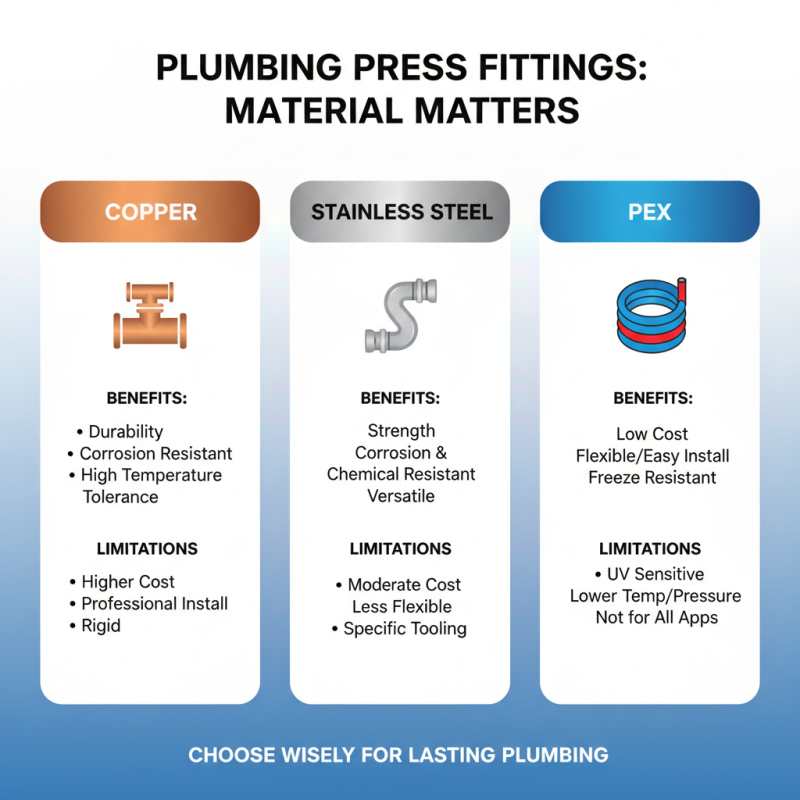
When it comes to plumbing, choosing the right press fittings is crucial. Copper, stainless steel, and PEX are popular options. Each material has its own unique benefits and limitations, making the choice more complex than it may seem.
Copper press fittings are traditional but can be expensive. They resist corrosion and have a long lifespan. However, they can be difficult to install for beginners. Stainless steel, on the other hand, offers strength and durability. It works well in high-pressure systems. Yet, its cost can be a downside for some homeowners.
PEX fittings are flexible and lightweight. They are easy to install, making them ideal for DIY projects. Nonetheless, PEX may not be suitable for all environments, especially where temperatures drop significantly. Each material serves different needs, but knowing their downsides is important. Think carefully about your plumbing requirements before making a choice.
Key Features to Consider When Selecting Press Fittings
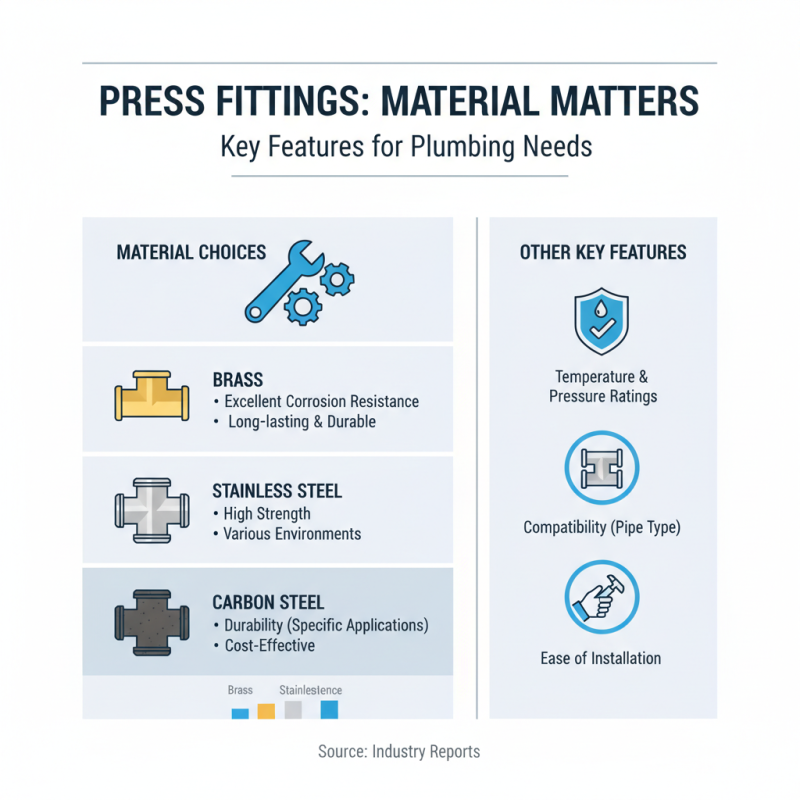
When selecting press fittings for your plumbing needs, several key features deserve attention. The material is crucial. Brass, stainless steel, and carbon steel are popular choices. Each offers different levels of corrosion resistance and durability. According to industry reports, brass fittings typically provide excellent resistance to corrosion and are long-lasting. Stainless steel, while more expensive, is known for its high strength in various environments.
Another vital factor is the fitting type. There are various types, such as end fittings and angle fittings. Often, the choice between them can affect flow rates and installation ease. Research highlights that well-chosen fittings can improve efficiency by up to 30%.
**Tip:** Always consider the specific application. Evaluate pressures and temperatures to make informed choices.
Compatibility is essential too. Ensure your fittings match with the pipes you intend to use. An ill-fitting connection can lead to leaks or failures.
**Tip:** Regularly inspect your fittings. Monitor for signs of wear. Catching issues early saves costs.
In conclusion, investing time in selecting the right features can enhance the longevity and reliability of your plumbing system. Make informed choices that consider all aspects. Don't settle; the right fittings make a difference!
Installation Techniques and Best Practices for Plumbing Efficiency
When installing press fittings, proper techniques are essential for optimal plumbing efficiency. Begin by ensuring you have the right tools. A quality press tool can make the job easier. Also, the fittings should be clean and free from debris. Dirt can lead to leaks and inefficiencies.
Tips: Always double-check your measurements. A small mistake can lead to a bigger issue later. If you find yourself frustrated, take a break. Rushing can lead to improper seals and future repairs.
Another key aspect is the alignment of the fittings. Misalignment can cause stress on the piping system. This stress might lead to premature failure. Therefore, take the time to align everything correctly before pressing. It’s a simple step that can save you headaches in the long run.
Tips: Don’t overlook visual inspections. Even small imperfections can become significant problems. Document your work progress. This can help identify issues later. Be open to learning from mistakes; they offer valuable lessons.