10 Best Stainless Steel Pipe Fittings for All Your Needs?
When it comes to plumbing and construction, choosing the right materials is crucial. As industry expert John Smith notes, "Quality stainless steel pipe fittings are the backbone of any reliable system." This statement underscores the importance of stainless steel pipe fittings in various applications, from residential plumbing to industrial projects.
Stainless steel pipe fittings are valued for their durability and corrosion resistance. However, not all fittings are created equal. Various manufacturers offer different grades and specifications, leading to potential confusion. Ensuring proper selection can save time and money, but it requires careful consideration and knowledge.
In a market flooded with options, making the right choice can be daunting. Many users overlook the long-term implications of their fittings. The right stainless steel pipe fittings should match both functionality and specific project requirements. This awareness will prevent future issues, such as leaks or premature wear, which can arise from poor choices. Investing time in understanding these products will yield lasting benefits.
Introduction to Stainless Steel Pipe Fittings and Their Importance
Stainless steel pipe fittings play a crucial role in various industries. They ensure fluid and gas transport, making them vital for plumbing, HVAC, and industrial applications. According to recent industry data, the global market for stainless steel fittings is expected to grow by 6% annually through 2025. This growth reflects their importance in construction and infrastructure.
The durability of stainless steel makes it a preferred choice. It resists corrosion, ensuring longevity even in harsh environments. However, not all stainless steel fittings are created equal. Some may not meet specific industry standards, leading to potential failures and costly repairs. Regular inspections and adherence to quality standards are necessary to avoid these pitfalls.
In addition, the increasing focus on sustainability puts stainless steel fittings in the spotlight. They are recyclable and have a longer lifecycle, which aligns with growing environmental concerns. However, cost remains a factor. Higher initial investment can deter some businesses from opting for stainless steel. Achieving the ideal balance between cost and quality is essential for making informed choices.
10 Best Stainless Steel Pipe Fittings for All Your Needs
| Fitting Type |
Size (inches) |
Material Grade |
Pressure Rating (PSI) |
Applications |
| Elbow |
1 |
304 |
1500 |
Water, Oil |
| Tee |
2 |
316 |
1500 |
Gas, Fluid Transfer |
| Reducer |
1 to 1/2 |
304 |
1000 |
Piping Systems |
| Coupling |
1 |
316 |
1500 |
General Joining |
| Cap |
3/4 |
304 |
1000 |
End Stop |
| Union |
1 |
316 |
1500 |
Easy Disconnection |
| Flange |
2 |
304 |
1500 |
Connecting Pipes |
| Bushing |
1/2 to 3/4 |
316 |
1000 |
Size Reduction |
| Nipple |
1 |
304 |
1000 |
Short Connections |
| Plug |
3/4 |
316 |
1000 |
Closing Ends |
Types of Stainless Steel Used in Pipe Fittings and Their Characteristics
Stainless steel pipe fittings come in different types. Each type uses a specific kind of stainless steel. The most common types include 304 and 316 stainless steel.
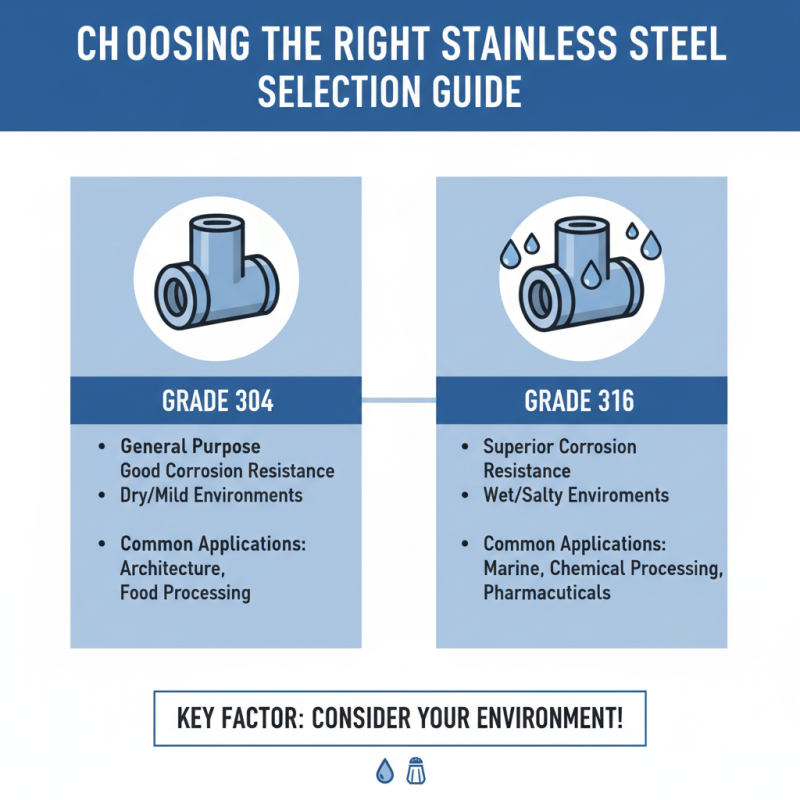
304 stainless steel is versatile. It resists corrosion in many environments. This makes it suitable for a wide range of applications. However, it can struggle in chloride-rich environments. For instance, saltwater can cause pitting. This limitation should be considered when choosing fittings for coastal projects.
316 stainless steel offers better corrosion resistance. It includes molybdenum, which enhances its durability. This feature makes it ideal for marine applications. However, 316 steel can be more expensive. It's important to weigh the costs against performance. Understanding these characteristics can help you make informed choices.
10 Best Stainless Steel Pipe Fittings
Key Factors to Consider When Choosing Stainless Steel Pipe Fittings
When selecting stainless steel pipe fittings, several key factors come into play. First, you need to understand the different grades of stainless steel. Common grades like 304 and 316 offer varying levels of corrosion resistance. So, consider your environment carefully. For wet or salty conditions, 316 is often the better choice.
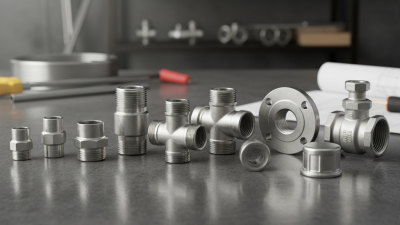
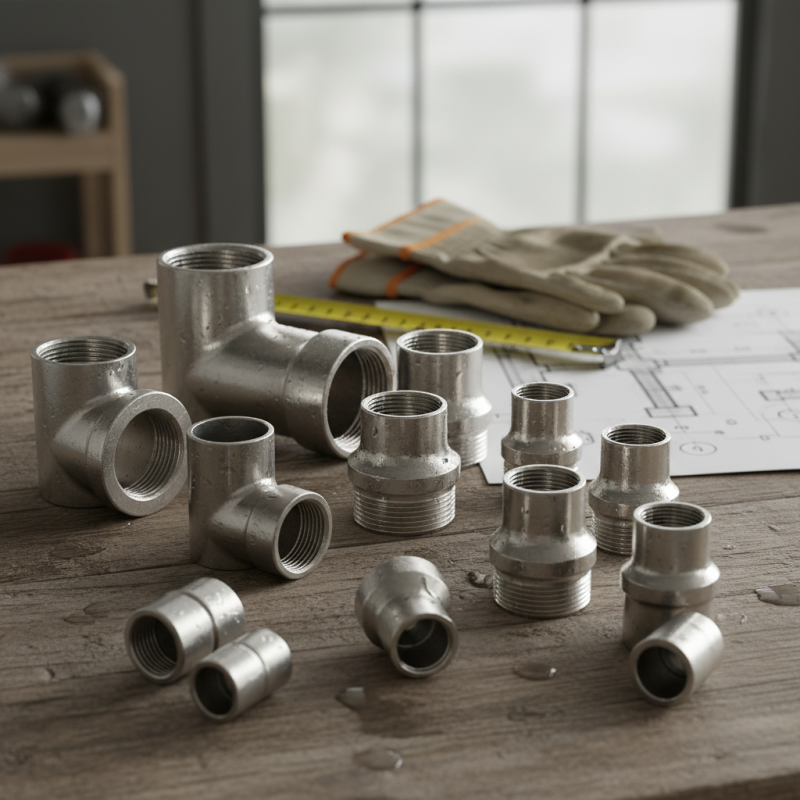
Next, think about the fitting types you require. There are various shapes like elbows, tees, and reducers. Each serves a specific purpose. Ensure you select the right one for your project needs. It’s crucial not to overlook the diameter and pressure ratings as well. Mismatched sizes can lead to leaks or failures.
**Tip:** Always double-check your specifications before purchasing. A small miscalculation can lead to costly errors.
Installation also matters. Some fittings are easy to assemble, while others require special tools. Don't underestimate the importance of proper installation. Poorly installed fittings can create weak points. This can make future repairs necessary.
**Tip:** Practice patience during installation. Rushing can lead to mistakes. Take your time to ensure everything is fitted correctly. A little attention now can save significant trouble later.
Top 10 Stainless Steel Pipe Fittings Suitable for Various Applications
When selecting stainless steel pipe fittings, consider the diversity of applications. These fittings are crucial in plumbing, automotive, and industrial sectors. Each application often requires specific types of fittings. Common options include elbows, tees, and couplings, all designed to connect different pipe sizes seamlessly. The right choice can enhance durability and leak prevention in any system.
Quality matters, but so does compatibility. Ensure that the fittings match the type of pipes used. Misalignment can lead to serious issues, such as leaks and losses. This is a common oversight. Inspecting the specifications of both the pipe and the fitting is essential. Additionally, the installation process can be challenging. An improper fitting can result in weak connections that compromise the system.
In some cases, users might overlook the importance of proper sealing. Inadequate sealing can lead to potential failures. Always consider using seals or thread tapes when fitting pieces together. This will help to prevent future complications. Understanding the environment in which these fittings will be used is equally important. Factors like temperature and pressure can affect the performance of the fittings.
Maintenance Tips for Ensuring Longevity of Stainless Steel Pipe Fittings
Maintaining stainless steel pipe fittings can ensure their longevity and reliability. Stainless steel is known for its corrosion resistance and durability. However, regular maintenance is crucial to avoid deterioration. According to industry studies, about 25% of premature failures in fittings are due to poor maintenance practices.
Regular inspection is essential. Look for signs of wear, corrosion, or leaks. Even a small crack can lead to significant issues later. Cleaning these fittings helps remove any buildup that may lead to corrosion. Use mild detergents and soft cloths. Harsh chemicals can cause damage, which is often overlooked.
Additionally, it's vital to ensure proper installation. Over-tightening fittings can lead to stress fractures. Data suggests that incorrect installation is responsible for nearly 30% of fitting failures. Keeping fittings free from contaminants also plays a significant role. Even dust particles can cause long-term harm. Establishing a routine maintenance schedule can greatly extend the life of stainless steel pipe fittings.