What is a Brass Elbow and How is it Used in Plumbing?
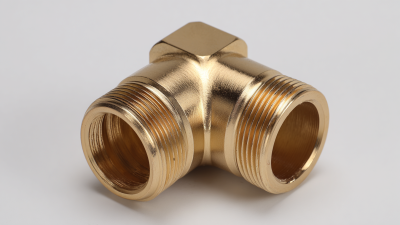
A Brass Elbow is an essential component in plumbing systems. It serves as a connector, enabling pipes to change direction. This fitting is crafted from brass, a durable and corrosion-resistant material, ideal for various plumbing applications. Its design allows easy installation and secure connections, making it a popular choice among plumbers.
One common use of the Brass Elbow is in water supply lines. By changing the angle of the pipes, it helps navigate tight spaces. Despite its utility, some may overlook proper installation techniques. A poorly installed Brass Elbow can lead to leaks, which may cause water damage.
When selecting a Brass Elbow, consider the specific requirements of your project. The size and angle of the fitting are critical. Sometimes, finding the right fit can be a challenge. Don’t rush the decision. Take your time to choose wisely for lasting results.
What is a Brass Elbow and Its Role in Plumbing Systems
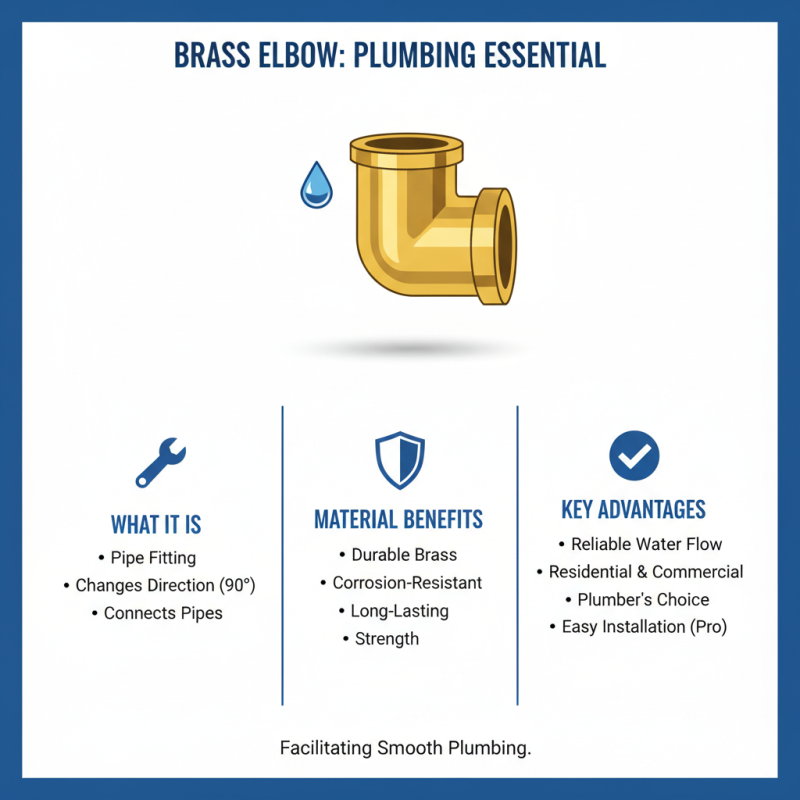
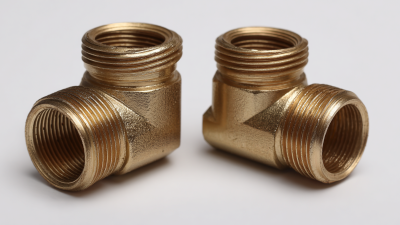
A brass elbow is a crucial component in plumbing systems. It is a fitting that allows pipes to change direction, typically at a 90-degree angle. The material, brass, is durable and resistant to corrosion, making it ideal for both residential and commercial use. Many plumbers choose brass elbows for their strength and longevity. When properly installed, they facilitate smooth water flow through challenging angles.
In plumbing systems, the role of a brass elbow extends beyond mere functionality. They help maintain a tight seal, preventing leaks. A poorly seated elbow can cause water to leak, leading to potential damage and costly repairs. When using brass elbows, one must pay attention to the fitting's orientation. Misalignment can create strain on the pipes, limiting their lifespan.
Choosing the right size is also critical. Elbows come in various dimensions to fit different pipes. An incorrectly sized elbow can restrict flow or cause other issues. A plumber should verify measurements before installation. Despite their simplicity, brass elbows can pose challenges if not considered thoroughly. Success in plumbing is often about the details.
Types of Brass Elbows: 90-Degree vs 45-Degree Configurations
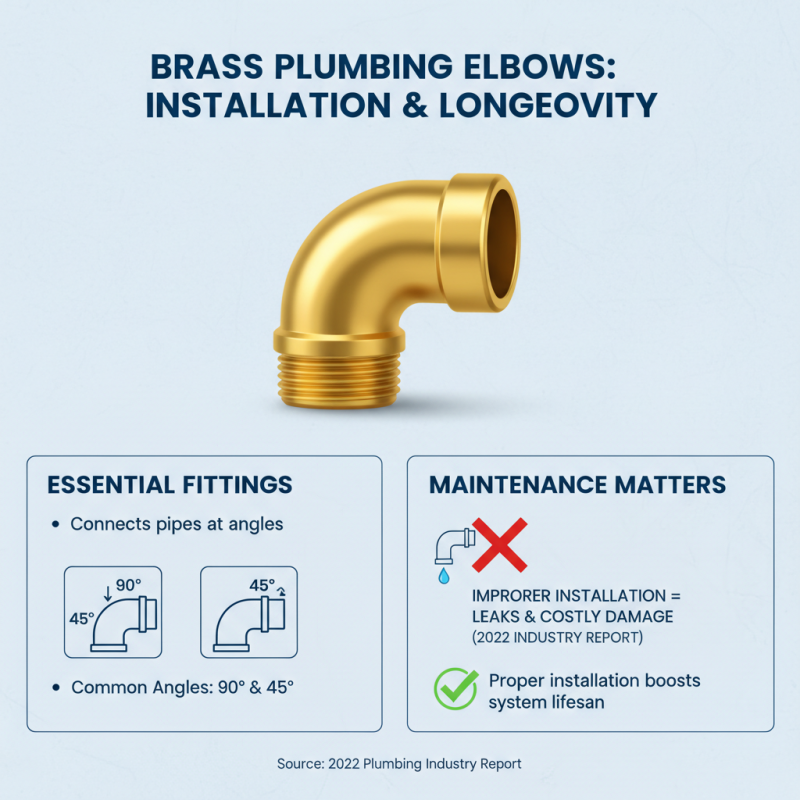
Brass elbows are essential components in plumbing systems. They are used to connect pipes at different angles. The two most common configurations are 90-degree and 45-degree elbows. Each serves a distinct purpose in pipe routing.
A 90-degree brass elbow allows for a sharp turn. This is useful in tight spaces. According to industry reports, over 60% of plumbing projects incorporate this angle. It enables efficient flow in short distances. However, it can create pressure issues if overused.
On the other hand, the 45-degree elbow provides a gentler turn. This option promotes smoother flow. Studies show that installations with 45-degree elbows reduce friction by up to 20%. However, they occupy more space. This might be problematic in cramped areas. Ultimately, choosing between these types depends on specific project needs and space constraints.
Brass Elbow Types and Their Applications in Plumbing
| Type |
Angle |
Application |
Material |
Typical Sizes |
| Brass Elbow |
90-Degree |
Changing direction of piping |
Brass |
1/2" to 4" |
| Brass Elbow |
45-Degree |
Gentle turn in piping |
Brass |
1/2" to 2" |
| Brass Elbow |
90-Degree |
Used in tight spaces |
Brass |
3/4" to 3" |
| Brass Elbow |
45-Degree |
Used for ventilation |
Brass |
1/2" to 1" |
Key Specifications and Standards for Brass Elbow Fittings
Brass elbows are essential components in plumbing systems. They are designed to make 90-degree turns in pipes, facilitating fluid flow in various directions. These fittings are available in different sizes and specifications to fit various plumbing needs. Garden hoses, shower systems, and heating pipes all benefit from brass elbows.
When considering key specifications, one must pay attention to the material and pressure ratings. Brass elbows must comply with certain standards to ensure durability and safety. Common standards include ASTM B16.22, which covers solder joint fittings. Another standard, ASME B16.18, specifies requirements for cast copper alloy fittings. It's crucial to verify these details before installation, as improperly selected fittings can lead to leaks and malfunctions.
However, while brass elbows are known for their corrosion resistance, they are not impervious to wear. Over time, they may show signs of degradation. Sometimes installation techniques can also be flawed, leading to issues down the line. Careful planning and adherence to specifications can lessen these risks significantly. Remember, occasional inspection of fittings can prevent larger plumbing headaches in the future.
Brass Elbow Fittings in Plumbing: Key Specifications and Usage
Advantages of Using Brass Elbows in Plumbing Applications
Brass elbows play an essential role in plumbing systems. They allow pipes to change direction, making installations more flexible. Using brass elbows offers multiple advantages that stand out.
One significant benefit is durability. Brass is resistant to corrosion and wear. This means that brass elbows can last a long time, reducing the need for frequent replacements. They handle both hot and cold water well. This quality makes them a popular choice for various plumbing applications. A downside, though, is that they can be more expensive than other materials.
When installing brass elbows, ensure proper sealing. It’s crucial to prevent leaks. Using high-quality tape can help create a tight fit. Remember that poor installation can lead to costly repairs. Keep the fittings clean to promote longevity.
Consider the weight of brass elbows in your design. They are heavier than plastic options. This might require additional support. Weigh your options carefully. Taking these details into account can lead to a more effective plumbing system.
Installation and Maintenance Practices for Brass Elbows
Brass elbows are essential fittings in plumbing. They connect pipes at an angle, typically 90 or 45 degrees. Installation and maintenance practices for brass elbows can significantly affect the longevity of plumbing systems. According to a 2022 plumbing industry report, improper installation can lead to leaks, causing costly water damage.
When installing brass elbows, ensure the surfaces are clean and dry. This step is crucial for creating a proper seal. Always use the right wrench to avoid over-tightening. Over-tightening can deform the elbow, leading to leaks. Inspect regularly for signs of wear or corrosion. Brass can corrode over time, especially in wet conditions.
**Tip:** Always have spare elbows on hand. This simple practice can save time during urgent repairs.
Maintenance is key to performance. Regularly check connections for rust or gaps. Some industry experts suggest using thread sealant on joints. This can enhance durability. However, using too much can create leaks. It’s important to find the balance.
**Tip:** Schedule annual inspections with a professional. Small issues can escalate if not addressed early.