What is Brass Elbow and How to Choose the Right One?
Brass elbows are essential components in plumbing and pipe systems. They enable seamless angle transitions in plumbing lines. Choosing the right brass elbow can enhance system durability and efficiency.
Selecting a brass elbow involves considering various factors like size, angle, and application. The material's resistance to corrosion is vital for longevity. A poorly chosen brass elbow may lead to leaks or system failures. It's crucial to understand the specific needs of your project before making a decision.
In a market filled with options, finding the best brass elbow can be overwhelming. Each project has unique requirements. It’s important to reflect on your past experiences and gather information from experts. This will help ensure reliable installations.
What is a Brass Elbow and Its Common Applications?
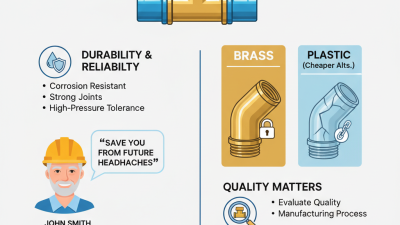
Brass elbows are essential fittings in various plumbing and piping systems. They connect pipes at an angle, allowing for efficient flow in constrained spaces. Common applications include residential plumbing, HVAC systems, and industrial machinery. The versatility of brass elbows makes them a popular choice in different settings, with their corrosion resistance enhancing longevity. Studies indicate that brass fittings can last up to 50 years in optimal conditions.
In HVAC systems, brass elbows support airflow and fluid distribution. Their ability to withstand high pressures makes them suitable for hydraulic applications as well. However, improper selection can lead to inefficiencies. Choosing the wrong size or type could disrupt the flow, resulting in increased energy costs.
**Tips:** When selecting a brass elbow, consider the type of pipe material and the environment. Certain brass alloys are better for specific applications, such as high temperatures or corrosive substances. Always check compatibility to avoid premature wear. If unsure, consult with a professional for guidance tailored to your specific needs.
What is Brass Elbow and Its Common Applications?
| Dimension |
Angle |
Pipe Size |
Common Applications |
| 1/2 inch |
90 degrees |
1/2 inch |
Water supply, gas lines |
| 3/4 inch |
45 degrees |
3/4 inch |
HVAC systems, plumbing |
| 1 inch |
90 degrees |
1 inch |
Pneumatic systems, drainage |
| 1 1/4 inch |
180 degrees |
1 1/4 inch |
Irrigation systems, fuel lines |
The Different Types of Brass Elbows Available in the Market
Brass elbows are essential components in plumbing and piping systems. They enable direction changes in pipe fixtures. There are various types of brass elbows available in the market, each designed for specific applications. The most common types include 90-degree elbows, 45-degree elbows, and straight connectors. Choosing the right type depends on the layout and design of your plumbing system.
When selecting a brass elbow, consider the angle required for your installation. A 90-degree elbow is often used for sharp turns, while the 45-degree option works well for gentler curves. Additionally, some elbows feature a threaded design, making them easier to install. The material quality also varies, impacting durability and resistance to corrosion. Look for options that meet your project's standards.
It's important to reflect on the installation process. Improper alignment could lead to leaks or inefficiencies. Understand your specific needs and consult with experts if unsure. A bit of research can save time and money in the long run. Investing in the right brass elbow ensures the longevity of your piping system. Always double-check the specifications to avoid future issues.
Key Factors to Consider When Choosing a Brass Elbow
When choosing a brass elbow, several key factors come into play. Consider the size of the pipe you are working with. An incorrect size can lead to leaks or improper fitting. Measuring the diameter accurately is crucial. The angle of the elbow also matters. Common angles are 45 and 90 degrees. Choose one that suits your plumbing layout precisely.
Another important factor is the pressure rating. Brass elbows withstand varying pressure levels. It's essential to match the elbow's ratings with your system's needs. Pay attention to the type of brass used. There are different alloys, each with specific characteristics. You may find some brass elbows are better for plumbing, while others excel in chemical resistance.
Installation can be tricky. Improper installation may lead to future issues. Ensure that you use the right tools and follow proper techniques. Seek advice if you’re uncertain about joint fittings. Even a small mistake can lead to significant problems down the line. Remember, having the right brass elbow can save time and money in repairs.
Brass Elbow Types and Their Popularity
Installation Tips for Brass Elbows in Plumbing Projects
When installing brass elbows in plumbing projects, attention to detail is crucial. Make sure to assess the location where the elbow will connect. A tight corner may require a specific angle for effective water flow. Choosing the correct size is equally important. Measure the pipe diameter accurately to avoid leaks or pressure issues. Using a tape measure can simplify this process.
Installation techniques also matter. Ensure you clean the connecting surfaces thoroughly. Dirt or debris can lead to leaks over time. Apply plumbing tape or sealant when necessary. This step can offer extra protection against water damage. It’s wise to double-check the fittings after tightening them. A loose connection today can mean repairs tomorrow.
Consider future maintenance as well. Make sure the elbow is accessible in case of replacement. Sometimes, hidden spaces may complicate this process. A good practice is to leave a small service loop in your pipe layout. It could save time and effort later. Remember, even the best installations might face challenges. Don't hesitate to revisit your work if issues arise.
Maintenance and Care for Brass Elbows to Ensure Longevity
Brass elbows are common in plumbing and HVAC systems. Proper maintenance is essential for their longevity. Regular inspection helps detect corrosion or wear. Clean the connections with a soft cloth to avoid buildup. Use vinegar or mild soap for stubborn dirt. Always rinse thoroughly and dry to prevent moisture retention.
When assembling or disassembling brass elbows, take time to avoid over-tightening. This can lead to cracks or leaks, compromising functionality. If you notice any rough edges, smooth them with fine sandpaper. It's a small step, but it can prevent future issues.
Occasionally, consider applying a thin layer of grease to the threaded areas. It acts as a barrier against moisture. However, be cautious with application. Too much grease can attract dirt, creating a larger problem later. Regular care, such as checking for leaks and ensuring proper alignment, can extend the life of your brass elbows.