Why Choose a Ball Valve for Your Next Project?
When considering fluid control solutions, the "Ball Valve" emerges as a preferred choice for many projects. Its design offers efficient flow regulation with minimal pressure drops. The simplicity of the ball valve contributes to its reliability and effectiveness in various applications, from industrial systems to household plumbing.
Experts recommend the ball valve for its durability and longevity. Made from various materials, these valves can withstand extreme conditions. However, it’s essential to assess the specific requirements of each project. Not every application is suited for a ball valve. Some scenarios may benefit from alternative designs, such as gate or globe valves.
Ultimately, understanding the factors at play ensures the right decision. This means considering the fluid type, temperature, and pressure. Careful evaluation helps prevent potential pitfalls. The ball valve shines for many applications, yet it is not without its shortcomings. Engaging in thoughtful reflection will guide the choice for optimal performance.
Understanding the Basics of Ball Valves and Their Functionality
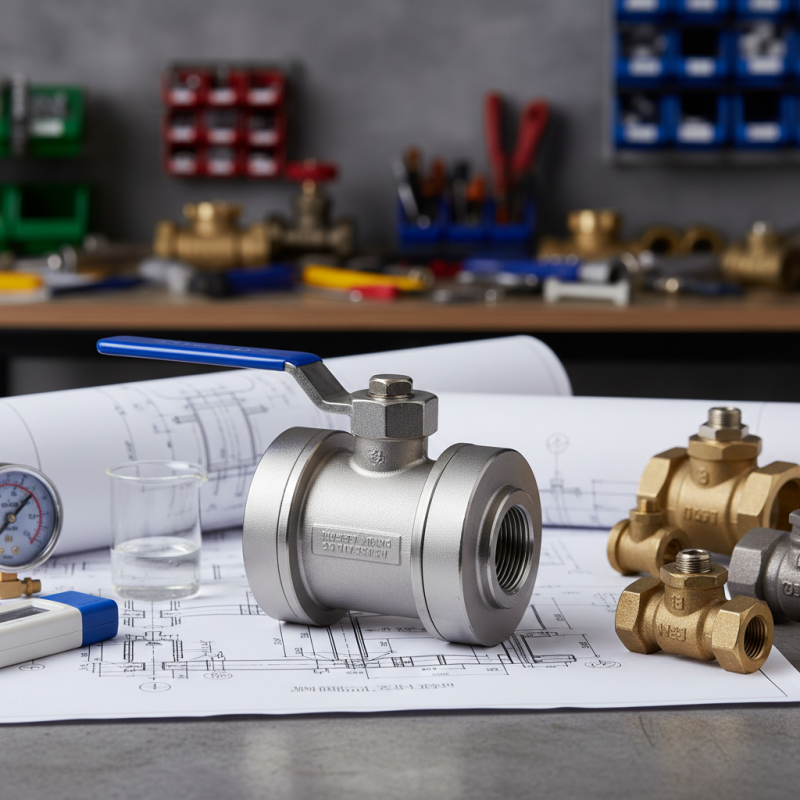
Ball valves are essential components in various plumbing systems. They are designed to control the flow of liquids or gases with precision. This functionality makes them popular in different industries, from water supply to oil and gas. The core element of a ball valve is its spherical disc. When turned, it either blocks or allows flow. This simple yet effective mechanism ensures minimal resistance and a tight seal.
Understanding the construction of ball valves is crucial. The durable materials used can withstand high pressures and temperatures. However, not all ball valves are created equal. Some may wear out quickly, especially in harsh environments. It's crucial to evaluate the right specifications for your project.
While ball valves offer reliability, they may require regular maintenance. Users should be aware of potential issues like stem leakage or difficulty in operation. Choosing the right valve for a specific application can mitigate these problems. Investing time in understanding your needs can lead to better outcomes.
Key Advantages of Using Ball Valves in Various Applications
Ball valves have grown in popularity across various industries due to their unique advantages. They are simple to operate. A quarter turn is all it takes to open or close the valve. This feature allows for quick shut-off, making them ideal for emergency situations. The design also minimizes the risk of leaks. With a tight seal, these valves ensure that no fluid escapes, maintaining safety and efficiency.
In terms of durability, ball valves excel in harsh conditions. They can handle high pressure and temperature variations without fail. Many industries, such as oil and gas, rely on them for their robust performance. However, proper installation is crucial. Misalignment can hinder their functionality and lead to failures. Regular maintenance checks help ensure they operate effectively.
Another notable feature is their versatility. Ball valves are suitable for liquids, gases, and slurries. This adaptability makes them beneficial in many applications. From water supply systems to chemical processing, they fit seamlessly into diverse scenarios. Yet, it’s essential to choose the right type of ball valve for specific needs. Understanding the intended application can enhance performance and longevity.
Why Choose a Ball Valve for Your Next Project? - Key Advantages of Using Ball Valves in Various Applications
| Advantage |
Description |
Applications |
Material |
| Quick Operation |
Ball valves can be opened or closed quickly with a quarter turn operation. |
Water Supply, Oil & Gas, Chemical Processing |
Brass, Stainless Steel, PVC |
| Minimal Pressure Drop |
Offers low resistance to flow, resulting in minimal pressure loss. |
HVAC Systems, Water Treatment |
Stainless Steel, Carbon Steel |
| Durability |
Robust design ensures a long service life, suitable for high-pressure applications. |
Oil & Gas, Petrochemical |
Bronze, Steel |
| Versatility |
Can handle a variety of media, from gas to liquids and slurries. |
Mining, Agriculture |
Plastic, Stainless Steel |
| Tight Sealing |
Provides a secure seal to prevent leakage, even under pressure. |
Chemical Processing, Water Supply |
PTFE, Stainless Steel |
Comparing Ball Valves with Other Valve Types: A Comprehensive Overview
When selecting valves for your next project, comparing ball valves with other types is crucial. Ball valves are known for their durability and reliability. They have a simple design, which allows for easy maintenance. You can use them in various applications, from industrial to residential.
In contrast, gate valves can be prone to leakage. They require more force to operate, making them less efficient in many situations. Butterfly valves can be more compact, but they do not offer the same tight seal. This can lead to flow issues in critical systems. It’s essential to consider these differences when making a decision.
While ball valves excel in many areas, they are not without flaws. They may not perform well in high-pressure scenarios with heavy solids. The seat material can wear over time, so proper material selection is key to their longevity. Understanding the specific conditions of your project can prevent future problems. Investing time to evaluate your valve options can lead to better performance and reliability.
Material Options for Ball Valves: Selecting the Right Choice for Your Needs
When selecting a ball valve, material choice is crucial. Different materials offer distinct advantages and limitations. For instance, stainless steel provides excellent corrosion resistance. However, it may not be suitable for highly acidic environments. Plastic ball valves are lightweight and cost-effective, but they might not withstand high temperatures.
Tips: Always consider the working environment. If the valve will face extreme conditions, choose materials accordingly.
Another option is brass, which is durable and can handle moderate temperatures. Yet, it can corrode in harsh chemical conditions. Understanding the properties of these materials will lead to better decision-making.
Tips: Consult with experts to assess specific conditions. Their insights can help avoid costly mistakes in your project. The right choice guarantees reliability and longevity in valve performance.
Best Practices for Installing and Maintaining Ball Valves in Projects
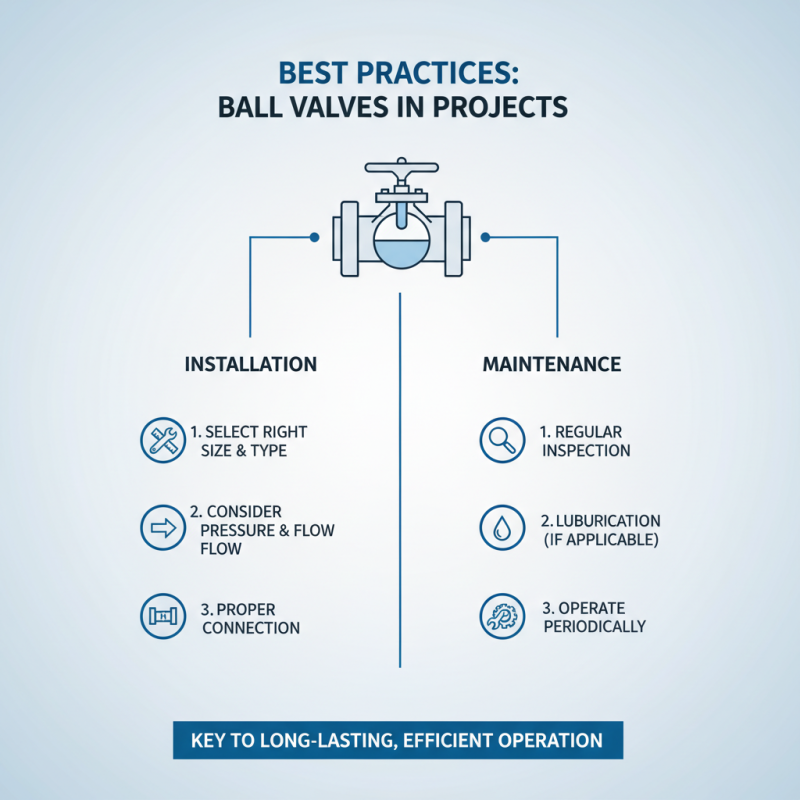
When considering ball valves for your project, installation and maintenance are key. Proper installation ensures a long-lasting, efficient operation. Start by selecting the right size and type for your system. This choice affects pressure handling and flow rates significantly.
During installation, ensure that all connections are secure. Misalignment can lead to leaks or failure. Use proper tools to tighten fittings, but avoid over-tightening, which can damage components. Watch for potential flaws in the valve body or seals. A thorough visual inspection can save time in the long run.
Maintenance is equally crucial. Regularly check for signs of wear or leakage. A slight drip can indicate a larger issue. Cleaning the valve periodically helps to prevent buildup that can affect performance. Always have backup parts on hand. It’s wise to plan for replacements in advance, reducing potential downtime.
Tip: Document any changes made during installations or repairs. This creates a maintenance history, which aids future troubleshooting. Furthermore, engage your team in discussions about common pitfalls. Open dialogue fosters awareness and can lead to improved practices overall.