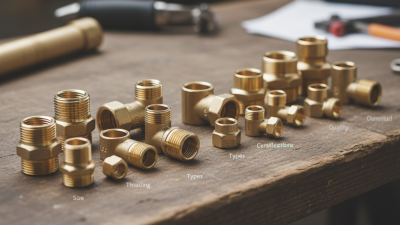
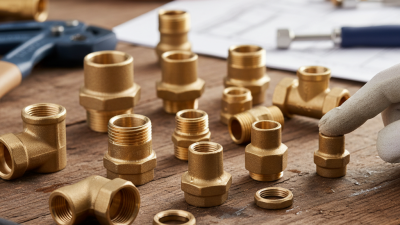
Why Choose Brass Fittings for Your Plumbing Needs?
When it comes to plumbing, choosing the right materials is crucial. Brass fittings stand out for their durability and reliability. Renowned plumbing expert John Anderson states, "Brass fittings are not only resilient but also provide long-lasting performance in any plumbing system." This credibility reinforces the choice of brass fittings.
Brass fittings resist corrosion, making them ideal for various conditions. They can handle high temperatures and pressures, ensuring safety and efficiency. This versatility leads many professionals to prefer them over plastic or other metal options. Yet, it's vital to consider factors like cost and application. Some may find brass fittings more expensive upfront, but the long-term benefits often outweigh these concerns.
In plumbing, the decision should not be taken lightly. Mistakes can lead to costly repairs. Understanding the strengths and weaknesses of materials is vital. Choosing brass fittings reflects a commitment to quality. It’s a decision that requires thoughtful consideration, expertise, and an eye for durable solutions.
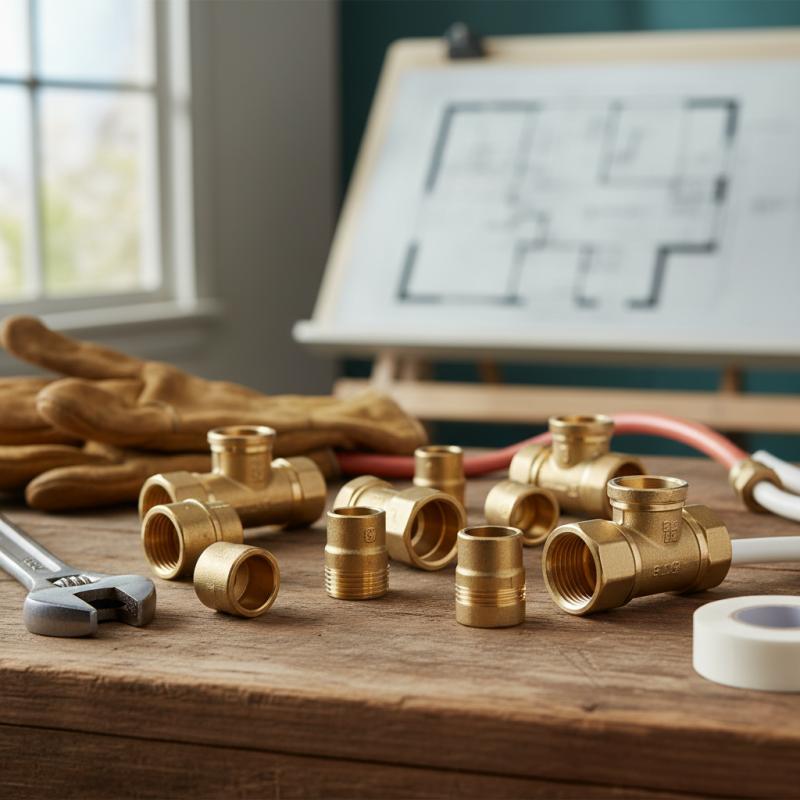
Benefits of Using Brass Fittings in Plumbing Applications
Brass fittings have gained popularity in plumbing for several key reasons. These fittings are known for their durability and resistance to corrosion. Studies show that brass can last over 50 years in plumbing applications. This long lifespan makes it a cost-effective choice for many homeowners and contractors.
Moreover, brass fittings are often used for their excellent heat conducting properties. This makes them ideal for both hot and cold water systems. According to a report from the Plumbing Manufacturers International, brass fittings maintain a strong seal under higher pressures compared to plastic alternatives. However, not all brass fittings are created equal. The varying quality can affect performance, which is something to consider for specific plumbing needs.
One potential drawback is the initial cost. Brass fittings tend to be pricier than their plastic counterparts. Yet, investing upfront can save money in repairs and replacements down the line. Some might also worry about the environmental impact of using brass, though advances in production have made many processes more sustainable. It’s crucial to weigh these factors when selecting materials for plumbing applications.
Why Choose Brass Fittings for Your Plumbing Needs?
| Benefit |
Description |
| Durability |
Brass fittings are highly resistant to corrosion and wear, making them ideal for long-lasting plumbing solutions. |
| Versatility |
They are suitable for a wide range of applications, including water, gas, and steam systems. |
| Ease of Installation |
Brass fittings are easy to connect and often come with standard sizes that fit existing plumbing systems. |
| Heat Resistance |
They can withstand high temperatures, which is crucial for hot water plumbing. |
| Aesthetic Appeal |
Brass fittings have a bright, attractive finish that adds to the overall look of any plumbing installation. |
Corrosion Resistance: Why Brass Outperforms Other Materials
When selecting fittings for plumbing, corrosion resistance is critical. Brass fittings outperform materials like steel and plastic in this area. According to a report from the Copper Development Association, brass has a corrosion resistance that is ten times better than that of steel. This makes brass a reliable choice for long-term plumbing applications.
Brass is an alloy of copper and zinc, which contributes to its durability. The copper content helps inhibit corrosion, providing longevity in wet environments. In fact, brass fittings are less likely to corrode in acidic or alkaline conditions compared to other materials. Thus, they are commonly recommended for both residential and commercial plumbing systems.
Tip: Always consider the specific environmental conditions for your plumbing. If you live in an area with high humidity, brass fittings are likely your best choice.
Another notable aspect is the ease of installation. Brass fittings are generally more malleable than others, allowing for better adjustments. However, they can be more expensive upfront. The investment pays off through reduced maintenance and replacement costs. While they can tarnish over time, this can be managed with simple maintenance.
Tip: Regular checks and cleaning can extend the life of brass plumbing fittings. This proactive approach reduces the risk of unexpected failures.
Durability and Longevity of Brass Fittings in Plumbing Systems
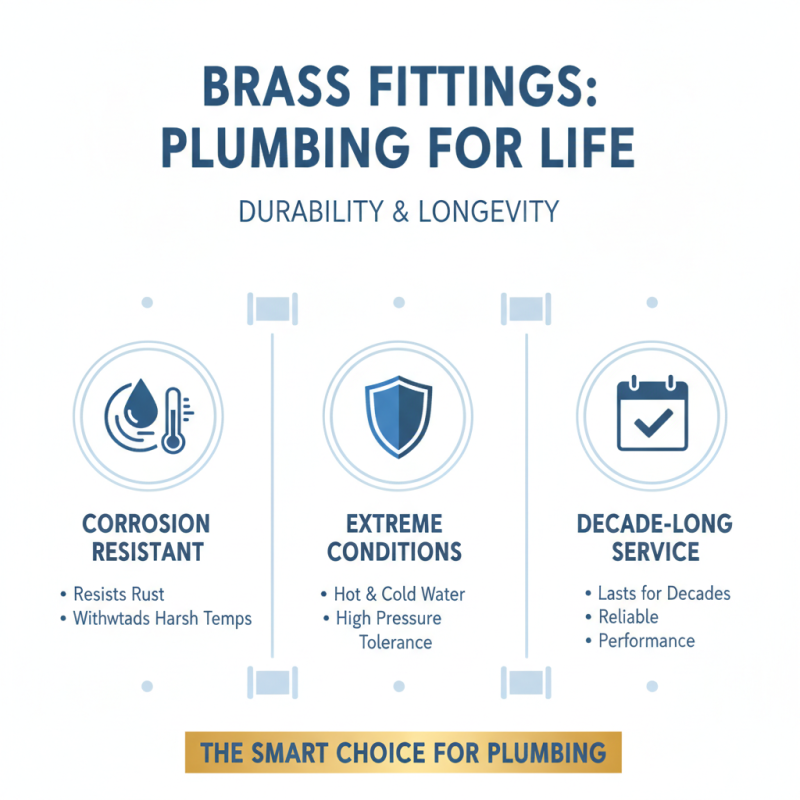
Brass fittings are popular in plumbing for their durability and longevity. When installed correctly, they can last for decades. The durability of brass stems from its resistance to corrosion. Unlike many other materials, brass can withstand harsh temperatures and pressures. This makes it ideal for both hot and cold water systems.
Additionally, brass fittings require less maintenance than others. While plastic fittings can become brittle over time, brass tends to remain strong and reliable. However, even brass can tarnish, which some may find aesthetically unpleasing. Regular cleaning can help maintain its shine and functionality.
Choosing brass also means considering its ability to resist leaks. Leaks are not just a nuisance; they can cause significant water damage. Over time, a small leak can lead to major repairs. While no material is perfect, brass offers a good balance of reliability and strength. Selecting the right fittings for your plumbing needs directly impacts the system's long-term performance.
Cost-Effectiveness of Brass Fittings for Homeowners
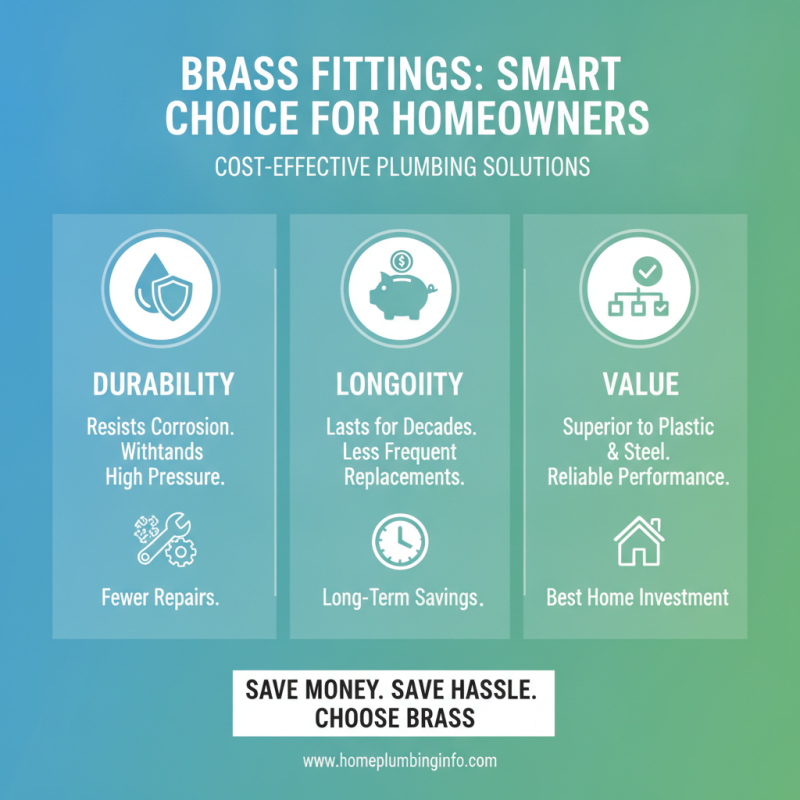
When homeowners consider plumbing options, cost-effectiveness plays a crucial role. Brass fittings, known for their durability and longevity, often provide the best value. Unlike plastic or steel, brass fittings resist corrosion and withstand high pressure. This quality can mean fewer repairs and replacements, ultimately saving money.
The initial investment in brass fittings may be higher than other materials. However, the reduced need for maintenance makes them a wise choice. Over time, owners could find themselves spending less on upkeep and replacements. This long-term savings can outweigh the initial costs. Additionally, brass fittings can enhance the overall aesthetic of plumbing systems, offering a polished look that homeowners appreciate.
Some may feel hesitant about the upfront cost. It is essential to consider what you prioritize: short-term savings or long-term reliability. Many opt for cheaper alternatives, only to deal with leaks and replacements later. Brass fittings could see you through many years without significant issues, making them a pragmatic investment for plumbing needs.
Easy Installation and Maintenance of Brass Plumbing Components
Brass fittings are a popular choice for plumbing due to their easy installation and maintenance. When you work with brass components, you'll notice their lightweight yet sturdy design. These qualities make them user-friendly, especially for DIY projects. You simply screw them into place, making them ideal for quick repairs.
Maintenance is straightforward as well. Brass has natural resistance to corrosion, so you won't face frequent leaks. However, it’s important to regularly check for issues. Some homeowners may overlook minor signs of wear. Paying attention to these details can save you from more significant problems later on.
Brass fittings also allow for flexibility. They can be used in a variety of plumbing systems, accommodating different shapes and sizes. But remember, not all fittings are created equal. Some may require specific tools for the best results. A little research can guide you in the right direction. Taking a moment to understand your needs can lead to better choices and fewer headaches down the line.