How to Choose Brass Fittings for Your Next Project?
Choosing the right brass fittings for your next project can seem daunting. Brass fittings are widely used in plumbing, HVAC, and various industrial applications. They provide durability and corrosion resistance, making them a popular choice. There are many options available, and it's essential to consider several factors before making a decision.
When selecting brass fittings, think about the specific requirements of your project. The size, thread type, and pressure rating are crucial details. Sometimes, people overlook these aspects, leading to compatibility issues later. Additionally, not all brass is created equal; there are various qualities and compositions. It's important to know what fits your needs best.
Experience and expertise can greatly influence your choice. Consulting with professionals or reliable sources can provide insights that enhance decision-making. Reflect on your previous projects and the materials used; this can help you avoid repeating mistakes. Ultimately, making a well-informed choice can save time and money, ensuring a successful outcome for your project.
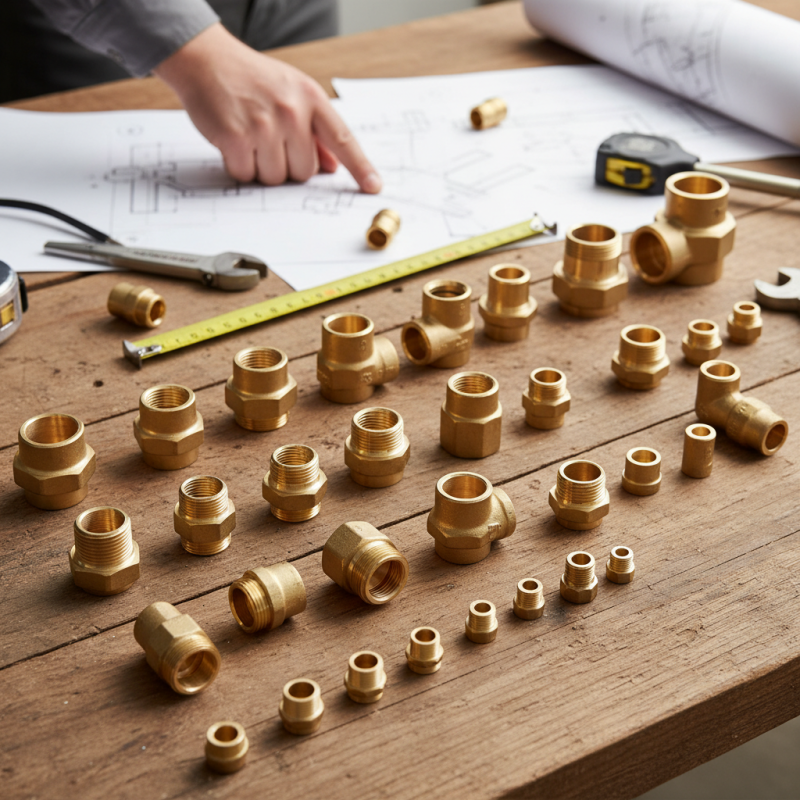
Understanding the Different Types of Brass Used in Fittings
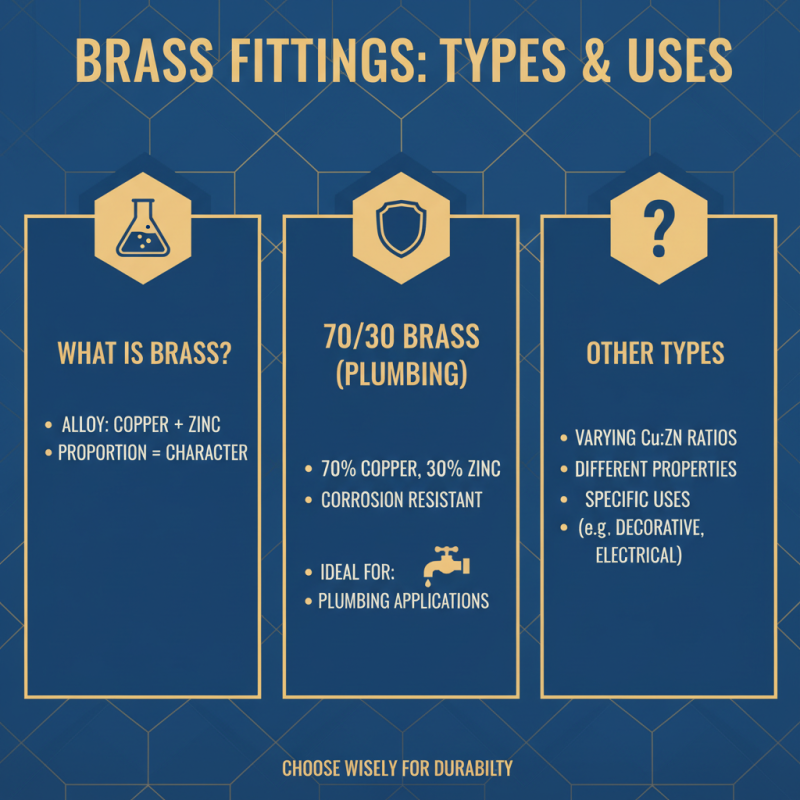
When choosing brass fittings, understanding the types of brass is essential. Brass is an alloy primarily made of copper and zinc. The proportion of these metals defines its characteristics. For instance, 70/30 brass contains 70% copper. This type offers excellent strength and corrosion resistance, making it ideal for plumbing applications.
Another common type is 60/40 brass. This variant includes 60% copper and provides good machinability. While it is less expensive than 70/30 brass, you may question its durability. It’s crucial to balance cost against the project's long-term reliability. Lastly, consider the application of the fittings. Different environments may require different brass types. In high-corrosion areas, you need a robust alloy to ensure longevity.
Remember that brass fittings can vary significantly in quality. Not all manufacturers produce to the same standards. Some fittings may corrode or deform over time. Researching the source of your fittings ensures reliability. Be cautious and selective in your choices. This careful attention to detail can save money and avoid future issues.
Key Specifications and Standards for Brass Fittings Selection
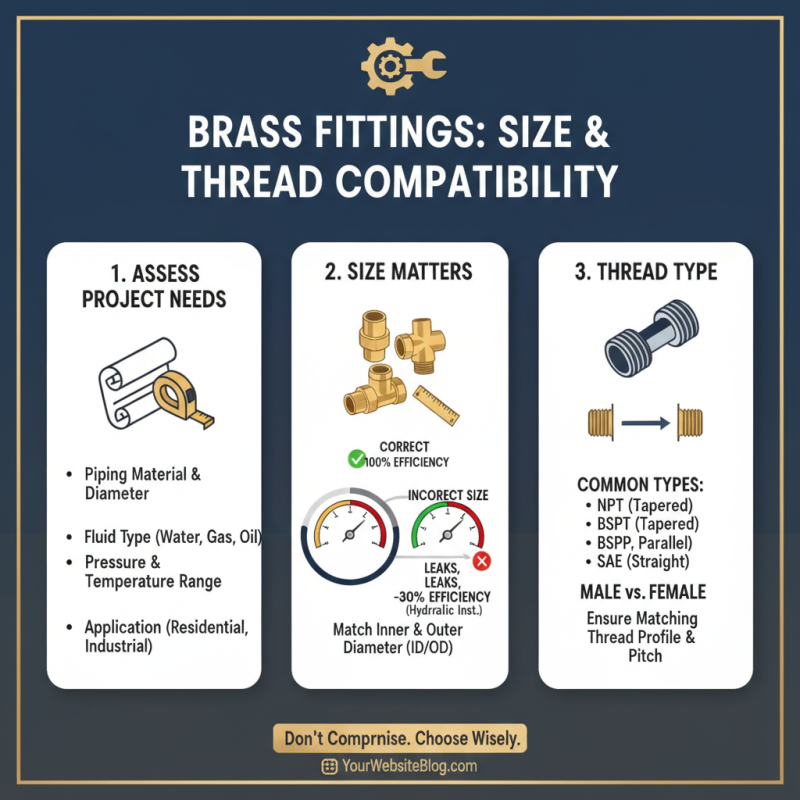
When selecting brass fittings, understanding key specifications is crucial. First, consider the size and dimensions. Ensure that the fittings match the pipe measurements precisely. A small discrepancy can lead to leaks or connection issues. Pay attention to the thread type as well. Common types include NPT and BSPT, each serving different applications. Knowing the thread specifications helps prevent installation failures.
Material composition is another important factor. The most common brass is composed of copper and zinc. However, some variations include lead for added strength. Always check the lead content, as regulations are strict. Choosing low-lead or lead-free options can enhance safety and compliance.
Pressure ratings are also essential in your selection process. Different applications require fittings that can withstand varied levels of pressure. Make sure to match the fitting's rating with your project's needs. Sometimes, fittings may not perform as anticipated under specific conditions. Testing under real-world scenarios can reveal potential weaknesses. Proper research and careful selection reduce the risks of failure in the long run.
Brass Fittings Specifications Comparison
Factors Affecting Brass Fittings' Durability and Corrosion Resistance
When choosing brass fittings, durability and corrosion resistance are vital factors. The alloy composition of brass significantly impacts its performance in various environments. Typically, brass combines copper and zinc, but varying the ratio alters its properties. High zinc content can enhance strength but may reduce corrosion resistance. Understanding these aspects is essential when selecting fittings for plumbing or outdoor projects.
Environmental factors play a crucial role in the longevity of brass fittings. Exposure to moisture, chemicals, and extreme temperatures can accelerate wear. For instance, fittings in coastal areas face harsher conditions due to saltwater. Regular maintenance is necessary to ensure optimal performance. Observing signs of corrosion, like discoloration, can signal a need for replacement. Choosing the right coating can also boost corrosion resistance, but this requires expert knowledge. Misjudging this can lead to unnecessary failures.
Brass fittings need careful thought before use. Not all fittings are equal; some may corrode quickly in certain situations. We should consider the specific use case and environmental impacts. Thoughtful selection based on these factors can lead to better longevity and performance. Choosing the right valve can make a difference over time. Sometimes, the most visible solutions might not always be the best. Reflection on past projects may lead to better choices in the future.
How to Choose Brass Fittings for Your Next Project? - Factors Affecting Brass Fittings' Durability and Corrosion Resistance
| Factor |
Description |
Impact on Durability |
Corrosion Resistance |
| Material Composition |
The mixture of copper and zinc in brass, affecting strength. |
Higher zinc content can lead to brittleness. |
Composition influences resistance to oxidation. |
| Environmental Conditions |
Exposure to moisture and corrosive elements. |
High humidity can shorten lifespan. |
Corrosive environments accelerate deterioration. |
| Surface Finish |
Coatings or treatments applied to the brass. |
Improved finishes enhance lifespan. |
Finishes can significantly improve corrosion resistance. |
| Temperature Fluctuations |
Excessive heat or cold affects materials. |
Frequent changes can weaken fittings over time. |
Heat may accelerate oxidation processes. |
| Maintenance Practices |
Regular cleaning and inspection schedules. |
Preventative maintenance improves durability. |
Cleaning reduces corrosive buildup. |
Calculating the Right Size and Thread Type for Fittings Compatibility
Choosing the right brass fittings for your project involves careful consideration of size and thread type. Understanding these factors ensures compatibility with existing piping and fixtures. A report by the Hydraulic Institute states that incorrect fitting sizes can lead to leaks, reducing system efficiency by up to 30%. Thoroughly assess your project requirements before making a decision.
It’s essential to measure the diameter and length of the fittings. Common sizes range from 1/8 inch to 2 inches. Thread types vary, mainly between NPT (National Pipe Thread) and BSP (British Standard Pipe). Each type serves specific applications. Using the wrong thread type can create a mismatch, resulting in joint failure.
Tips: Always double-check your measurements. Consider the pressure and temperature that will flow through the fittings. A small oversight can lead to significant issues down the line. Additionally, consult industry guidelines for material compatibility with your system. Fittings may vary in thickness and material properties, affecting performance. Understanding these nuances is crucial for successful installations.
Applications of Brass Fittings in Various Industries and Their Benefits
Brass fittings find vital applications in various industries, including plumbing, automotive, and HVAC systems. Their durability and resistance to corrosion make them a preferred choice for many projects. In plumbing, brass fittings connect pipes securely, ensuring that water flow remains uninterrupted. In automotive applications, they provide reliable connections, enhancing the efficiency of cooling systems.
Tips: Consider the specific pressure requirements of your system when selecting brass fittings. Not all fittings can handle high pressure. Always check compatibility with other materials to prevent leaks. Matching the fittings with existing pipes is crucial.
In HVAC systems, brass fittings act as connectors for refrigerant lines. Their ability to withstand fluctuating temperatures is critical in maintaining system efficiency. Industrial use also benefits from brass fittings, especially in high-pressure environments. However, one must be meticulous in installation. Improper fittings can lead to system failures.
Tips: Regularly inspect brass fittings for signs of wear. Replace any that show damage. Understand that brass can react with specific chemicals, leading to degradation over time. Proper maintenance extends their lifespan significantly.