How to Choose the Best Compression Fittings for Your Needs?
Choosing the right compression fittings is essential in various industries, including plumbing, HVAC, and manufacturing. A recent report from the Compression Fittings Manufacturers Association indicates that more than 70% of leaks in industrial applications result from improperly selected fittings. This statistic highlights the importance of making informed choices.
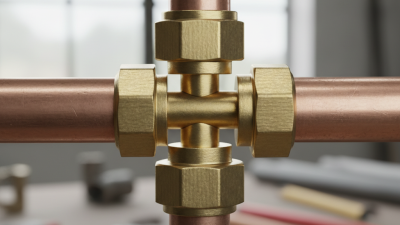
Compression fittings serve as vital components, ensuring leak-proof connections in systems that handle gases and liquids. The materials used, design, and compatibility affect their performance significantly. Understanding these factors can lead to enhanced system integrity and efficiency. For instance, brass fittings are ideal for water systems, while stainless steel is preferred for corrosive environments.
Despite the available knowledge, many still struggle with choosing the best options for their needs. Confusion about sizing and material specifications often occurs. Some selections end up causing failures, leading to costly repairs. Therefore, investing time in research and consultation can prevent these issues and improve overall project outcomes.
Understanding Compression Fittings: Types and Applications
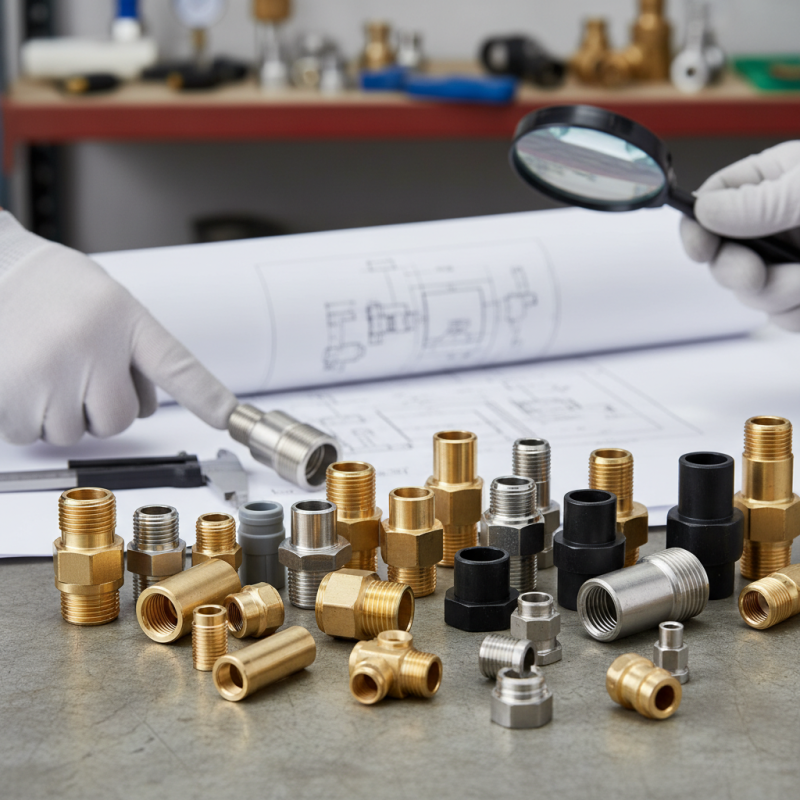
Compression fittings are essential components in various plumbing and connection applications. They create leak-proof seals, making them ideal for gas and fluid transport. Understanding the types and applications of compression fittings helps ensure you choose wisely.
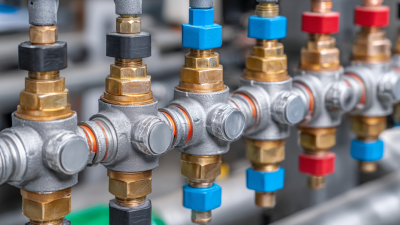
There are several types of compression fittings, including brass, plastic, and stainless steel. Brass fittings are known for their durability and resistance to corrosion, while plastic fittings are lightweight and resistant to certain chemicals. According to industry reports, brass fittings represent about 60% of the market due to their broad applications in plumbing systems. Stainless steel fittings are typically used in high-pressure environments, where strength matters.
Selecting the right compression fitting is crucial. For instance, improper fitting can lead to leaks, compromising safety and efficiency. It’s recommended to check compatibility with the pipes used. Some applications might require specific materials, especially in healthcare or food industries. An often-overlooked aspect is the fitting size. A mismatch can cause severe issues, impacting operations. Regular inspections of existing fittings also help identify wear and ensure ongoing reliability.
Types of Compression Fittings and Their Applications
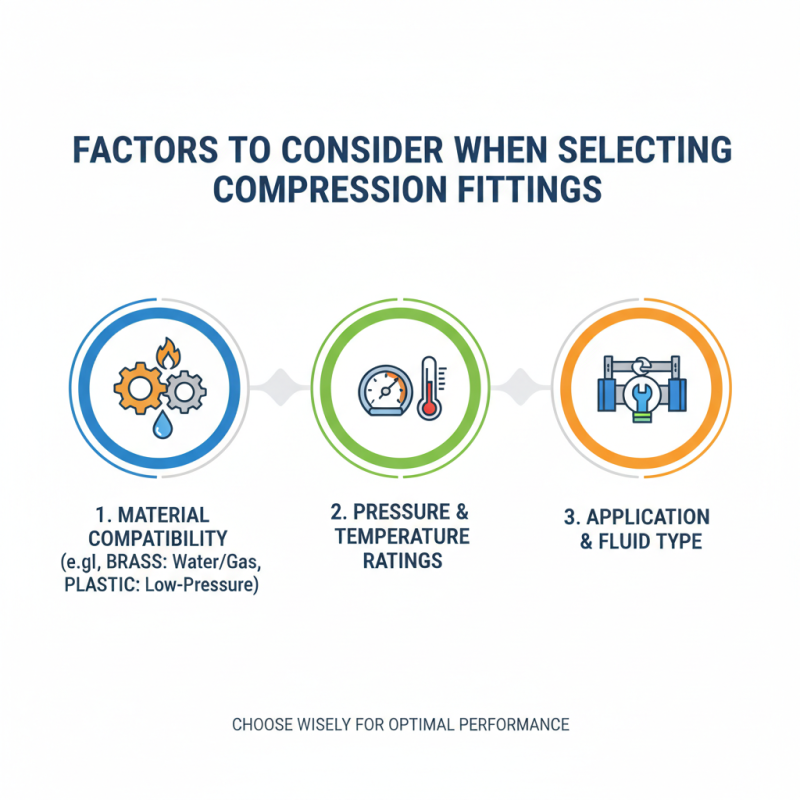
Factors to Consider When Selecting Compression Fittings
When selecting compression fittings, various factors come into play. Understanding these factors ensures you choose the best options for your needs. Material compatibility is crucial. Different materials react differently under pressure and temperature. For instance, brass is good for water and gas, while plastic suits lower-pressure applications.
Tips: Always check the fitting materials against your piping system for safety. A mismatch can lead to leaks or failure.
Next, consider the size and fit. Measurements must be accurate. Too tight can cause stress and cracking, while too loose creates leaks. Take careful measurements of your pipes before purchase. If you're unsure, consult with a professional.
Another point is the pressure rating of the fittings. Each fitting comes with a specified pressure capacity. Exceeding this can lead to dangerous situations. Research the required ratings for your project to ensure reliability.
Tips: If you're not experienced, seek expert advice. A small mistake in choosing fittings can lead to significant setbacks. Trust in preferred practices to avoid issues down the line.
Material Compatibility: Ensuring Longevity and Performance
When selecting compression fittings, material compatibility is crucial. The right materials ensure longevity and optimal performance. Choosing materials that can withstand the specific working conditions of your application is key. For example, certain metals resist corrosion better than others. Plastic fittings might be ideal for less demanding environments.
Consider the environment where the fittings will operate. High temperatures and chemicals can degrade some materials. This mismatch may lead to leaks and failures. Metal fittings often excel under extreme pressure. However, they can be heavier and more challenging to install.
It’s important to reflect on past experiences. Did a previous fitting fail due to material incompatibility? These lessons guide future choices. Assessing material properties can help avoid costly mistakes. Evaluate your needs and the environment diligently. Making informed choices enhances system resilience and reliability.
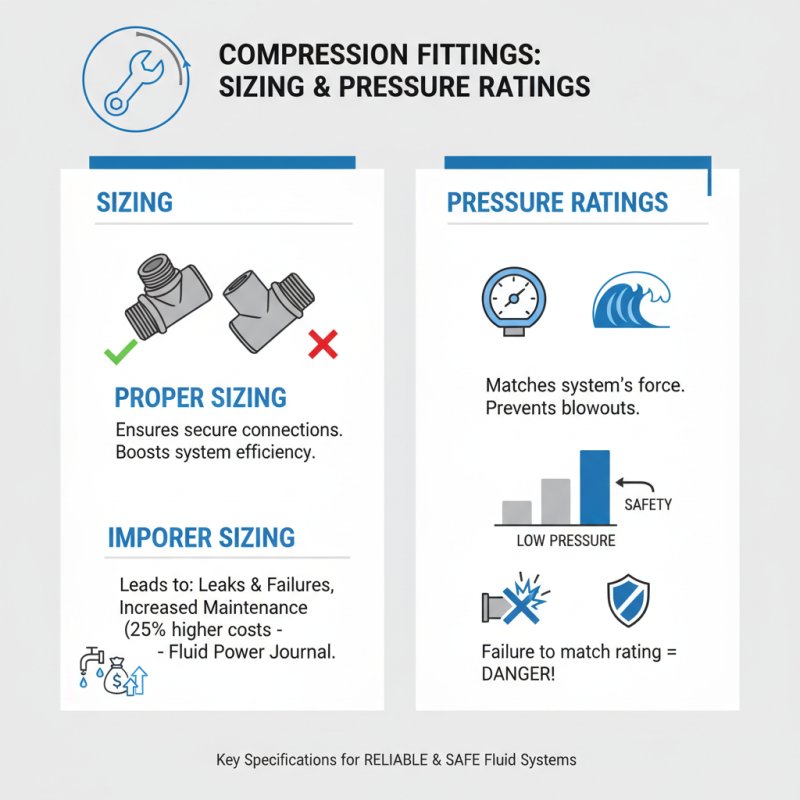
Sizing and Pressure Ratings: Key Specifications to Evaluate
Choosing the right compression fittings requires careful consideration of sizing and pressure ratings. These specifications directly impact system efficiency and safety. For example, according to the Fluid Power Journal, improper sizing can lead to leaks or failures, which may increase maintenance costs by 25%.
When evaluating sizing, ensure that the fitting matches the pipe diameter and wall thickness. A fitting too small can restrict flow, while one that's too large may not secure the joint effectively. Furthermore, pressure ratings are crucial. In high-pressure systems, using fittings rated for lower pressures can result in catastrophic failures. The American Society of Mechanical Engineers (ASME) suggests selecting fittings with pressure ratings exceeding the system's maximum operating pressure by at least 25%.
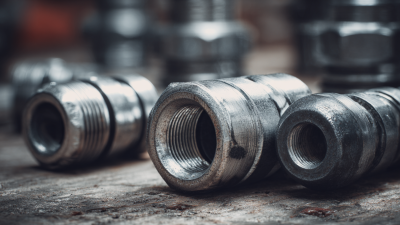
It’s important to inspect the materials used in compression fittings. Corrosive substances in the environment can degrade materials over time. The Manufacturing Institute notes that 70% of fitting failures stem from corrosion-related issues. Regular audits of fittings can help prevent these failures. Always keep in mind that proper installation techniques play a role in performance and longevity as well.
Installation Techniques for Optimal Performance and Safety
When installing compression fittings, proper techniques ensure optimal performance and safety. Start by selecting the appropriate fitting for your specific application. According to industry reports, 30% of failures in piping systems are due to improper installation. This emphasizes the need for careful attention to detail during setup.
Before tightening, inspect the fitting and the pipe ends for cleanliness. Any debris can compromise the seal. Ensure the fitting aligns correctly with minimal stress. Over-tightening can lead to deformation. Studies show that misaligned fittings increase leak risks by up to 25%.
After installation, conduct a thorough pressure test. This step is crucial in identifying leaks early. Remember that routine maintenance also plays a role. Experts recommend checking compression fittings regularly to withstand various environmental factors. It’s not uncommon to overlook wear; however, being vigilant can significantly enhance safety and extend the system's lifespan. Endeavor to document your installation processes. Continuous learning from each experience is vital for improvement.
How to Choose the Best Compression Fittings for Your Needs? - Installation Techniques for Optimal Performance and Safety
| Fitting Type |
Material |
Pressure Rating (PSI) |
Temperature Rating (°F) |
Pipe Size Compatibility (inches) |
Application Area |
| Compression Elbow |
Brass |
150 |
200 |
1/2, 3/4 |
Water Supply |
| Compression Tee |
Stainless Steel |
300 |
250 |
1, 1-1/4 |
Gas Distribution |
| Compression Coupling |
Plastic |
100 |
180 |
3/4, 1 |
Irrigation |
| Compression Cap |
Brass |
150 |
200 |
1/2 |
Plumbing |