10 Essential Tips for Using Press Fittings Effectively?
Press fittings are increasingly popular in plumbing and HVAC applications. They offer quick installation and durable connections. However, using press fittings effectively requires a solid understanding of best practices. This guide provides essential tips to ensure reliable connections and long-lasting performance.
Many professionals may overlook the importance of proper preparation. Ensuring clean and dry surfaces is crucial for a strong bond. Additionally, knowing the correct pressure settings can significantly impact the outcome. Some users may underestimate how vital it is to consult manufacturer specifications. Each type of press fitting may have unique requirements.
Understanding the limitations of press fittings is also crucial. Improper use might lead to leaks or system failures. Regular inspections and maintenance are necessary to identify potential issues early. While press fittings simplify assembly, it’s essential not to skip any steps in the process. A thoughtful approach helps derive the best results.

Understanding Press Fittings: Definition and Application in Plumbing
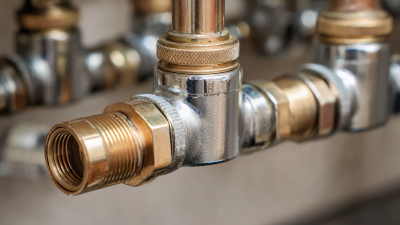
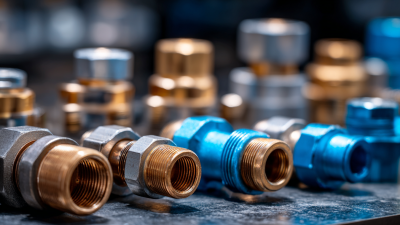
Press fittings are revolutionizing plumbing. They simplify the joining of pipes, ensuring leak-free connections. These fittings are often made from copper, stainless steel, or carbon steel. Their design allows for a secure connection without the need for welding or soldering. This reduces installation time and enhances overall efficiency.
Tips for effective use of press fittings include ensuring correct alignment. Misaligned fittings can lead to future leaks. Perform regular checks for pressure and flow. A slight oversight in pressure levels can compromise the system. Additionally, familiarize yourself with the specific requirements of different materials. Each type of fitting has unique specifications.
Always prioritize safety during installation. Incorrect usage can lead to injuries or property damage. Maintain your tools to ensure precise cuts and connections. Effective sealing requires clean surfaces. Dirt or debris can lead to weak joints. Finally, keep updated with industry standards. This knowledge helps improve reliability in your plumbing projects.
10 Essential Tips for Using Press Fittings Effectively
| Tip Number |
Tip Description |
Benefits |
| 1 |
Choose the Right Size of Fittings |
Ensures proper flow and prevents leaks. |
| 2 |
Use Appropriate Tools |
Fitting integrity and safety. |
| 3 |
Ensure Cleanliness of Pipes and Fittings |
Minimizes contamination and enhances joint strength. |
| 4 |
Follow Manufacturer Instructions |
Maximizes performance and longevity of fittings. |
| 5 |
Test for Leaks Post-Installation |
Ensures system reliability and safety. |
| 6 |
Consider Environmental Conditions |
Prevents damage from extreme temperatures. |
| 7 |
Utilize Proper Sealing Techniques |
Enhances durability and prevents leaks. |
| 8 |
Plan Your Layout Before Installation |
Saves time and reduces errors. |
| 9 |
Regular Maintenance Checks |
Extends the life of the plumbing system. |
| 10 |
Educate Your Team |
Improves overall installation efficiency. |
The Advantages of Using Press Fittings: Speed, Safety, and Reliability
Press fittings have gained popularity in plumbing and HVAC applications thanks to significant advantages like speed, safety, and reliability. According to a recent industry study, using press fittings can reduce installation time by up to 40% compared to traditional methods. This is largely due to the swift connection process, minimizing the need for soldering or threading.
When considering press fittings, safety is paramount. A report from the Plumbing and Heating Contractors Association states that installations using press fittings have a much lower risk of leaks and failures. This reliability translates into longer-lasting connections and less maintenance, which is crucial for HVAC systems that operate under constant pressure.
For effective use, ensure that tools are calibrated to the appropriate specifications. Improper tools can lead to weak joints. Additionally, always verify the compatibility of fittings with pipe materials to avoid issues. Remember, regular inspections are vital. Over time, even well-installed fittings may need checking for signs of wear or corrosion.
Key Industry Standards for Press Fitting Installation and Inspection
When it comes to press fitting installation, adhering to
industry standards is paramount. These standards ensure the integrity and safety of piping systems. Familiarizing yourself with the relevant codes can guide your work and enhance reliability. For example, ensure that all fittings meet the ASTM or ISO specifications, which dictate material quality and testing methods.
It's crucial to inspect the fittings before installation. Look for any visible damage or defects. Also, keep in mind that poor alignment can lead to significant issues down the line. A simple check can prevent potential leaks or failures.
Applying the right techniques during installation is essential. Avoid rushing the process; precision matters. Take time to properly deburr and clean the pipe ends. This helps achieve a better seal. Don't underestimate the importance of following the manufacturer's instructions. Sometimes, minor details can make a big difference. Prioritizing quality will always pay off in the long run.
Common Mistakes to Avoid When Using Press Fittings in Projects
When working with press fittings, it's crucial to identify and avoid common mistakes. One mistake is neglecting to clean the pipe surface thoroughly. Dirt and debris can compromise the seal, leading to leaks. Always ensure the joints are free from contaminants before pressing.
Another frequent error is misalignment of fittings during installation. This can result in improper connections that may fail over time. Take the time to align both ends accurately. Using a proper alignment tool can significantly enhance the overall outcome.
It's also important to consider the pressing technique. Ensure you use the correct amount of force. Pressing too lightly may lead to weak connections, while excessive force can damage the fittings. Finding a balance is essential for reliable performance.
Remember to double-check each connection after pressing. Even experienced professionals can overlook minor details. A simple inspection can save time and resources in the long run. Developing good habits during installation helps avoid pitfalls that can impact project success.
Maintenance Best Practices for Longevity of Press Fitting Connections
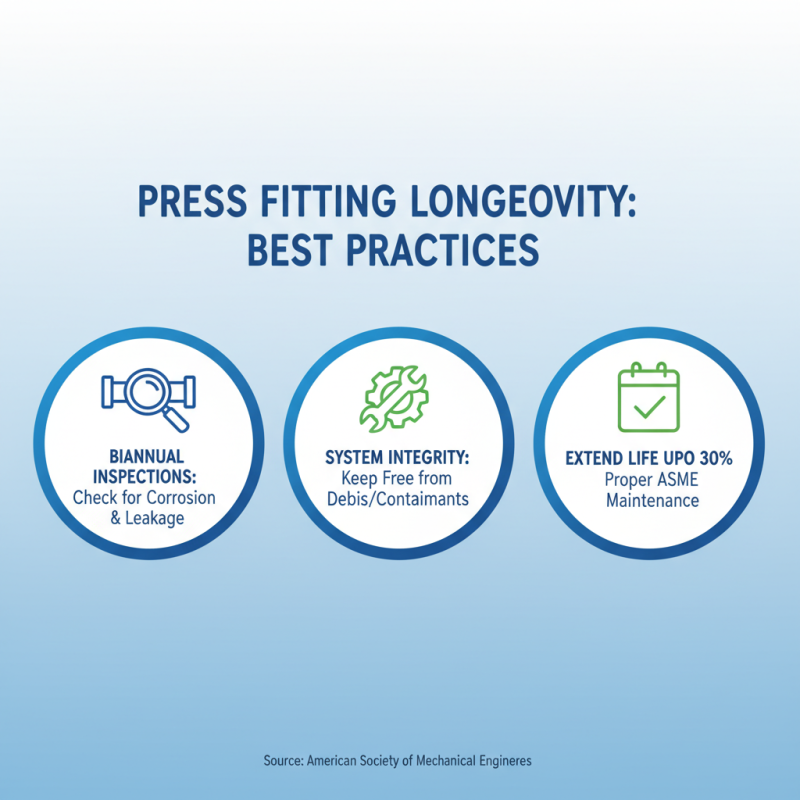
Maintaining press fittings is crucial for ensuring their longevity and effectiveness. Regular inspections can prevent latent issues. It's recommended to check for signs of corrosion or leakage at least biannually. According to the American Society of Mechanical Engineers, proper maintenance can extend the life of fittings by up to 30%. Ensure that the system is free from debris, as contaminants can compromise the integrity of the connection.
Temperature fluctuations can affect press fittings. The recommended operating temperature range is often between 32°F to 250°F. When the temperature exceeds limits, expansion occurs. This can lead to microfractures, reducing the fitting's effectiveness. Tools should be calibrated frequently to guarantee proper pressure during installation. Even slight miscalculations can create significant failures.
Documentation is another essential practice. Keeping records of maintenance schedules and inspections can provide insights into fitting performance over time. A study from the Plumbing-Heating-Cooling Contractors Association indicates that projects with systematic documentation see a 40% decrease in emergency repairs. While maintenance practices seem straightforward, overlooking details can lead to costly mistakes. Regular training sessions for staff can enhance awareness and effectiveness in maintaining press fittings.