What is Pvc Pipe Fittings and How to Choose Them?
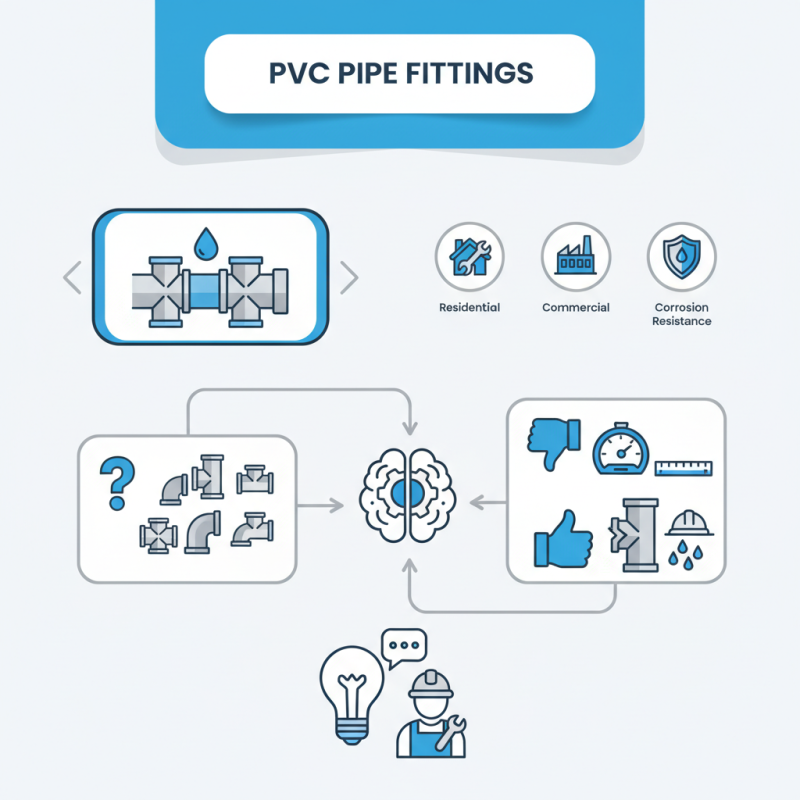
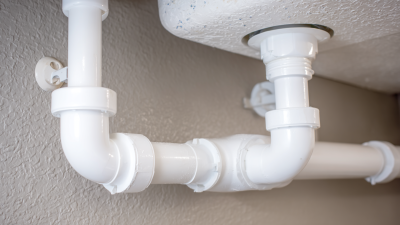
When it comes to plumbing, choosing the right components is vital. One essential element is PVC pipe fittings. These fittings connect different sections of piping, ensuring a watertight seal. Their durability and resistance to corrosion make them popular in both residential and commercial projects.
Selecting the proper PVC pipe fittings can be overwhelming. With various types available, it’s easy to feel lost. The dimensions, pressure ratings, and purposes differ widely among options. It's crucial to match fittings with your specific needs.
Understanding PVC pipe fittings is not just about choices. It's also about knowing the long-term implications of your choices. Poor selections can lead to leaks or even costly repairs. Expert guidance can help you make informed decisions, ensuring reliability and performance in your plumbing systems.
What Are PVC Pipe Fittings and Their Common Applications?
PVC pipe fittings are essential components in various plumbing and construction applications. These fittings are durable, lightweight, and resistant to corrosion. Their common uses include water supply systems, drainage, and irrigation setups. A report by the Global PVC Pipes Market indicates that demand for PVC fittings is projected to grow by over 5% annually through 2025. This highlights their vital role in infrastructure development and maintenance.
Selecting the right PVC pipe fittings can significantly affect system performance. Consider the pressure and temperature levels your project will encounter. For instance, standard PVC fittings handle pressures up to 150 psi at 73°F. However, specific applications may require higher-rated fittings. Always evaluate potential environmental factors, such as exposure to UV light or extreme temperatures, which can impact longevity.
Tip: When unsure about fitting types, consult professionals with industry experience. It’s essential to focus on quality rather than cost. Low-cost options may lead to frequent replacements, ultimately increasing expenses. Moreover, always verify the compatibility of fittings with pipe sizes to avoid leaks and ensure optimal flow.
Types of PVC Pipe Fittings: A Detailed Overview
PVC pipe fittings are essential components in plumbing and construction. They provide connections between pipes and facilitate changes in direction. Understanding the various types is crucial for selecting the right fitting for your project.
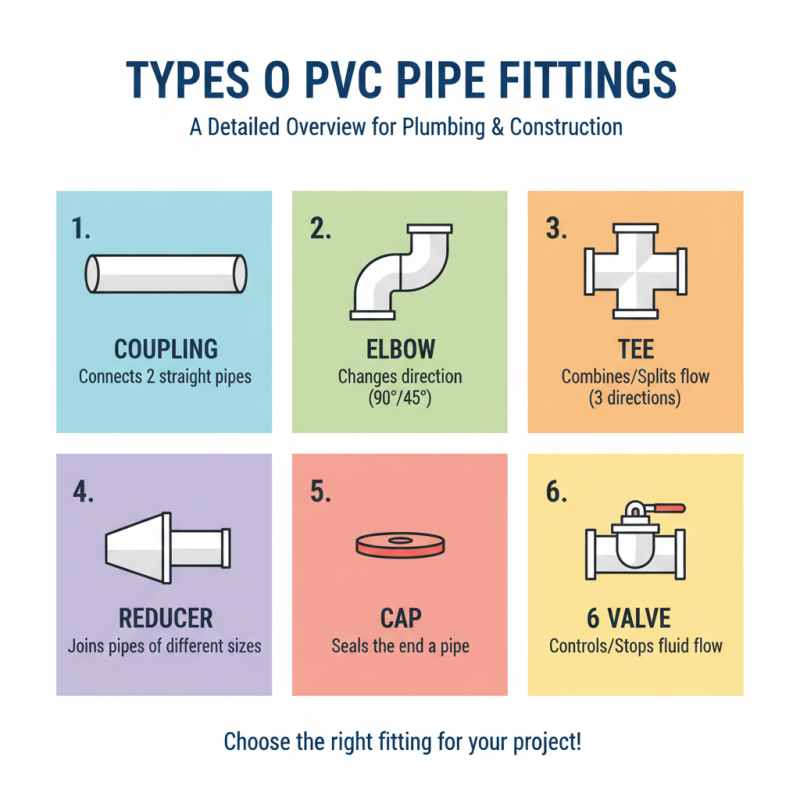
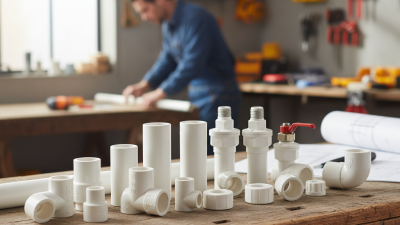
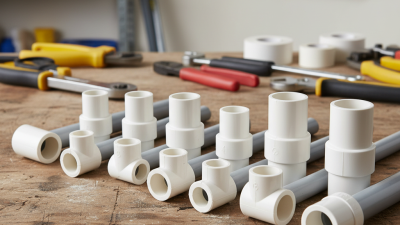
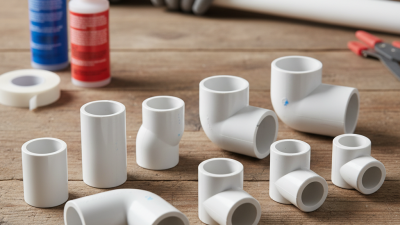
There are several types of PVC pipe fittings, including elbows, tees, and couplings. Elbows allow for 90 or 45-degree turns in pipes, making them important for navigating tight spaces. Tees connect three sections of pipes, enabling branching layouts. Couplings are simple connectors that join longer pipe sections, enhancing flow. Each type serves a specific purpose based on the layout needs, ensuring efficient water management.
Industry reports indicate that the demand for PVC fittings has increased by over 12% in recent years. This surge highlights their role in residential and commercial applications. However, it's vital to evaluate factors such as pressure ratings and compatibility with different pipe sizes. A common oversight is not accounting for thermal expansion, which can lead to leaks. The selection process requires careful thought to avoid costly mistakes.
Key Factors to Consider When Choosing PVC Pipe Fittings
When selecting PVC pipe fittings, it’s essential to assess various factors that can influence your project's success. Durability is a significant concern. PVC pipe fittings are frequently chosen for their corrosion resistance. According to a report by the Plastics Industry Association, PVC can last over 50 years under ideal conditions. This longevity makes it a preferred choice in plumbing and irrigation systems.
Another critical factor is compatibility. It’s vital to ensure that the fittings align with your piping system. Incompatibility can lead to leaks and total system failure. A study published in the Journal of Plastic Pipe Systems highlights that improper fittings account for nearly 30% of plumbing failures. Therefore, understanding dimensions, pressure ratings, and chemical compatibility is crucial.
Lastly, installation ease cannot be overlooked. Some fittings require specific tools or solvents. This can result in additional costs and time delays. It’s important to consider whether you’ll do it yourself or hire professionals. Weight and design also influence handling. A heavier fitting can be more cumbersome but might offer better strength. So, assessing your project's specifications closely is key for effective installation and maintenance.
Industry Standards and Specifications for PVC Pipe Fittings
When selecting PVC pipe fittings, understanding industry standards is crucial. The American Society for Testing and Materials (ASTM) provides guidelines that define the performance requirements for PVC fittings.
ASTM D1784 outlines the minimum properties of PVC materials used in pipe fittings. This standard emphasizes durability and chemical resistance, ensuring longevity in various applications.
Another important specification is NSF/ANSI 14, which focuses on the safety of drinking water. Products that meet this standard have undergone rigorous testing for potential contaminants. These standards help in assessing the reliability of fittings used in plumbing systems, irrigation, and more.
A comprehensive analysis shows that fittings made of high-quality PVC can withstand pressure ratings ranging from 80 to 150 psi. This is significant for construction projects where structural integrity is a primary concern. Keep in mind that not all products comply with these standards. Thoroughly investigating the certifications of any fittings is essential. This can prevent costly repairs or failures in the long run. Understanding these specifications equips professionals with the knowledge to choose reliable PVC pipe fittings for their projects.
Best Practices for Installing PVC Pipe Fittings and Ensuring Longevity
Installing PVC pipe fittings correctly is essential for a durable plumbing system. The first step involves proper preparation. Ensure all pipe ends are clean and free from debris. Use a fine-grit sandpaper to smooth the edges. This simple act can reduce leaks later.
When applying adhesive, follow guidelines carefully. A thick layer can lead to poor bonding. Instead, use a moderate amount and allow it to set as directed. Timing is crucial. Waiting too long might mean fittings won't adhere properly. Remember, precision matters in each step.
After installation, regularly inspect your fittings for any signs of wear or leaks. Early detection can save time and money. It's not uncommon for new installers to overlook minor issues. So, remain vigilant. Consider documenting any repairs for future reference. This practice encourages better maintenance and ensures your system remains reliable.