What is Stainless Steel Pipe Fittings Uses and Benefits?
Stainless Steel Pipe Fittings have become essential components in various industries. They offer durability, resistance to corrosion, and reliability. These fittings connect pipes, enabling fluid transfer in systems ranging from residential plumbing to complex industrial setups.
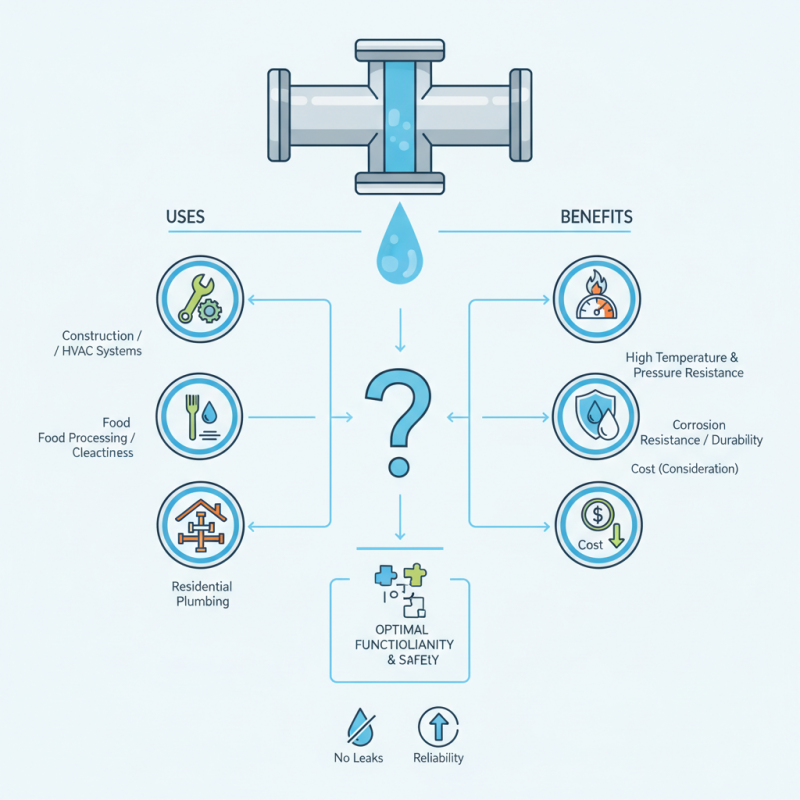
The uses of Stainless Steel Pipe Fittings are diverse. In construction, they ensure long-lasting connections in HVAC systems. In food processing, they maintain cleanliness and safety standards. However, choosing the right fitting requires careful consideration. Not all fittings meet every requirement, and mismatches can lead to leaks or system failures.
Understanding the benefits of Stainless Steel Pipe Fittings enhances decision-making. They resist high temperatures and pressures, making them suitable in demanding environments. Yet, their cost can be a barrier for some. Considering these factors is crucial for optimal functionality and safety in various applications.
Overview of Stainless Steel Pipe Fittings
Stainless steel pipe fittings are essential components in various industries. They connect pipes and facilitate fluid movement. Their durability is a major reason for usage. According to a recent market report from Grand View Research, the global stainless steel pipe fittings market is projected to reach approximately $10 billion by 2027. This growth highlights their significance in sectors such as construction, oil and gas, and automotive.
These fittings offer exceptional corrosion resistance. This property makes them suitable for high-pressure and high-temperature applications. The versatility of stainless steel allows for usage in both residential plumbing and industrial systems. However, one must consider the proper selection and installation of these fittings. Improper fitting choices can lead to leaks and system failures, resulting in costly repairs. It’s crucial to have knowledgeable professionals involved in the installation process.
Further, stainless steel pipe fittings can come in various grades and finishes. The choice of the right grade can significantly affect performance and longevity. Reports indicate that Type 304 and Type 316 are the most commonly used grades for their excellent overall properties. Despite these advantages, the environmental impact of stainless steel production cannot be overlooked. Careful sourcing and recycling efforts are vital to minimizing its carbon footprint.
Common Applications of Stainless Steel Pipe Fittings
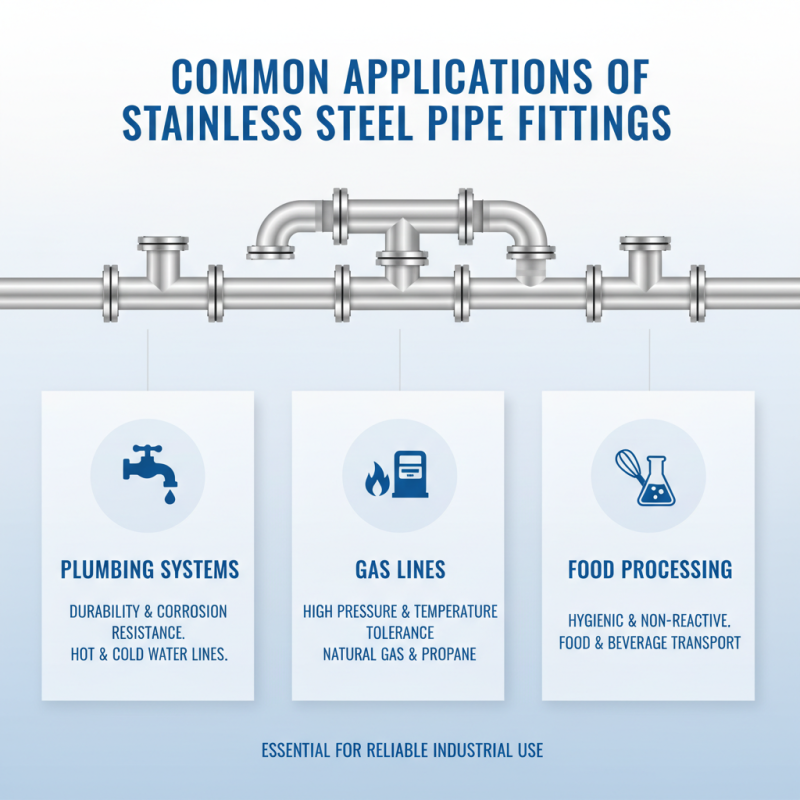
Stainless steel pipe fittings are essential in various industries. They provide excellent durability and resistance to corrosion, making them ideal for both indoor and outdoor applications. Common uses include plumbing systems, gas lines, and food processing facilities. These fittings can withstand extreme temperatures and high pressures, which makes them a preferred choice.
In the construction sector, stainless steel fittings are often used in structures requiring strength and longevity. Their aesthetic appeal adds value to architectural designs. In laboratories, stainless steel's non-reactive nature is vital, ensuring that tests and experiments remain uncontaminated.
**Tips:** Always consider factors like pressure ratings and temperature limits when selecting fittings. Proper installation is crucial to avoid potential issues. Regular maintenance checks can save you from costly repairs down the line. Investing time in understanding these details enhances performance and longevity of the fittings, but mistakes can happen. Always verify specifications carefully before use.
Benefits of Using Stainless Steel Pipe Fittings
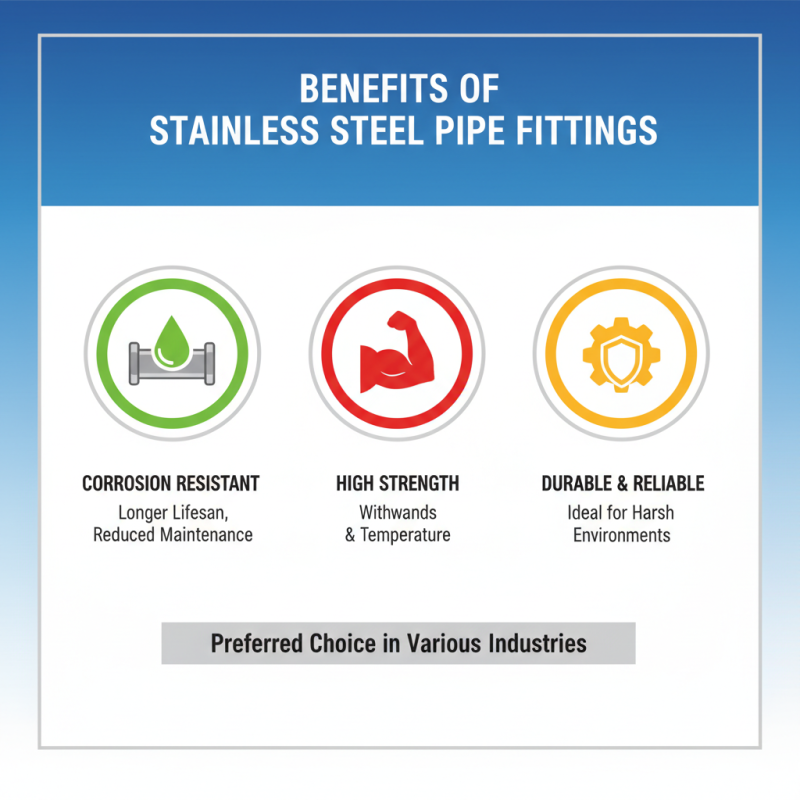
Stainless steel pipe fittings offer numerous advantages that make them a preferred choice in various industries. They are highly resistant to corrosion, which ensures longevity and reduces maintenance costs. This durability is crucial in environments like chemical processing plants, where exposure to harsh substances is common. Additionally, stainless steel is known for its strength, allowing fittings to handle high pressure and temperature variations without compromising integrity.
Another significant benefit is the aesthetic appeal of stainless steel. Its sleek and polished surface enhances the overall look of applications, such as kitchen fixtures and architectural designs. Furthermore, stainless steel is easy to clean, which is essential in sanitary environments like food and beverage processing. This ease of maintenance contributes to operational efficiency and safety, reducing the risk of contamination.
While stainless steel fittings are costlier than some alternatives, their long-term benefits often outweigh the initial investment. It's important to evaluate the specific needs of a project when considering materials. In some cases, cheaper options may suffice, but they might not offer the same reliability, leading to potential issues. Understanding these nuances can guide better decision-making for long-lasting, efficient systems.
Types of Stainless Steel Used in Pipe Fittings
When discussing stainless steel pipe fittings, the type of stainless steel used plays a crucial role. There are various grades, each with unique properties. For example, Type 304 is often used in plumbing applications due to its excellent corrosion resistance. According to the International Stainless Steel Forum, Type 304 accounts for approximately 50% of all stainless steel usage in the world. This figure underscores its significance in pipe fittings.
Type 316 is another widely used grade, favored in marine environments. Its higher nickel and molybdenum content improve corrosion resistance against chlorides. Reports indicate that Type 316 has gained popularity in industries where exposure to harsh conditions is common, such as chemical processing. Interestingly, some professionals note that while Type 316 is superior in corrosion resistance, it can be more expensive than Type 304, which raises questions about cost-effectiveness for specific applications.
Additionally, there are specialty grades like Duplex stainless steel, which offers high strength and excellent corrosion resistance. However, some experts highlight that its complexity can sometimes lead to difficulties in welding and fabrication. It is vital to consider these trade-offs when selecting the appropriate type for pipeline systems.
Installation and Maintenance of Stainless Steel Pipe Fittings
Installing stainless steel pipe fittings requires careful planning. First, ensure you have the right tools. Common tools include wrenches, sealants, and thread tape. Each component must fit securely to prevent leaks. Always clean the pipe ends before attaching any fittings. Proper cleaning ensures a tight seal and enhances longevity.
When positioning the fittings, align them carefully. Misalignment can lead to stress points. These stress points may cause failure over time. Use the correct torque settings when tightening. Too much or too little torque can ruin the connection. Regular inspections are vital. Check for rust or corrosion on the fittings. Even stainless steel can develop pitting if not maintained well.
Maintenance is just as crucial as the initial installation. Regularly check for leaks and wear. A small leak can turn into a big problem. It’s wise to replace worn fittings before they fail. Keep the fittings clean, free from debris. Sometimes, minor adjustments are necessary to keep everything aligned. Don’t overlook the importance of periodic professional reviews. They can spot issues you might miss.
Stainless Steel Pipe Fittings: Uses and Benefits
The bar chart above illustrates the various applications of stainless steel pipe fittings across different industries. The percentage values indicate their relative usage, highlighting the significance of stainless steel pipe fittings in sectors such as piping, plumbing, food, chemical processing, and construction.