Essential Tips for Choosing PVC Pipe Fittings for Your Project?
Choosing the right PVC pipe fittings for your project can be daunting. With so many options available, it's essential to understand your specific needs. Each fitting plays a crucial role in ensuring a secure and functional plumbing system. PVC pipe fittings are versatile but require careful selection based on factors like size, type, and application.
When you decide on PVC pipe fittings, think about the project's requirements. Will they withstand high pressure? Do you need a specific connection type? Each decision impacts the overall performance. Make sure to consider factors such as durability and compatibility with your existing pipes. Knowledge of these elements builds a solid foundation for your project’s success.
Often overlooked, the selection process can reveal challenges. Mismatched fittings may lead to leaks or system failures. Consultation with experts or local suppliers can provide insights. Balancing quality and cost is essential. Learning from past mistakes reinforces the importance of thoughtful selection. Your project deserves the best PVC pipe fittings to ensure reliability and efficiency.
Understanding the Different Types of PVC Pipe Fittings Available in the Market
When selecting PVC pipe fittings, understanding the various types is crucial for any project.
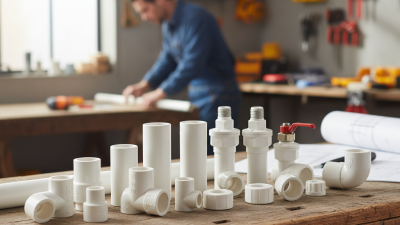
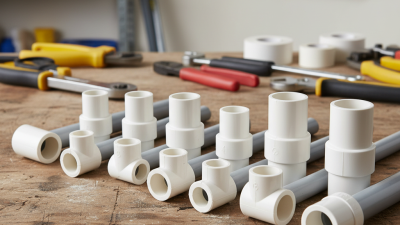
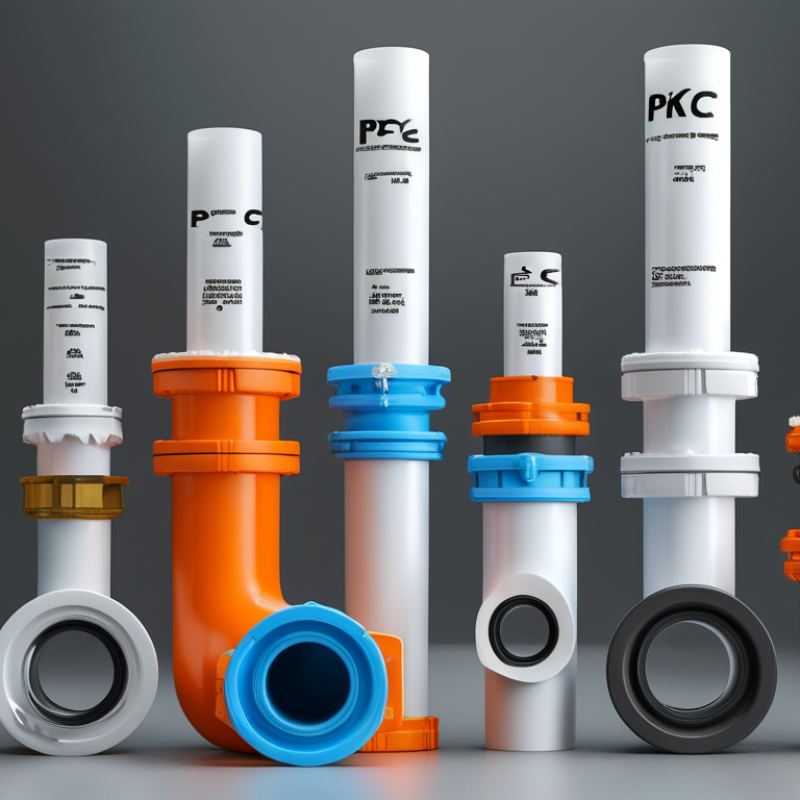
PVC fittings come in various shapes and sizes, each suited for specific applications. The market offers elbow fittings, tees, couplings, and reducers. Elbows can help change the direction of piping, while tees are essential for branching off a line.
According to a recent industry report, the global PVC fittings market is expected to grow significantly, driven by increasing construction activities.
Choosing the right type of fitting can save you time and money. Make sure to consider the fitting's pressure rating. Too low a rating can result in failures. The usage of the fittings also impacts the choice. Schedule 40 and Schedule 80 are common, with Schedule 80 being stronger. Overall, aim for fittings that comply with standards for water quality and pressure ratings.
Tip: Always check compatibility with existing pipelines. Different fittings can have subtle differences that affect their performance. It’s important to conduct thorough research before making your purchase. Additionally, consulting with a plumbing expert can help clarify any uncertainties. Remember, small mistakes in choosing the right fitting can lead to bigger issues down the line.
Key Factors to Consider When Selecting PVC Pipe Fittings for Durability
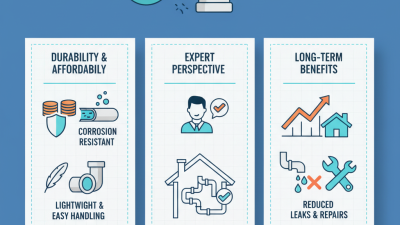
When selecting PVC pipe fittings for your project, durability should be a primary concern. PVC fittings are widely used because they resist corrosion and decay, but quality varies greatly. Examine the thickness of the walls; thinner fittings may save money initially but often fail sooner, leading to higher costs later.
Pay attention to the temperature and pressure ratings of the fittings. Each fitting is designed to withstand specific conditions. If you anticipate high pressure or temperature, opt for fittings rated accordingly. Ignoring these ratings can result in leaks or failure under stress.
Here are some tips to ensure you choose wisely. Always assess the installation environment. For outdoor projects, choose UV-resistant fittings. For underground installations, look for fittings that offer enhanced impact resistance. Don’t hesitate to consult with a plumbing expert to align your choices with your specific needs. This guidance can be invaluable in avoiding costly mistakes.
Essential Tips for Choosing PVC Pipe Fittings for Your Project
Evaluating Optimal Size and Compatibility for PVC Pipe Fitting Projects
Selecting the correct size and compatibility for PVC pipe fittings is crucial for any project. Proper fitting ensures effective flow and reduces leaks. According to industry data, mismatched sizes can lead to a 20% increase in installation time and costs. It's vital to measure your pipe diameter accurately, considering both the outer and inner dimensions. Often, homeowners overlook the importance of compatibility with existing systems.
When choosing fittings, consider the pressure rating. A study shows that nearly 50% of pipe failures are linked to using incompatible materials or inadequate ratings. Always check specifications carefully. A compatible fitting guarantees better performance.
Tip: Use dry-fit tests before finalizing connections. This can save time down the line.
Another important aspect is understanding the types of PVC available. Rigid and flexible PVC serve different purposes. A mismatch here can cause long-term issues.
Tip: Consult with a professional if uncertain. Their experience can guide crucial decisions. Overall, evaluating size and compatibility is essential for a successful project.
Industry Standards and Certifications for PVC Pipe Fittings Explained
When selecting PVC pipe fittings, understanding industry standards is crucial. These standards ensure safety and performance. Most PVC fittings comply with ASTM, a key certification body. This means they meet specific testing criteria. For example, the ASTM D2466 standard ensures that PVC fittings can withstand pressure and temperature changes. Fittings that meet these standards are more reliable for both residential and commercial applications.
Certifications play a vital role in the decision-making process. For instance, NSF certification indicates the fittings are safe for drinking water. Local regulations may also require specific compliance, so it's wise to check those before purchasing. Unfortunately, not all manufacturers adhere to these standards. This can lead to subpar products that fail over time. Researching and confirming certifications can prevent costly mistakes, enhancing the final outcome of your plumbing project.
Incorporating these considerations into your choice ensures long-lasting installations. It's easy to overlook these details when in a rush. Taking time to review certifications can pay off, reducing future issues. Always aim for fittings that prioritize quality and reliability. This proactive approach can boost the resilience of your plumbing system.
Essential Tips for Choosing PVC Pipe Fittings for Your Project
| Dimension |
Standard |
Certification |
Usage |
| 1/2 inch |
ASTM D2665 |
NSF 14 |
Residential plumbing |
| 3/4 inch |
ASTM D2241 |
NSF 61 |
Irrigation systems |
| 1 inch |
ASME B16.5 |
UL Listed |
Industrial applications |
| 2 inch |
ASTM F441 |
ISO 4422 |
Water supply systems |
| 4 inch |
ASTM D1785 |
CSA B137.3 |
Wastewater management |
Cost-Effectiveness: Balancing Quality and Price in PVC Pipe Fitting Selection
When selecting PVC pipe fittings, cost-effectiveness is a primary concern. High-quality PVC fittings can seem expensive compared to cheaper options. But it's crucial to evaluate what you are really paying for. Cheaper options may lead to leaks and failures, causing more costs over time. Therefore, investing wisely in quality materials is essential.
Balancing quality and price is a fine line. When you choose cost-effective fittings, ensure they meet industry standards. Look for certifications. These labels often indicate reliability and durability. Additionally, consider the long-term implications of your choice. Will the cheaper fittings need frequent replacements? This can quickly add up in cost and labor. Sometimes, the initial investment in better quality fittings pays off in the end.
However, it’s wise to think critically about your project’s specific needs. Not every project requires the highest quality materials. For temporary setups, a less expensive option might suffice. Always assess your unique circumstances. Sometimes, it’s the small details that dictate the best choice. Prioritize what truly matters in your project to make the most cost-effective decision.