Top 5 Tips for Using Compression Fittings Effectively?
In the world of plumbing and electrical installations, Compression Fittings play a crucial role. Renowned expert Thomas Strickland, a leading figure in the field, emphasizes, “Proper installation is key to the longevity and efficiency of compression fittings.” His insight underscores the need for best practices when using these fittings.
Compression fittings, simple yet effective, require precision and care. They seal pipes securely, avoiding leaks for years. However, many users overlook common mistakes, leading to unnecessary failures. Misalignment during installation can cause issues, as can using the wrong tools. Each detail matters in ensuring a reliable connection.
As the industry evolves, understanding compression fittings becomes vital for both professionals and DIY enthusiasts. Implementing effective techniques can significantly enhance performance. Paying attention to the nuances will foster better results. It’s essential to remain vigilant and conscientious in this field, ensuring that every fitting is installed correctly for optimal efficiency.
Understanding Compression Fittings and Their Applications
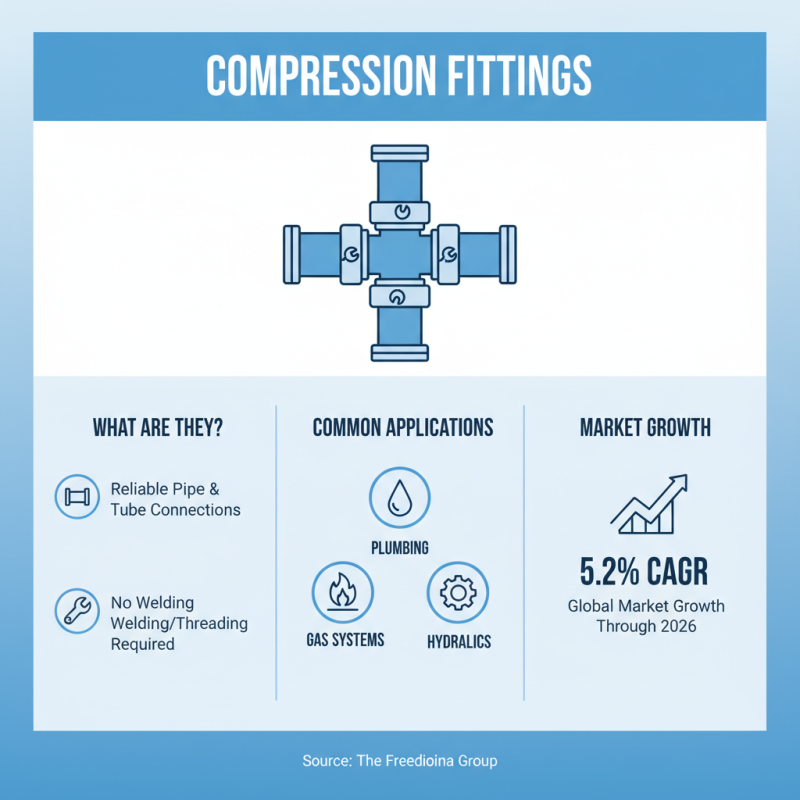
Compression fittings are vital in various industries, connecting pipes and tubing reliably. These fittings are prevalent in plumbing, gas, and hydraulic systems. According to a report by The Freedonia Group, the global market for compression fittings is projected to grow at a compound annual growth rate (CAGR) of 5.2% through 2026. This growth highlights their importance in modern applications.
Understanding compression fittings is essential for effective usage. They work by compressing a ring against the pipe, creating a tight seal. Ensuring that the pipe's surface is clean and free of debris is critical. Even small imperfections can lead to leaks. A study from the American Society of Mechanical Engineers (ASME) noted that improper installation can increase failure rates by 30%. This affirms the need for careful attention during assembly.
Furthermore, material choice greatly influences the performance of compression fittings. Options include brass, stainless steel, and plastic. Each material has unique properties that affect durability and resistance. A report by Research and Markets states that brass fittings dominate the market due to their corrosion resistance and mechanical stability. However, plastic fittings can perform well in specific environments, though they may be prone to cracking under high pressure. Balancing these factors is necessary for optimal performance.
Selecting the Right Size and Type of Compression Fitting
Selecting the right size and type of compression fitting is critical for successful installations. According to a study by the American Society of Plumbing Engineers (ASPE), nearly 30% of plumbing failures result from improperly chosen fittings. These fittings must match the pipe diameter and material for optimal performance. Measure accurately to ensure a snug fit. Under or over-sized fittings can lead to leaks, increasing maintenance costs.
Material compatibility is another key consideration. Metal and plastic fittings serve different purposes. Metal fittings handle higher pressures, while plastic options are lightweight and resistant to corrosion. A report from the International Association of Plumbing and Mechanical Officials (IAPMO) indicated that using mismatched materials can reduce system efficiency by up to 25%.
Moreover, it's essential to consider the installation environment. Changes in temperature and pressure can affect fittings. For instance, high-temperature systems demand specific materials that can withstand thermal expansion. A survey by the National Association of Home Builders (NAHB) found that incorrect material choices often lead to premature failures. This highlights the need for careful selection and installation.
Preparing the Pipe Surface for Effective Compression
When working with compression fittings, preparing the pipe surface is key for ensuring a tight, leak-free seal. Start by cleaning the pipe thoroughly. Remove any dirt, grease, or debris. Use a cloth or a brush designed for this purpose. Polishing the surface can help too. This gives the fitting a better grip.
Keep an eye on the pipe's edges. Jagged or damaged edges can hinder proper sealing. If necessary, use a fine file to smooth out imperfections. A clean and smooth edge enhances the overall effectiveness of the fitting. Regular checks on your tools are also wise. Damaged tools can lead to mistakes.
Remember to practice proper installation techniques. Apply even pressure when tightening the fitting. Over-tightening can cause the fitting to deform. This might lead to leaks later on. Take your time and double-check every step. Rushing can lead to oversights, impacting the integrity of the connection. A meticulous approach will ensure lasting results.
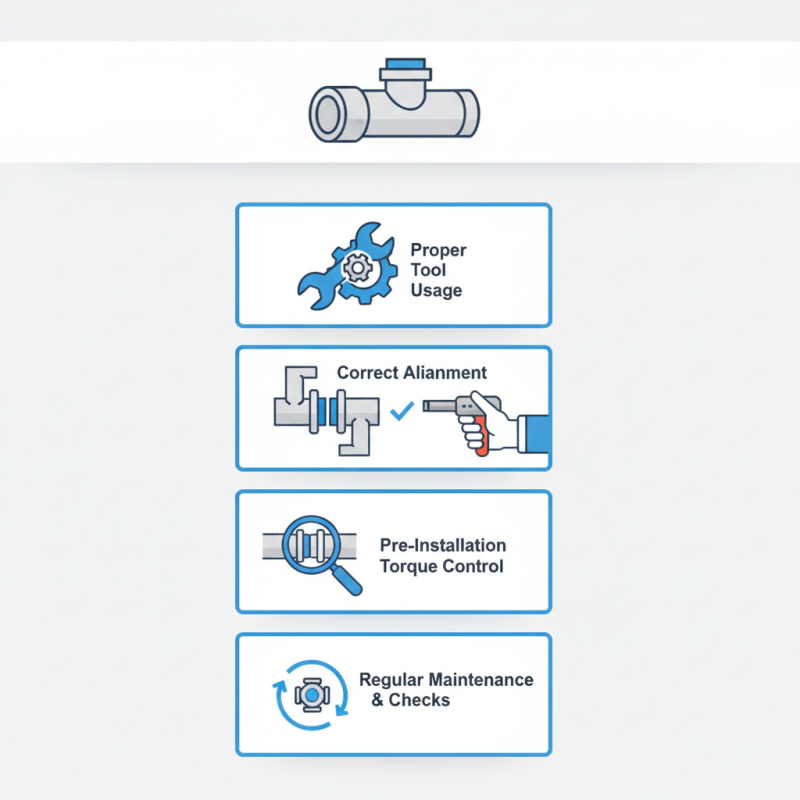
Top 5 Tips for Using Compression Fittings Effectively
This chart illustrates the effectiveness of different preparation tips for pipe surfaces before using compression fittings. Each tip is scored based on user feedback, with a higher score indicating greater effectiveness.
Proper Installation Techniques for Compression Fittings
Proper installation of compression fittings is crucial for effective performance. According to industry studies, improper installation can lead to up to 30% of system failures in piping. This statistic highlights the need for meticulous attention to detail when working with these fittings. Start by ensuring that the tubing is cut cleanly and squarely, as any irregularity can compromise the seal. Ensuring the surface is free from debris increases the effectiveness of the connection.
During installation, it’s vital to follow torque specifications. Many professionals overlook this, leading to leaks or joint failure. A study by the Mechanical Contractors Association found that more than 25% of leaks were due to inadequate torque settings. Using a calibrated torque wrench can mitigate this issue. It's also important to inspect the ferrule placement; it should be positioned correctly to ensure a proper seal. Misalignment can result in weak joints and increased maintenance costs.
Lastly, regular inspection of compression fittings is essential. Visual checks should be part of routine maintenance. Even minor wear can lead to significant problems over time. Consider keeping a schedule for these inspections. A proactive approach can prevent unexpected failures and costly repairs. Remember, a strong installation lays the foundation for a reliable and efficient system.
Maintaining and Troubleshooting Compression Fittings
When working with compression fittings, maintaining their integrity is crucial. A common issue is leakage, which can result from improper installation. According to industry research, nearly 30% of plumbing failures relate to connection issues. This statistic emphasizes the importance of careful handling and installation of compression fittings. Regular inspections can help identify loose fittings before they lead to more significant problems.
Troubleshooting compression fittings involves checking for tightness and examining the condition of seals. Sometimes, minor adjustments can solve the problem. Industry data reveals that over 20% of fittings fail due to deterioration from corrosion. Employing the right materials and ensuring proper installation can significantly enhance durability. Avoid overtightening, which may lead to damage. Instead, seek a balance—tight enough to prevent leaks but not so tight that it causes wear.
Over time, heat and pressure can affect the integrity of compression fittings. Frequent thermal expansion and contraction may weaken connection points. Monitoring these fittings ensures longevity and reliability in systems. Be proactive in your maintenance approach to avoid costly repairs and ensure efficient performance. Engaging with these techniques can provide insights into maintaining optimal function.