Top 10 Press Fittings You Need for Your Projects?
When undertaking plumbing or construction projects, choosing the right materials is crucial. Press fittings have become increasingly popular for their efficient installation and reliability. These fittings can significantly reduce assembly time and ensure strong connections. As the demand for quality plumbing solutions grows, selecting the right press fittings becomes imperative.
These fittings come in various types, each designed for specific applications. Whether you are working on residential or commercial projects, understanding your options is essential. The right press fittings can enhance the overall performance of your plumbing system. Moreover, improper selection may lead to leaks and costly repairs.
In this article, we will explore the top 10 press fittings that cater to diverse project needs. Each option has been carefully selected based on expertise and practical experience. By understanding the features and applications of these fittings, you can make informed choices that meet your project specifications. Press fittings are not just tools; they are the backbone of efficient plumbing systems.
Overview of Press Fittings and Their Importance in Plumbing Projects
Understanding press fittings is essential for effective plumbing projects. These fittings connect pipes securely and efficiently. According to industry reports, using press fittings can reduce installation time by up to 40%. This efficiency is crucial for plumbing professionals aiming to enhance workflow and deliver projects on time.
Press fittings offer various advantages, including leak-proof joints and reduced need for welding. A study by the American Society of Plumbing Engineers found that improper connections were responsible for 30% of plumbing failures. This statistic highlights the importance of choosing reliable fittings in any project. Additionally, press fittings can be used in various materials, making them versatile for different plumbing situations.
However, while press fittings provide many benefits, poor installation can lead to issues. Misalignment or improper pressure during installation can create problems down the line. It is essential for plumbers to be trained on the proper techniques. Continuous professional development is necessary to keep up with best practices in fitting installation. Understanding the balance between efficiency and quality is vital in the plumbing industry.
Types of Press Fittings and Their Specific Applications in Construction
Press fittings are vital components in modern construction projects. Their versatility covers various applications such as water supply systems, gas distribution, and heating installations. According to industry reports, these fittings can reduce installation time by up to 50%, thanks to their pre-fabricated design. This saves both labor costs and speeds up project deadlines.
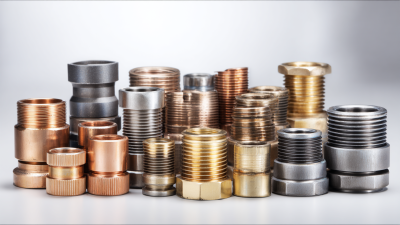
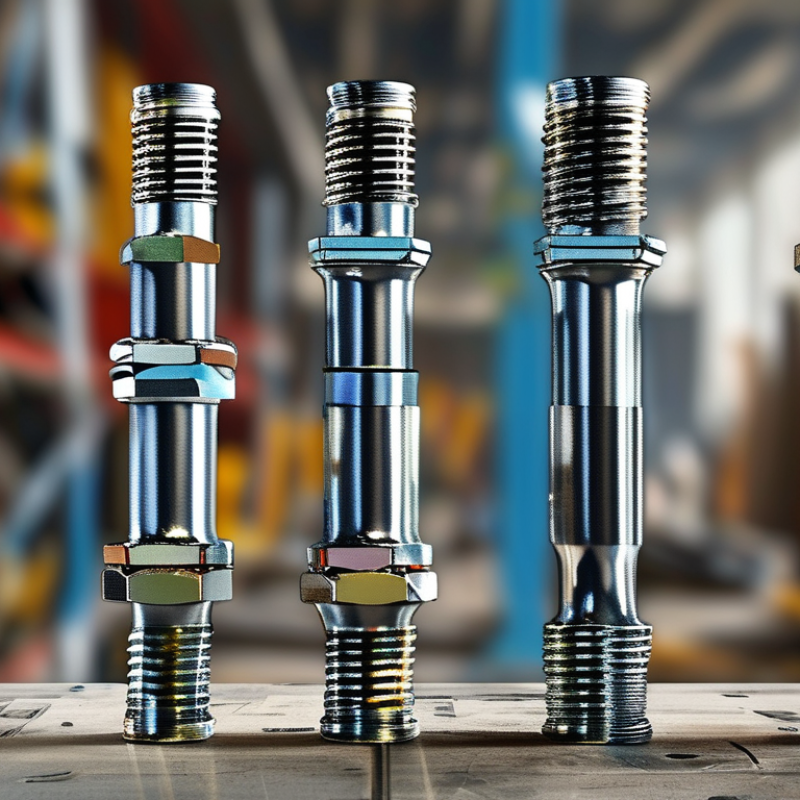
Types of press fittings include copper, stainless steel, and polymer variants. Each type serves distinct applications. Copper fittings excel in plumbing for potable water, while stainless steel is preferred for gas systems. On the other hand, polymer fittings are often used in underground installations due to their corrosion resistance. A study by the Construction Industry Institute highlights that using the right fitting can lead to fewer failures, enhancing system reliability.
Despite their benefits, not all projects utilize these fittings correctly. Inexperienced installers may overlook important factors such as pipe compatibility and pressure tolerances. Ongoing training and best practice guidelines remain crucial. The construction sector must address these knowledge gaps to fully leverage press fittings' potential in projects.
Top 10 Press Fittings You Need for Your Projects
| Type of Press Fitting |
Material |
Typical Applications |
Diameter Range (inches) |
Pressure Rating (PSI) |
| Dbl. Socket |
Stainless Steel |
Water Supply |
1/2 to 4 |
150 |
| Elbow Fitting |
Copper |
Heating Systems |
1/2 to 2 |
200 |
| Tee Fitting |
Brass |
Gas Lines |
1/2 to 6 |
150 |
| Reduction Fitting |
Mild Steel |
Industrial Applications |
3/4 to 4 |
100 |
| Cap Fitting |
Plastic |
Drainage Systems |
1/2 to 3 |
50 |
| Swivel Connector |
Aluminum |
Fluid Transfer |
1 to 2 |
150 |
| Cross Fitting |
Brass |
Hydraulic Systems |
1/2 to 3 |
200 |
| Union Fitting |
Stainless Steel |
Pneumatic Systems |
1/2 to 3 |
150 |
| Pex Crimp Fitting |
Cross-Linked Polyethylene |
Residential Plumbing |
3/4 to 1 |
80 |
| Press to Thread Fitting |
Copper |
Mixed Material Connections |
1/2 to 2 |
150 |
Key Features to Look for in High-Quality Press Fittings
When selecting high-quality press fittings for various projects, it's crucial to consider several key features that ensure durability and reliability. Look for fittings made from robust materials such as stainless steel or copper. These materials withstand corrosion and high temperatures. A solid fitting should have a smooth interior surface to facilitate fluid flow and prevent blockages. Test the weight of the fittings; heavier components often indicate stronger construction.
Another critical aspect is the seal quality. A reliable seal minimizes leaks and maintains pressure within the system. Check for fittings that feature double o-ring designs. This design enhances sealing performance, especially in high-pressure applications. Compatibility is also necessary; ensure the fittings work seamlessly with the pipes in your project.
Installation factors play a vital role as well. Good fittings should allow for straightforward installation. Consider whether specialized tools are required. Too often, installation complexity leads to mistakes. Regularly, users overlook this aspect and face issues later. Always consider the intended environment for the fittings, as exposure to elements can impact performance over time.
Top 10 Recommended Press Fittings for Various Plumbing Needs
When tackling plumbing projects, selecting the right press fittings is crucial. These components play a significant role in ensuring durability and leak-proof joints. When considering various plumbing needs, it’s vital to have reliable fittings that work seamlessly with different pipes and systems.
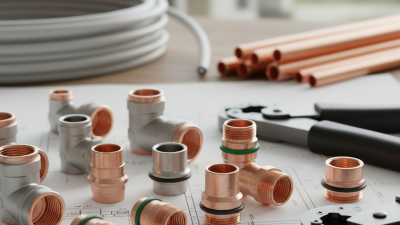
One popular option is the copper press fitting, known for its strength and resistance to corrosion. These are ideal for water supply lines. Stainless steel press fittings also offer excellent longevity, especially in harsh environments. They provide flexibility for high-pressure applications, making them a go-to choice for many professionals.
Yet, choosing the right fittings can be tricky. Not all fittings are created equal. Some may not provide a perfect seal or might be prone to corrosion if used improperly. Exploring different materials and their specific applications is essential for achieving the best results. Investing a little time in research can prevent future issues. Be mindful of compatibility between fittings and pipes to ensure successful installations.
Top 10 Recommended Press Fittings for Various Plumbing Needs
Installation Tips and Best Practices for Using Press Fittings in Projects
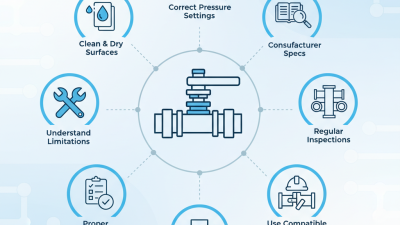
When working with press fittings, installation can be as crucial as choosing the right materials. Proper techniques ensure durability and performance.
Start by preparing the pipes. Clean them thoroughly to remove debris and oxidation. This small step can prevent leaks later.
Ensure you use the right tools for the job. A pressing tool designed for the specific size of the fitting is essential. Improper tools may lead to weak connections.
Pay attention to the manufacturer's guidelines on how to use these tools effectively.
Test the joints after installation. While press fittings are designed for ease, oversight can happen. A simple pressure test can reveal hidden issues.
If you notice any inconsistencies, reevaluate your installation process. This will help you improve future projects and enhance overall quality.