Top Stainless Steel Pipe Fittings Buyers Guide 2026?
As industries continue to evolve, the demand for reliable and high-quality Stainless Steel Pipe Fittings is surging. According to recent market analysis, the global stainless steel pipe fittings market is projected to grow at a CAGR of 5.2% from 2021 to 2026. This growth is driven by increased applications in construction, chemical processing, and food and beverage sectors. Buyers must navigate this diverse landscape with precision.
Understanding the various options available is essential. Stainless steel fittings offer durability and corrosion resistance. However, the choice between different grades can be overwhelming. For instance, grade 304 is ideal for general applications, while grade 316 provides superior rust resistance in harsh environments. Recognizing these specifications can dramatically impact project efficiency and safety timelines.
While the market is promising, buyers must also be wary of quality discrepancies. Not all suppliers adhere to the same manufacturing standards. Quality assurance certifications are crucial to guarantee that products meet industry regulations. Companies must invest time in vetting suppliers carefully to avoid costly setbacks. This guide aims to illuminate the path for buyers navigating the complex world of stainless steel pipe fittings, ensuring informed decisions are made every step of the way.
Understanding Stainless Steel Pipe Fittings: Types and Applications
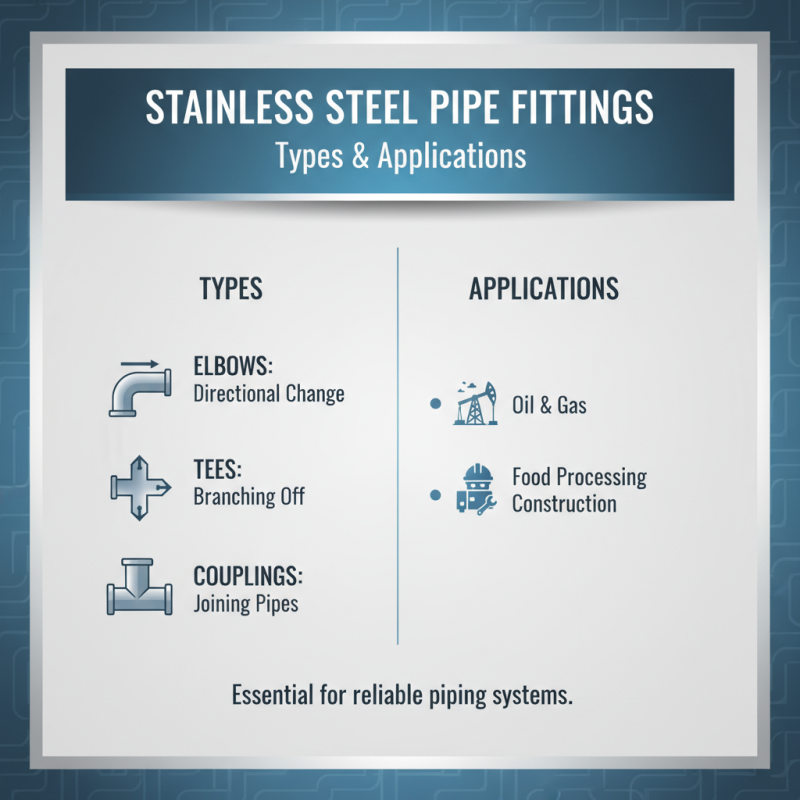
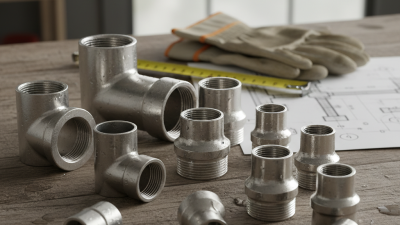
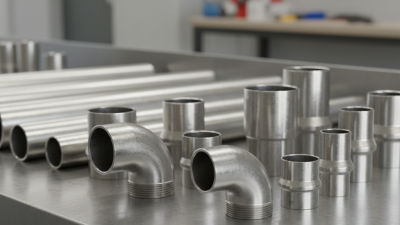
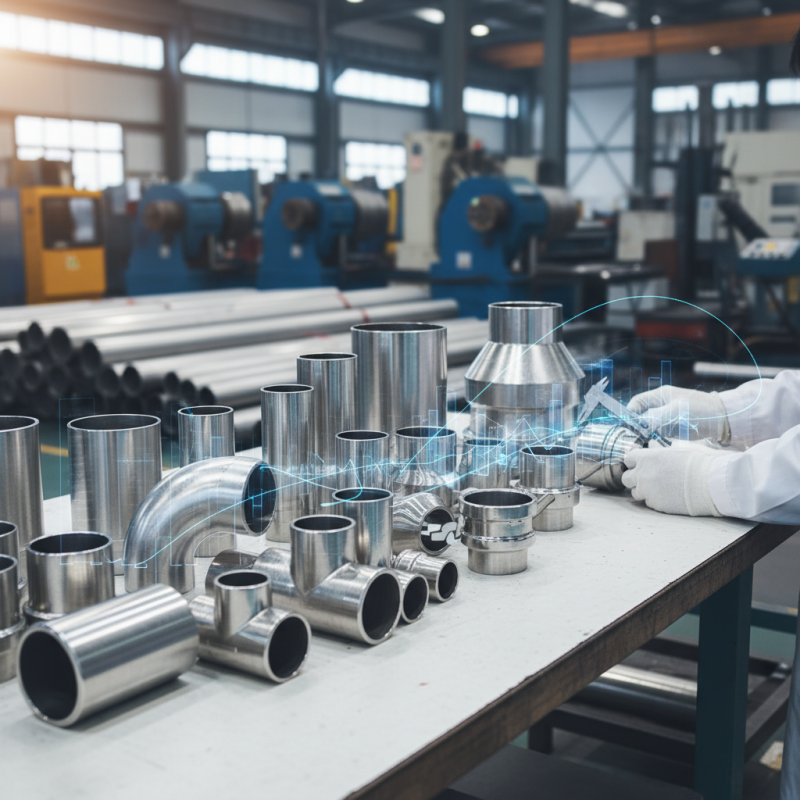
Stainless steel pipe fittings are essential in numerous industries, including oil and gas, food processing, and construction. These fittings come in various types, including elbows, tees, and couplings. Each type serves a specific function. For example, elbows allow for directional changes in piping systems. Tees facilitate branching off into different pipelines. Understanding these differences aids in selecting the right fittings for your project.
Industry reports indicate that the global stainless steel pipe fittings market is expected to grow significantly. By 2026, the market value could reach over $15 billion. This growth is driven by increasing demand in chemical processing and water treatment sectors. It's crucial for buyers to be aware of these trends. The right fittings can enhance durability and reduce maintenance costs.
However, not all fittings are created equal. A poorly chosen fitting can lead to leaks and costly downtime. Buyers must consider their specific applications. Too often, decisions are made based on price alone, forgetting the long-term implications. The right choice involves balancing cost, quality, and application requirements. Investing in high-quality stainless steel fittings may reduce future headaches.
Key Material Specifications for Stainless Steel Pipe Fittings
When selecting stainless steel pipe fittings, understanding key material specifications is crucial. Stainless steel grades, such as 304 and 316, dictate corrosion resistance and strength. The right choice enhances system durability and safety.
Check the fitting specifications. Look for details like pressure ratings, temperature tolerances, and dimensional standards. These factors influence how well a fitting performs under different conditions.
**Tip:** Always assess the environment where the fittings will be used. Factors like humidity and exposure to chemicals can impact the choice of material.
Maintaining a balance between quality and cost is essential. Inexpensive options may seem attractive, but they could compromise system integrity. This could lead to leaks or failures over time.
**Tip:** Consult with experts or review technical datasheets before purchase. This can help avoid costly mistakes.
Ultimately, prioritizing reliable materials ensures longevity and efficiency. Assess your project's unique requirements for the best results.
Top Stainless Steel Pipe Fittings Buyers Guide 2026
This chart illustrates the key material specifications and their respective demand for stainless steel pipe fittings in 2026. The specifications include various grades of stainless steel commonly used in manufacturing these fittings.
Market Analysis: Leading Manufacturers & Market Share Data for 2026
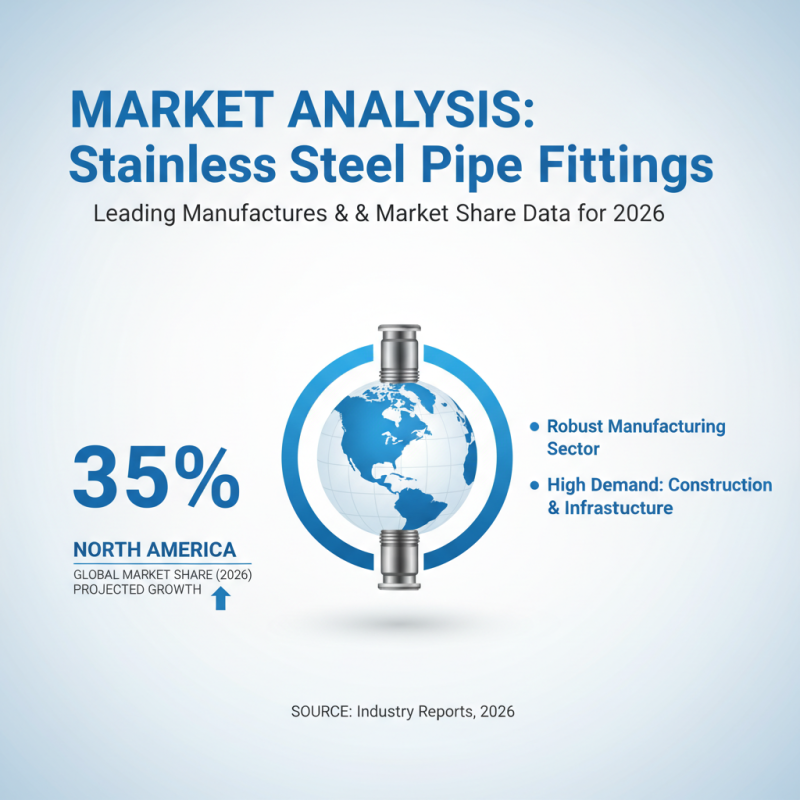
The global stainless steel pipe fittings market is projected to reach significant growth by 2026. According to recent industry reports, North America accounts for approximately 35% of the market share. This region benefits from its robust manufacturing sector and high demand for piping solutions in construction and infrastructure projects.
Leading manufacturers are focusing on innovation and sustainability. They are investing in research to produce more durable and corrosion-resistant materials. However, the competitive landscape poses challenges. Numerous manufacturers are emerging, which can impact market shares. Furthermore, regional variations in demand complicate the industry dynamics. Manufacturers need to adapt to local preferences and regulations while maintaining competitive prices.
Market analysts suggest the need for continuous improvement. The existing supply chains can be optimized for better efficiency. Some companies still struggle with outdated processes, causing delays and increased costs. This is an area that needs significant attention as the market evolves. Additionally, customer feedback can offer insights into necessary improvements, yet many manufacturers overlook this valuable resource.
Cost Factors: Pricing Trends and Influencing Elements in Pipe Fittings
Pricing in the stainless steel pipe fittings market is influenced by numerous factors.
Material costs are a significant driver. As of 2023, nickel prices, a primary component in stainless steel, have experienced fluctuations.
The International Nickel Study Group reported an average increase of 15% over the past year. This trend impacts the final prices of fittings, making understanding these market elements crucial for buyers.
Supply chain dynamics also play a role. Recent disruptions due to geopolitical tensions and the pandemic have created inconsistencies in availability.
The global demand for stainless steel pipe fittings is anticipated to grow by 4.5% annually, according to a market research report by Grand View Research.
This increasing demand may lead to higher prices, especially if supply does not keep pace.
In addition, the manufacturing processes and labor costs affect pricing. Automation in production has risen, though not all manufacturers are transitioning quickly.
Some still rely on traditional methods, which can increase costs.
It’s essential for buyers to evaluate their options carefully, considering both current trends and future forecasts.
Future Implications: Innovations and Sustainability in Pipe Fitting Solutions
Innovations in stainless steel pipe fittings are shaping the industry. Recent reports indicate a 5% annual growth rate in this sector, driven by increasing demand for durable and eco-friendly solutions. With stricter regulations on materials, manufacturers are moving towards sustainable practices. This aligns with global trends focused on lowering carbon footprints.
One notable trend is the shift toward adaptive designs. Manufacturers are utilizing advanced technologies like 3D printing. This enables custom-fit solutions, reducing waste and enhancing efficiency. However, the reliance on these technologies raises questions about scalability and long-term sustainability. What happens when demand fluctuates?
The integration of recycled materials is another significant development. Research shows that using recycled stainless steel can reduce energy consumption by up to 50%. Nonetheless, the quality and consistency of recycled materials can vary. As the industry pivots towards sustainability, balancing innovation with reliability remains a challenge for many stakeholders. The future of pipe fittings will require both creativity and caution.