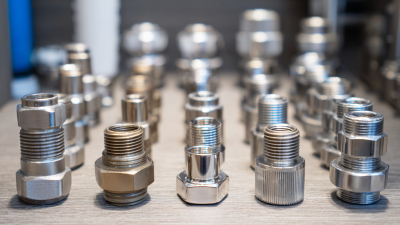
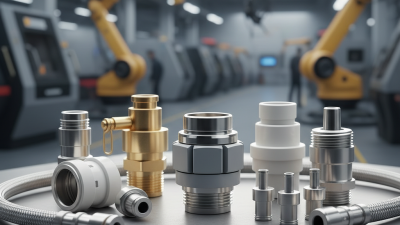
Why Choose Quick And Easy Fittings?
Choosing the right connection method can influence installation time, system safety, and long-term maintenance. Quick And Easy Fittings are designed for projects where reliable assembly matters. They can connect pipes, hoses, or components with fewer tools and less preparation. This helps technicians work efficiently in tight spaces, such as kitchen cabinets, plant rooms, and workshop benches. A clean seal can also reduce the risk of leaks during daily operation. Small details matter.
However, speed should never replace careful judgment. The fitting must match the pipe material, diameter, pressure rating, and working temperature. A rushed selection may cause loosening, deformation, or premature failure. Experienced installers usually inspect threads, seals, and contact surfaces before assembly. They also perform a pressure or function test after installation. That step is easy to skip.
The value of Quick And Easy Fittings comes from balanced performance, not convenience alone. Quality products can simplify repairs and reduce downtime when used within their stated limits. Clear manufacturer instructions, traceable materials, and consistent production standards support dependable results. Still, no fitting suits every application. Site conditions can expose weaknesses that a product brochure does not mention. For this reason, buyers should compare specifications carefully and consult qualified professionals for demanding systems. A practical review should consider labor savings, service life, installation errors, and replacement access. The fastest option is not always the wisest one.
What Are Quick and Easy Fittings?
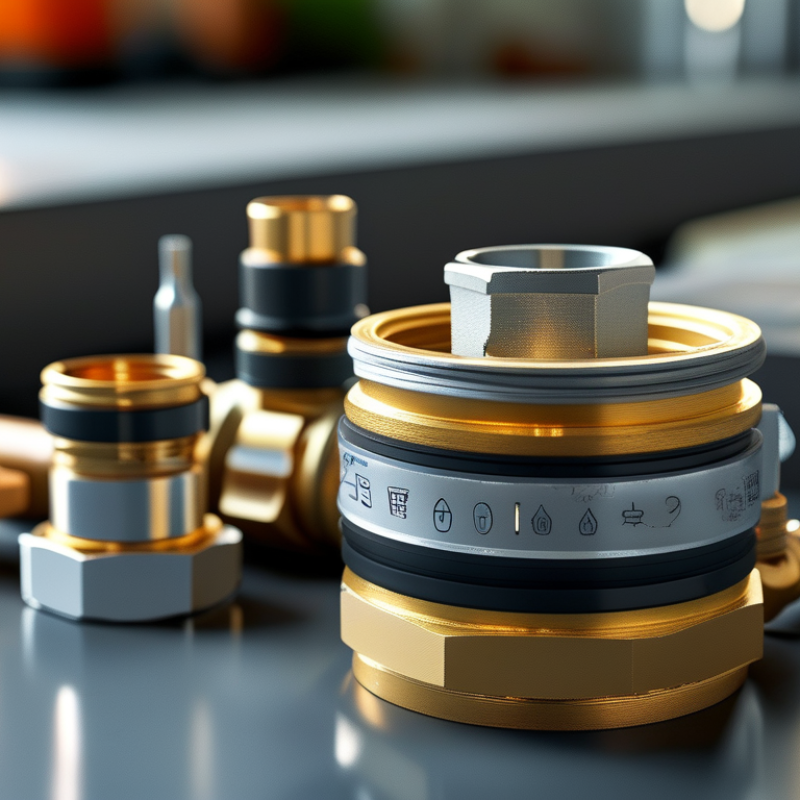
Quick and easy fittings are connection components designed to join pipes, tubes, or hoses with minimal tools. They commonly use push-in, snap-lock, cam-lock, or threaded mechanisms. A sealing ring helps prevent air, water, or fluid from escaping around the joint.
Their appeal is clear in workshops and maintenance areas. A technician can cut a tube, check its surface, and insert it into the fitting. The connection may be ready within seconds. This reduces downtime and makes repeated adjustments less frustrating. Some designs also allow disconnection without removing the entire line. That matters when equipment needs cleaning or inspection.
Material selection still requires care. Plastic fittings can suit light-duty water or air systems, while metal fittings often handle higher temperatures and mechanical stress. The tube must match the fitting size exactly. A slightly damaged edge can cause a slow leak, even when the connection feels secure. Not every quick fitting is suitable for pressure, vibration, chemicals, or outdoor exposure. Read the technical data. Test the joint gradually.
In practical installation, workers should keep the tube straight and free from dust. They should also inspect the seal before use. Small mistakes happen. Rushing the process can create hidden problems. Quick and easy does not mean careless. A reliable fitting saves time only when its design, material, and working conditions are properly matched.
How Do Quick and Easy Fittings Work?
Quick fittings work through a simple push-to-connect design. A prepared tube enters the fitting until it reaches an internal stop. Stainless-steel teeth grip the tube, while an O-ring forms the seal around its surface. No threading or sealant is normally required. To remove the tube, press the release collar and pull gently. The fitting then unlocks without cutting the connection.
In practical maintenance work, accurate tube preparation matters more than speed. Cut the tube squarely, remove burrs, and check its outside diameter. A scratched or oval tube can cause a slow leak. Push the tube fully into the fitting, then apply light pulling pressure to confirm engagement. Always match the fitting material, tube type, temperature range, and working pressure with the system requirements. Pressure testing should follow installation. Do not assume a connection is secure because it feels tight. That assumption can be costly.
Tips
Keep the tube clean and dry. Mark the insertion depth with a pen before assembly. This small mark helps confirm full engagement. Inspect the O-ring during maintenance, especially after repeated disconnections. If leakage appears, release pressure before investigating. I have found that rushing this step often creates a second problem. Compatibility charts and technical instructions remain more reliable than visual judgment.
What Benefits Do They Offer in Installation and Maintenance?
Why Choose Quick And Easy Fittings?
Quick and easy fittings reduce installation time without requiring complex tools. A technician can cut the tube, remove burrs, and connect it with controlled pressure. The process is practical in tight spaces, where a wrench may be difficult to use. Fewer connection steps can also reduce assembly errors. Small details still matter.
A reliable installation starts with a clean, square tube end. The tube should reach the correct insertion depth before pressure is applied. Technicians should check the fitting’s pressure, temperature, and material ratings first. A short leak test can reveal problems before the system begins regular operation. Do not skip it.
Maintenance becomes simpler when fittings are easy to inspect and replace. A damaged section can often be isolated, released, and renewed with limited downtime. Regular checks should look for moisture, movement, corrosion, and unusual stress around the joint. This saves labor during routine service. However, speed can create overconfidence. A rushed connection may appear secure but fail under vibration or heat. That is why installation records, measured checks, and suitable replacement parts remain important. Not every quick fitting suits every application. Teams should review actual operating conditions instead of relying only on convenience.
Which Applications Are Best Suited to These Fittings?
Quick and easy fittings work best where installation speed matters and access is limited. They suit compressed-air lines, low-pressure water systems, irrigation equipment, and light industrial controls. A technician can connect prepared tubing without threading or extensive tools. This helps during repairs, equipment changes, and temporary production adjustments. They are especially useful when shutdown time must remain short.
Their value depends on the application. Tubing must match the fitting size, material, and pressure rating. Clean, square cuts are essential for reliable sealing. Dust, scratches, or uneven edges can damage the internal seal. After installation, a controlled leak test should be standard practice. A quiet joint is not always a safe joint.
These fittings are less suitable for extreme heat, aggressive chemicals, vibration, or critical high-pressure service. Compatibility should be checked against operating temperature and fluid conditions. A fitting may feel secure while still being incorrectly inserted. That detail is easy to overlook. I would also avoid treating speed as proof of quality. In demanding systems, a threaded, welded, or specially engineered connection may provide better long-term security. The best choice is practical, but never automatic.
How Can You Select the Right Quick and Easy Fittings?
Selecting the right quick and easy fitting starts with the working conditions, not the connection speed. Confirm the fluid, pressure, temperature, tube outside diameter, thread standard, and seal material. A fitting designed for air may fail with oil, chemicals, or hot water. Check flow requirements, too. A narrow passage can create pressure loss and reduce equipment performance.
Field inspections often find loose tubes, damaged seals, and mismatched threads. The U.S. Department of Energy reports that compressed-air leaks can waste 20–30% of compressor output, according to Improving Compressed Air System Performance: A Sourcebook for Industry. Correct sizing and secure installation can reduce this hidden loss. Choose corrosion-resistant materials in damp areas, and use locking features where vibration is common. ISO 4414 also emphasizes safe pneumatic design, including pressure control and protection against unexpected movement.
Test the fitting under real operating pressure before full deployment. Look for bubbles, vibration, heat, and gradual leakage. Small leaks matter. A fitting may connect easily yet perform poorly after repeated cycling. Review the manufacturer’s technical data, but do not trust catalog claims without checking application limits. Perfect selection is rare. A short trial run can expose assumptions that paperwork misses.