What Are the Best Quick and Easy Fittings in China?

Choosing Quick And Easy Fittings in China starts with a practical question: where will the connection be used? A fitting for a pneumatic line may not suit a water system or a high-vibration machine. Check the fluid, pressure, temperature, tube material, and available installation space before comparing prices. Small details matter. A clean, square tube cut and a correctly sized connector can prevent leaks and repeated maintenance.

China’s manufacturing base makes local sourcing worth exploring, but a large market does not guarantee consistent product quality. The National Bureau of Statistics of China reported that manufacturing value added grew 6.1% in 2024. That figure describes the wider industry, not fitting quality or sales. It does, however, provide useful context for buyers assessing China’s extensive manufacturing supply chain. Ask suppliers for dimensional drawings, material specifications, pressure-test records, and traceable batch information. For critical applications, request samples and test them under actual operating conditions. Paperwork helps. Verification matters more.

This guide compares fitting types, materials, connection methods, and supplier checks to help buyers make a sound shortlist. It also considers how quickly a fitting can be installed without sacrificing a secure seal. Speed alone is not enough. Some product listings use similar names for different designs, and specifications may leave important limits unclear. That deserves scrutiny. The best choice is not automatically the cheapest or the fastest to connect; it is the one whose documented performance matches the job.
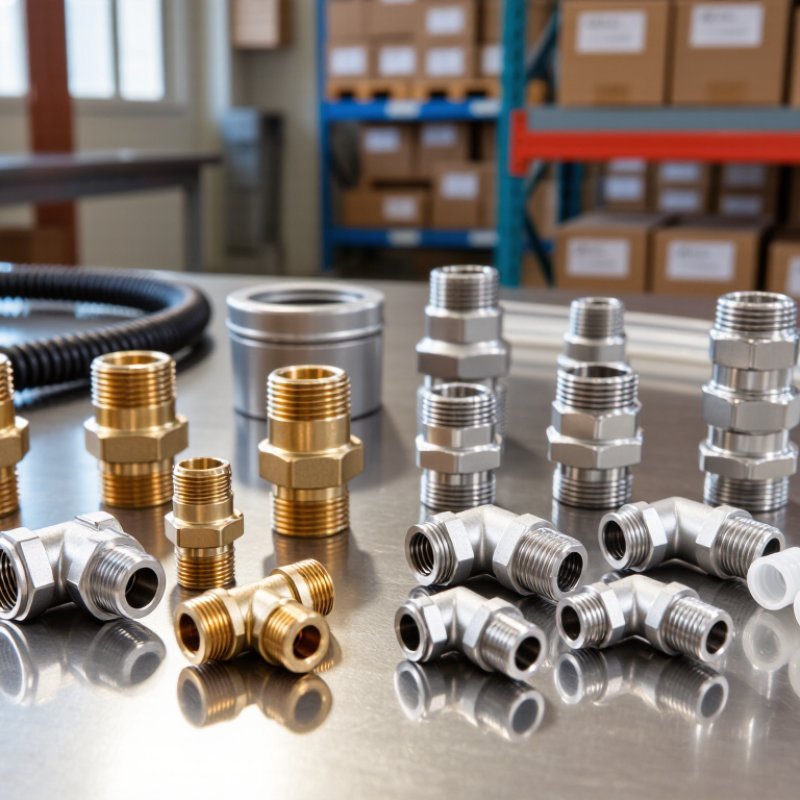
What Are the Best Quick and Easy Fittings in China?

What Are Quick and Easy Fittings and How Do They Work?

Quick and Easy Fittings in China: How They Work

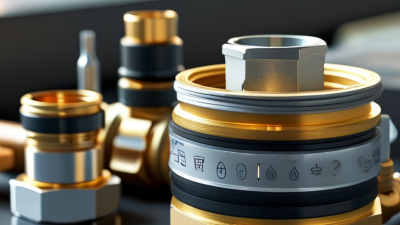
Quick and easy fittings connect tubing without threading, welding, or complicated tools. A release ring opens internal gripping teeth. The tube slides into the fitting and seals against an O-ring. This design supports fast installation in pneumatic lines, water systems, and light industrial equipment.

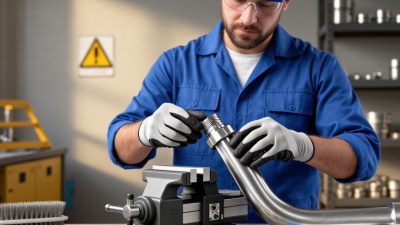
In maintenance work, I have found that clean, square-cut tubing matters more than speed. A tilted cut can damage the seal or cause a slow leak.

The International Federation of Robotics reported 541,302 industrial robots were installed worldwide in 2023.

Many robotic systems depend on compact pneumatic connections. The U.S. Department of Energy also notes that compressed air may represent about 10% of industrial electricity use. A small fitting leak can therefore waste more than expected. The exact loss depends on pressure, temperature, and operating hours.

Tips:

  • Cut tubing with a sharp tool.
  • Push it fully into the fitting.
  • Pull gently to check the grip.
  • Test the line before full operation.
  • Select materials for the fluid and temperature.
  • Do not assume every fitting works with every tube.

That assumption is common, and sometimes expensive. ISO 4414 also emphasizes safe pneumatic design, pressure control, and leak prevention.

Local testing remains necessary, because catalog data cannot reproduce every installation condition.

Which Types of Quick Fittings Are Commonly Made in China?

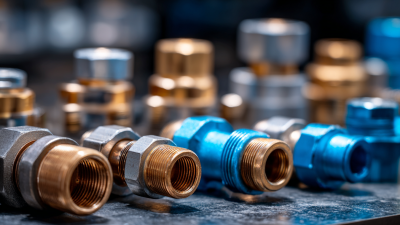
Quick fittings made in China cover several practical categories, each suited to different connection needs. Pneumatic push-to-connect fittings are widely produced for air lines in workshops and automated equipment. A technician can press a nylon tube into the fitting without using a wrench. Small details matter: tube diameter, thread type, and working pressure must match the system.

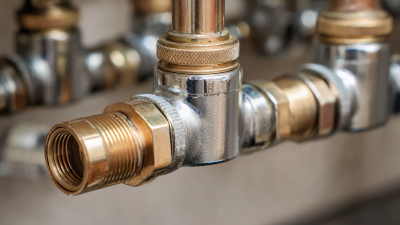
Hydraulic quick couplings are another common type. They connect and disconnect fluid lines on machinery, often with a sleeve or locking mechanism. Brass and stainless-steel versions are also made for water, gas, and general industrial piping. Compression fittings, which grip tubing with a nut and ferrule, remain useful where a simple, firm connection is needed. Cam-and-groove couplings are common for larger hoses and transfer lines. They are quick to handle. But they are not right for every pressure or fluid.

Product quality can vary between factories and even between production batches. I have found that a neat finish does not prove reliable sealing; dimensions and material specifications deserve closer attention. Ask for pressure ratings, compatible media, and inspection records before choosing a fitting. A sample test can reveal leaks or awkward locking action. Not every catalog detail tells the whole story.

How to Choose the Right Quick Fittings for Your Application

What Are the Best Quick and Easy Fittings in China?

How to Choose the Right Quick Fittings for Your Application

The right quick fitting is the one that suits your system, not simply the one that connects fastest. Start with the fluid or gas, operating pressure, temperature range, and required flow rate. Check the fitting material against the media; a seal that works with water may not suit oil or cleaning chemicals. Small details matter.

Match the connection type and tube size to your existing equipment. Push-to-connect fittings can speed up assembly, while threaded or other connection styles may better suit vibration or repeated servicing. Confirm dimensions against a drawing or a sample rather than relying on appearance. A few millimeters can cause leaks. Also review the stated pressure rating and seal material, and allow for pressure changes during startup.

When sourcing from China, ask for dimensional data, material specifications, and inspection records. Test a sample under realistic conditions before placing a large order. Check insertion force and leakage after several connection cycles, if the application involves frequent changes. One easy mistake is choosing by price alone. I would reconsider that choice if replacement access is difficult or downtime is costly. Supplier documents help, but they cannot replace a fit check on your own equipment.

How to Install and Remove Quick Fittings Step by Step

What Are the Best Quick and Easy Fittings in China?
How to Install and Remove Quick Fittings Step by Step

A reliable push-to-connect fitting should match the tube material, outside diameter, pressure, and operating temperature. For pneumatic lines, shut off the supply and release all trapped pressure before touching a connection. Cut the tube square with a suitable cutter. Remove burrs, then mark the insertion depth so you can check that the tube is fully seated. Push it firmly into the fitting until it stops. Give the tube a gentle pull to confirm it is locked, then restore pressure gradually and check for leaks. The U.S. Department of Energy’s Improving Compressed Air System Performance sourcebook notes that compressed air can account for about 10% of manufacturing electricity use. Small leaks matter.

To remove the tube, isolate and depressurize the line again. Press the fitting’s release collar evenly toward the body, then pull the tube straight out. Avoid twisting or yanking; that can score the tube or damage its seal. Inspect the cut end before reinstalling it. A slightly imperfect cut can cause trouble, even when the connection feels secure. Follow the fitting maker’s published specifications for pressure and temperature limits.

Tips: Keep the tube clean and dry during assembly. Mark insertion depth before connecting. After installation, test for leaks with an appropriate leak-detection solution—not an open flame.

Quick and Easy Fittings in China: Installation and Removal Steps

This chart compares the typical number of basic actions required to install and remove common fitting types. Push-to-connect and camlock fittings generally require fewer actions, while compression fittings need additional tightening and loosening steps.

How to Evaluate Quality, Safety, and Supplier Reliability in China

What Are the Best Quick and Easy Fittings in China?

How to Evaluate Quality, Safety, and Supplier Reliability in China

A quick-connect fitting should save time without creating a leak risk. Start by matching its material, pressure rating, temperature range, and connection type to your actual application. Ask for a dimensional drawing and a traceable material certificate. Then check whether the supplier’s inspection records cover thread gauges, sealing surfaces, and pressure tests. A polished sample is useful, but it is not proof of consistent production. Request samples from a normal production batch.

For safety, compare test methods with the relevant product standard, such as ISO 19879 for metallic tube connections. Confirm that certificates apply to the exact model and material, not merely the factory. The World Bank’s 2023 Logistics Performance Index gave China a score of 3.7 out of 5. This offers broad logistics context, not a guarantee about any individual supplier. Ask for recent on-time delivery records, clear lead times, and a written process for handling defects. Check details. Small gaps matter.

Tips: Send the same technical checklist to each supplier. Ask them to mark any requirement they cannot meet. Keep one approved sample as a reference, and inspect the first shipment before scaling orders. Even careful checks miss things; review field feedback after installation.