
China Top 10 Compression Fittings Manufacturers
China has become an important sourcing base for Compression Fittings used in instrumentation, plumbing, refrigeration, and industrial fluid systems. Its manufacturing network includes large exporters, specialized machining companies, and smaller factories serving customized orders. Quality can vary widely between them.
Industry data supports this growing demand. Fortune Business Insights valued the global pipe fittings market at approximately USD 14.05 billion in 2023. The same report projects the market could reach USD 20.56 billion by 2032, although market definitions differ among research firms. Grand View Research also identifies infrastructure renewal, industrial automation, and water systems as major demand drivers.
Numbers need context.
This guide examines China’s top 10 Compression Fittings manufacturers through practical purchasing criteria. These criteria include material control, dimensional accuracy, pressure performance, surface treatment, production capacity, and export experience. Stainless steel, brass, copper, and engineered polymer options may suit different media and operating conditions.
Standards also matter. ISO 8434-1 provides requirements for metallic tube connections used in fluid power and general applications. EN 1254-2 covers copper and copper-alloy compression fittings. Buyers should still confirm the exact standard, application range, and test documentation for each product.
A reliable manufacturer should provide inspection records, batch traceability, pressure-test evidence, and clear tolerances. Factory audits can reveal details that catalogs often hide, such as inconsistent thread finishing or poorly protected sealing surfaces.
No ranking is perfect.
Supplier selection depends on application, not reputation alone. This overview therefore combines manufacturer capability, product specialization, compliance evidence, and customer-service reliability. Some public information remains incomplete, so independent verification remains essential before placing a production order.
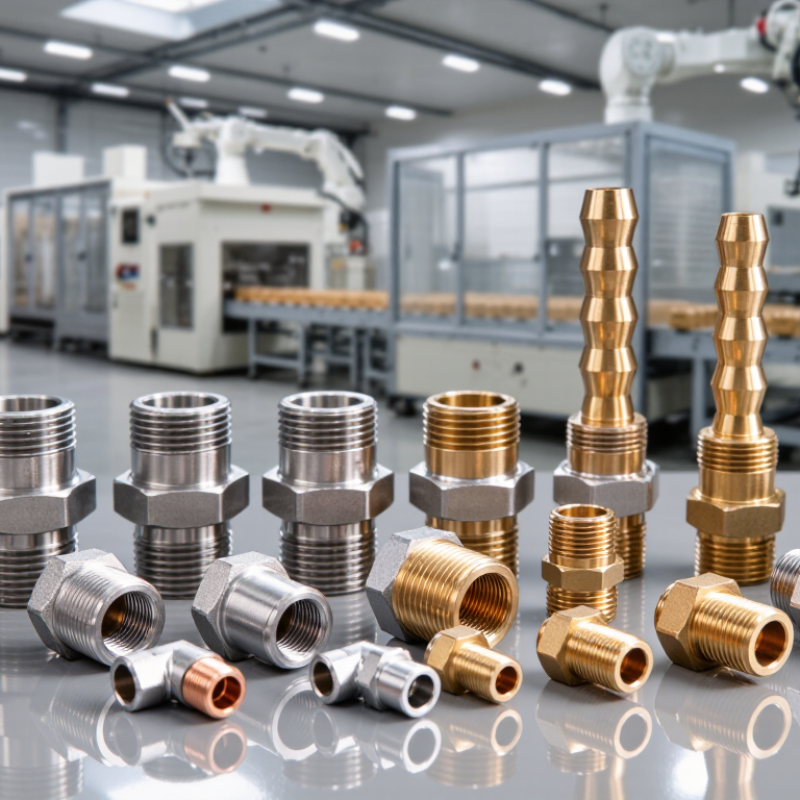
What Compression Fittings Are and Why China Is a Major Manufacturing Hub
China Top 10 Compression Fittings Manufacturers
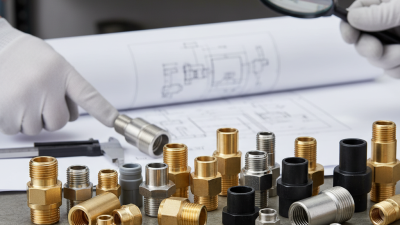
Compression fittings connect tubes without welding, soldering, or thread cutting. A typical assembly uses a body, nut, and ferrule. Tightening the nut compresses the ferrule around the tube. This creates a mechanical seal. Simple in appearance, but dimensional accuracy matters greatly. A small mismatch can cause leakage, vibration damage, or difficult maintenance.
China has become a major manufacturing hub for these components. UNIDO’s 2024 International Yearbook of Industrial Statistics reports that China produces about 31% of global manufacturing value added. Its industrial network supports forging, CNC machining, surface treatment, inspection, and packaging in nearby regions. The World Steel Association recorded approximately 1.02 billion tonnes of crude steel production in China during 2023. That material base supports stainless steel and alloy component supply. Large ports and dense supplier clusters also shorten procurement cycles. That helps, but scale is not proof of quality.
When evaluating China’s top ten manufacturers, buyers should check pressure ratings, tube compatibility, material certificates, dimensional inspection records, and leak-test procedures. ISO 9001 certification can support process control, but it cannot replace product testing. Independent verification remains valuable. Some catalogs look impressive. Their real performance may still depend on ferrule design, surface finish, and operator training. This is where rankings can mislead. The best supplier is not always the largest one. Fancy packaging cannot seal a tube.
China Top 10 Compression Fittings Manufacturers - What Compression Fittings Are and Why China Is a Major Manufacturing Hub
Compression fittings are mechanical connectors that join tubes or pipes by tightening a nut against a ferrule or compression ring. The ferrule deforms around the tube to create a sealed connection, usually without welding, soldering, or specialized installation equipment. The table below presents ten anonymized manufacturer profiles representing common capabilities in China's compression-fittings manufacturing sector. Company names, brands, revenue figures, and unverified ranking claims are intentionally excluded.
| Rank | Anonymized Manufacturer Profile | Common Production Region | Primary Materials | Typical Fitting Types | Common Tube or Pipe Sizes | Thread Options | Typical Pressure Capability | Typical Application Sectors | Commonly Requested Standards or Requirements |
|---|---|---|---|---|---|---|---|---|---|
| 1 | Profile 01 Precision tube-fitting producer |
Zhejiang | Brass, nickel-plated brass, stainless steel | Straight connectors, elbows, tees, bulkhead fittings | Metric and inch tubing from approximately 4 to 22 mm | Metric, BSPP, BSPT, NPT | Application-dependent; commonly specified up to approximately 100 bar for metal tube systems | Instrumentation, pneumatic equipment, water treatment | ISO 8434-1, dimensional inspection, leak testing, RoHS requirements where applicable |
| 2 | Profile 02 Brass plumbing-fittings producer |
Jiangsu | Forged brass, dezincification-resistant brass, stainless steel | Union fittings, reducers, adapters, service valves | PEX, copper, PE, and multilayer pipe sizes commonly used in plumbing | BSP, NPT, metric, and plumbing-specific connection formats | Typically selected according to pipe material, temperature, and local plumbing code | Building plumbing, heating, compressed air, water distribution | EN 1254 series, ISO 15875-related PEX applications, pressure and temperature marking |
| 3 | Profile 03 Stainless-steel industrial fitting producer |
Wenzhou, Zhejiang | 304 and 316 stainless steel, nickel-plated brass | Tube unions, instrument elbows, tees, check-valve fittings | Metric and fractional tubing from approximately 6 to 25 mm | NPT, BSPP, BSPT, metric | Commonly used for medium- and high-pressure instrumentation, subject to design verification | Chemical processing, marine equipment, oil and gas instrumentation | ISO 8434-1, ASTM material specifications where required, corrosion-resistance testing |
| 4 | Profile 04 Pneumatic-control fitting producer |
Ningbo, Zhejiang | Nickel-plated brass, acetal resin, stainless steel | Push-in and compression-style tube fittings, speed controllers, adapters | Polyurethane, nylon, and polyethylene tube sizes commonly from 4 to 16 mm | Metric, BSPP, BSPT, NPT | Often used in pneumatic systems up to approximately 10 bar, depending on tube and seal material | Factory automation, robotics, packaging machinery, air preparation | ISO 14743 for pneumatic tube fittings, working-pressure labeling, air-leak testing |
| 5 | Profile 05 PEX and multilayer-pipe fitting producer |
Taizhou, Zhejiang | Brass, polymer components, EPDM sealing elements | PEX compression fittings, manifold connectors, transition adapters | Common residential and commercial PEX or multilayer sizes, generally 16 to 32 mm | Metric, BSP, and application-specific plumbing threads | Usually designed for building-water and heating conditions; temperature and pressure ratings vary by system | Potable water, underfloor heating, hydronic systems | EN 1254, ISO 15875, ISO 21003, potable-water material requirements where applicable |
| 6 | Profile 06 Hydraulic tube-fitting producer |
Ningbo and Cixi, Zhejiang | Carbon steel, stainless steel, zinc-nickel or zinc-plated steel | Heavy-duty tube connectors, tees, elbows, bulkhead and stud fittings | Metric tube sizes commonly from 6 to 42 mm | Metric, BSP, JIC, ORFS, and other hydraulic connection formats | Frequently specified from approximately 100 to 400 bar, depending on series, tube, and installation | Mobile hydraulics, agricultural machinery, construction equipment | ISO 8434-1, DIN 2353, material traceability, pressure and impulse testing |
| 7 | Profile 07 Water-treatment fitting producer |
Guangdong | Polypropylene, acetal, brass, stainless steel | Tube adapters, shut-off valves, elbow connectors, filter-head fittings | Small water tubing, commonly 1/4, 3/8, and 1/2 inch | NPT, BSP, quick-connect and tube-compression formats | Commonly used for low- to medium-pressure filtration systems, often below 10 bar | Reverse osmosis, filtration, beverage equipment, ice machines | NSF/ANSI 61 or equivalent requirements where specified, food-contact materials, leak testing |
| 8 | Profile 08 Refrigeration and HVAC fitting producer |
Zhejiang and Jiangsu | Copper, brass, stainless steel, elastomer seals | Flare-compression adapters, service fittings, tube connectors, access fittings | Copper and aluminum tubing, commonly 1/4 to 1-1/8 inch | SAE flare, NPT, BSP, and metric formats | Selected according to refrigerant, operating temperature, and system design | Air conditioning, refrigeration, heat pumps, cold-chain equipment | Pressure-leak testing, refrigerant compatibility, ASTM B280 copper-tube applications |
| 9 | Profile 09 Gas and utility fitting producer |
Hebei and Shandong | Brass, ductile iron, stainless steel, engineering polymers | Service connectors, meter fittings, transition fittings, isolation valves | Common gas and utility pipe sizes in metric and inch formats | BSP, NPT, metric, and region-specific utility threads | Must be matched to the applicable gas type, pipe material, code, and approved service pressure | Natural gas, LPG, utility metering, industrial gas distribution | EN 331, local gas-code approvals, gas-tightness testing, flame-resistance requirements |
| 10 | Profile 10 OEM and custom-machining producer |
Shanghai, Jiangsu, and Zhejiang | Brass, stainless steel, aluminum, carbon steel, engineered plastics | Custom connectors, miniature fittings, manifolds, special adapters | Customer-specified metric, fractional, and miniature tube dimensions | Metric, NPT, BSP, UNF, and proprietary OEM interfaces | Designed and validated according to the customer's pressure, temperature, and fatigue requirements | Medical equipment, laboratory instruments, automotive systems, electronics cooling | Customer drawings, PPAP or inspection plans where required, ISO 9001 quality systems |
China is a major manufacturing hub for compression fittings because it combines extensive brass, steel, and polymer supply chains with mature forging, casting, CNC machining, plating, injection-molding, assembly, and export-logistics capabilities. Actual pressure ratings, certifications, material grades, and compliance status must be confirmed from the relevant technical datasheet and test report before purchase or installation.
Related Posts
-
What is Compression Fittings and How Do They Work?
-
Top Compression Fittings in China for Global Buyers?
-

How to Choose the Right Compression Fittings for Your Plumbing Needs
-
2026 Best Compression Fittings for Efficient Plumbing Solutions?
-

How to Choose Compression Fittings for Global Sourcing?
-
How to Choose the Best Compression Fittings for Your Needs?