How to Choose the Best Ball Valve for Your Needs?
Choosing the best ball valve for your needs can be a daunting task. The ball valve market is expected to reach $9 billion by 2027, according to a recent report by Markets and Markets. With so many options available, understanding the specifications is crucial. Industry experts emphasize the balance between functionality and durability.
James Richardson, a noted authority in valve technology, once stated, "Selecting the right ball valve is essential for operational efficiency." His insights highlight the importance of choosing materials and design based on the application. For example, stainless steel valves are ideal for corrosive environments, while plastic options might suit less demanding situations.
In addressing your selection process, it's vital to consider both performance and maintenance requirements. Often, users discover that they overlooked specific features that could enhance reliability. These details matter and can affect long-term costs. Understanding these factors will lead to better-informed decisions in your ball valve selection.
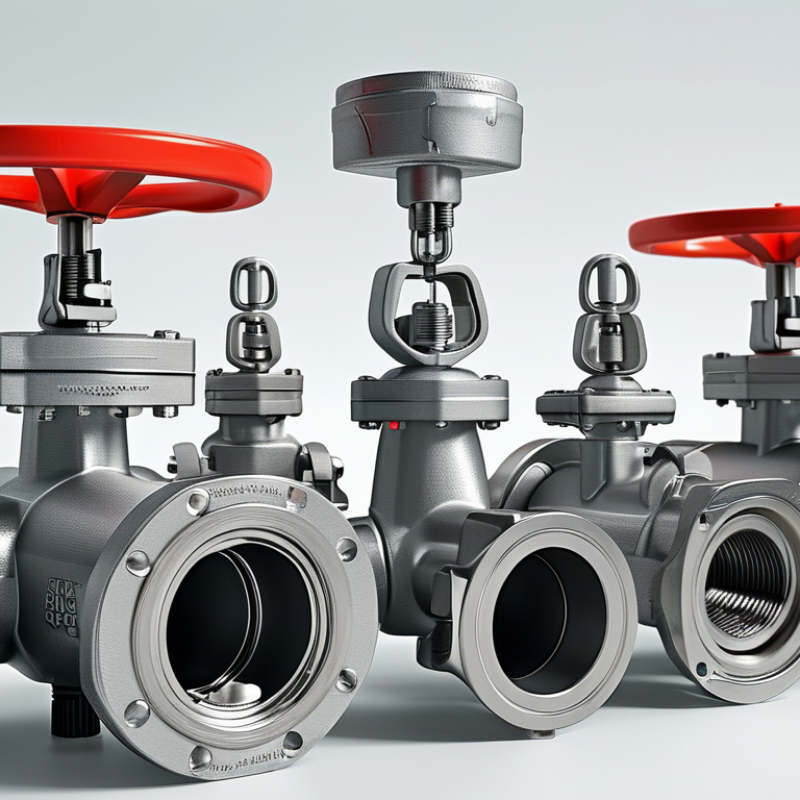
Understanding Ball Valves: Types and Functions
When selecting a ball valve, understanding the types and functions is crucial. Ball valves come in several types, including floating, trunnion-mounted, and v-port. Floating ball valves are common in low-pressure applications. This type relies on the fluid pressure to seal against the valve seat. Trunnion-mounted valves offer better control and durability for high-pressure systems. The v-port design allows for precise flow regulation, making it ideal for throttling services.
Each type has distinct performance characteristics. According to industry reports from the American National Standards Institute (ANSI), floating ball valves account for over 60% of the market due to their versatility in various applications. Trunnion-mounted valves are favored for their stability in high-pressure environments, but they may require more maintenance. The right choice hinges on specific requirements, like the desired pressure rating and fluid characteristics.
Selecting the optimal ball valve is not merely technical. Considerations include material compatibility and potential for wear over time. A survey conducted by the Valve Manufacturers Association revealed that nearly 30% of users encountered premature failure due to mismatched materials. Ensuring valve reliability involves considering these details and aligning them with operational goals.
Key Factors to Consider When Choosing a Ball Valve
When selecting a ball valve, consider several key factors. The first is the valve material. Stainless steel, brass, and PVC are common choices. Each material has unique properties that affect durability and resistance to chemical corrosion. For instance, stainless steel handles high pressures well. PVC is lighter and resistant to certain chemicals but may not perform under high temperatures. Understanding where and how the valve will be used guides this decision.
Next, evaluate the pressure and temperature ratings. Every application has specific requirements. Using a valve beyond its rated capacity can lead to failure. A thorough understanding of the operating environment is critical. Consider the flow rate and size of the valve too. A properly sized valve ensures efficient flow. Oversized valves can create turbulence, while undersized valves can restrict flow.
Finally, think about the valve type and design features. Full-port valves allow for maximum flow, while reduced-port valves are more compact but can limit flow in some situations. Actuated options offer automation, which can improve efficiency. Each choice has trade-offs. Reflecting on your specific needs will lead you to the best decision.
How to Choose the Best Ball Valve for Your Needs? - Key Factors to Consider When Choosing a Ball Valve
| Factor |
Description |
Recommended Material |
Common Applications |
| Size |
Determine the required pipe size and flow rate for your application. |
Stainless Steel, PVC |
Water supply, HVAC systems |
| Pressure Rating |
Ensure the valve can handle the maximum pressure of your system. |
Carbon Steel, Brass |
Gas systems, Industrial processes |
| Temperature Range |
Check the temperature of the media being controlled. |
PTFE, High-Temperature Brass |
Chemical processing, Oil and gas |
| Actuation Type |
Decide between manual, pneumatic, or electric actuation. |
Stainless Steel, Aluminum |
Automated systems, Control applications |
| Connection Type |
Identify suitable connection types (e.g., threaded, flanged). |
Brass, PVC |
Plumbing, Irrigation systems |
Materials and Construction: Finding the Right Ball Valve
When selecting a ball valve, the choice of materials is crucial. Common materials include brass, stainless steel, and PVC. Each has its unique advantages and drawbacks. Brass is cost-effective but may corrode over time. Stainless steel offers durability and resistance to harsh environments, but it can be expensive. PVC is lightweight and resistant to chemicals, yet it may not withstand high temperatures.
The construction of the valve also impacts performance. Look for features like full-port or reduced-port designs. Full-port valves allow greater flow capacity, while reduced-port valves are often more compact. The sealing mechanism is another critical factor. PTFE seals can withstand higher pressures but may wear out faster in abrasive conditions. Always consider the specific application before deciding.
Ultimately, evaluating both materials and construction requires careful thought. There is no one-size-fits-all solution. Consider consulting with experts when in doubt. It’s essential to weigh the benefits against potential downsides. The right decision can enhance reliability and efficiency. But the wrong choice may lead to leaks or premature failures. A thorough understanding can guide you in making informed decisions.
Sizing and Specifications for Optimal Performance
When selecting a ball valve, understanding sizing and specifications is crucial. Valve size fundamentally affects flow rates and system pressure. A well-sized valve ensures efficient operation. Oversized valves can lead to turbulence, causing energy loss. Conversely, undersized valves may restrict flow, leading to increased wear and tear on your system.
Consider the connection types and pressure ratings as well. Each application has unique requirements. The valve must withstand the medium's pressure and temperature conditions. If you underestimate these factors, it could result in premature failure or leaks. It's essential to assess the dimensions accurately, including body, port, and mounting specifications.
Take time to consult with experts in valve selection. They can provide insights to optimize your decision. However, reflect on their advice critically. Not every recommendation will perfectly match your needs. It's essential to balance expert opinions with actual operational parameters. The right ball valve is vital for maintaining system integrity and enhancing longevity.
How to Choose the Best Ball Valve for Your Needs?
This chart illustrates the flow rate of different types of ball valves at varying pressures. Selecting the right ball valve for your needs should consider both the flow rate and pressure specifications to ensure optimal performance.
Maintenance and Longevity: Ensuring Your Ball Valve Lasts
When it comes to ball valves, maintenance is crucial for longevity. Regular inspections can prevent costly failures. A recent industry report emphasized that 25% of valve failures are due to improper maintenance. Ensuring your ball valve receives attention can significantly extend its working life.
Corrosion can severely affect valve performance. According to the American Society of Mechanical Engineers, almost 30% of industrial valve failures relate to corrosion. Using the right materials and protective coatings can mitigate this risk. Additionally, lubricating your valve periodically ensures smooth operation and can help avoid rust buildup.
Monitoring operating conditions is also essential. Fluctuations in temperature and pressure can stress the valve. A study from the Valve Manufacturers Association found that 40% of valves fail due to extreme environmental factors. Operators should record these conditions and adjust maintenance routines accordingly. Understanding your specific application will help tailor the maintenance approach, ultimately enhancing your valve’s reliability.