10 Essential Tips for Choosing Ppsu Pex Fittings in 2026
In 2026, selecting Ppsu Pex fittings can seem daunting. The market is flooded with options, each claiming superiority. However, making the right choice is crucial for ensuring durability and safety in plumbing systems. Quality fittings contribute to a reliable water supply and prevent costly leaks.
When choosing Ppsu Pex fittings, it is essential to consider material quality and compatibility. Not all Pex fittings are created equal. Some may not withstand extreme temperatures or pressures. Understanding the specifications can save you from future headaches.
Take your time when evaluating different brands. Research their reputation and customer reviews. Fitments should provide long-term performance without frequent issues. Reflect on past experiences with fittings. They may help guide your current decision and avoid similar mistakes. By focusing on these aspects, you can confidently choose the right Ppsu Pex fittings for your needs.
Understanding PPSU and PEX Materials for Fittings
PPSU (Polyphenylsulfone) and
PEX (Cross-Linked Polyethylene)
are increasingly popular materials for plumbing fittings. They offer excellent resistance to
temperature changes and chemicals. Understanding their unique properties is crucial in
selecting the right fittings.
PPSU is known for its
durability and ability to withstand high pressures. It is lightweight and easy to install.
PEX, on the other hand,
is flexible and resistant to scale and chlorine, making it ideal for various plumbing
applications.
When choosing fittings, consider the specific environment they will be used in. Both materials
perform well in hot and cold water systems. However,
PPSU provides higher thermal stability, which can be
beneficial for systems facing fluctuating temperatures. Evaluating the installation process is
equally important. Some users may find
PEX easier to work with due to its flexibility, even
if PPSU offers higher strength.
It's essential to ensure that the fittings meet safety and performance standards. Researching
independent reviews can help in making informed decisions. Not every fitting on the market
will suit every application. You may encounter
compatibility issues if not thoroughly
checked. Thus, asking experts can prevent costly mistakes later on. Understanding these
materials' features extends beyond mere preference. It influences how reliably your plumbing
will function for years to come.
Evaluating Performance Characteristics of PPSU PEX Fittings
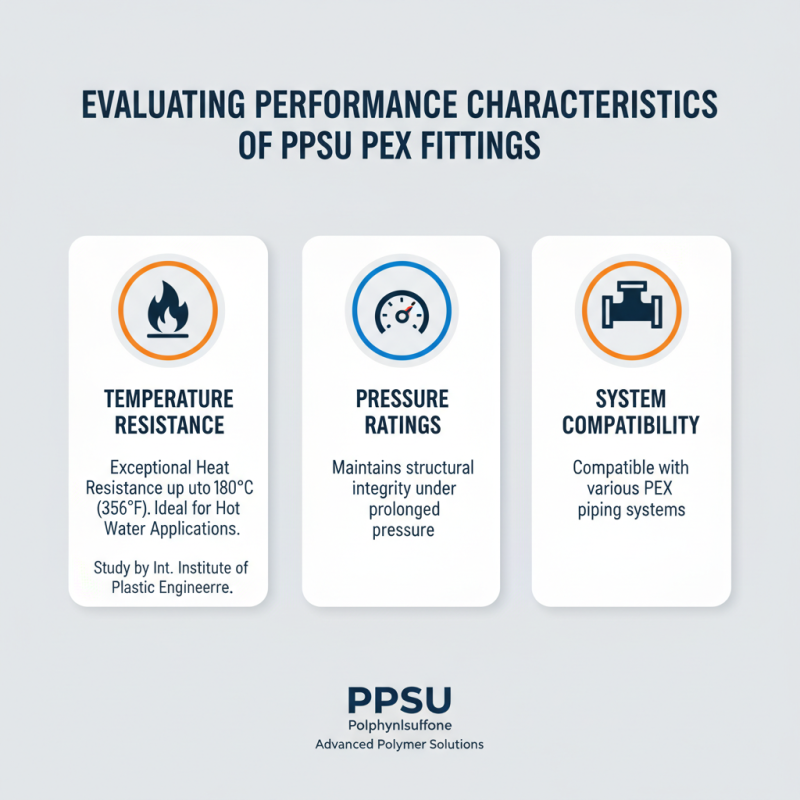
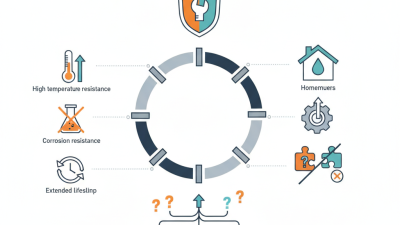
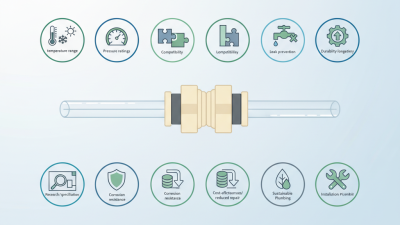
When evaluating the performance characteristics of PPSU PEX fittings, consider key factors such as temperature resistance, pressure ratings, and compatibility with various piping systems. PPSU, or polyphenylsulfone, offers exceptional heat resistance up to 180°C. This makes it ideal for hot water applications and environments where high thermal stability is crucial. A study by the International Institute of Plastic Engineering notes that PPSU PEX fittings maintain structural integrity under prolonged exposure to heat, outperforming traditional materials.
Tip: Always assess the pressure ratings of fittings. Manufacturers typically provide specifications that outline safe operating pressures. Look for fittings that can withstand higher pressures to ensure durability.
PPSU PEX fittings are resistant to corrosion and chemical degradation. They are less likely to leach harmful substances into water systems compared to other materials. A 2023 report from the Water Quality Association highlights that PPSU fittings exhibit minimal leaching even under extreme conditions. However, not all fittings guarantee the same performance. It's essential to scrutinize the quality of the materials used.
Tip: Check for third-party certifications. Certifications from reputable organizations help confirm the material's reliability and performance in real-world applications.
Informed choices come from understanding these characteristics. Each fitting's performance can vary based on environmental factors and installation practices. Regular assessments and updates are vital to ensure continued efficiency and safety in plumbing systems.
Assessing Compatibility with Existing Plumbing Systems
When selecting PPSU PEX fittings, compatibility with existing plumbing systems is crucial. Not all systems are alike. Some older pipes may not suit new fittings. Assessing your current infrastructure prevents costly mistakes.
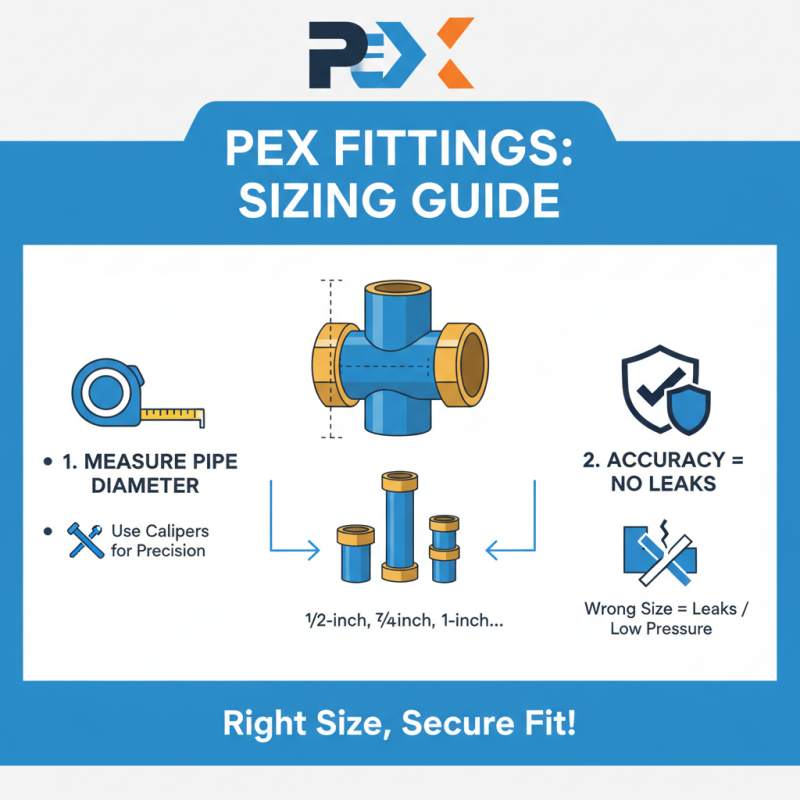
Begin by examining your existing pipes for any signs of wear. Look for corrosion or leaks. These can indicate the need for replacement. Check the size and material of your current plumbing. Compatibility issues often arise from mismatched dimensions. Use a measuring tape for accuracy. Ensure the fittings you choose can accommodate your specific needs.
Consider consulting a plumbing expert. Their knowledge can clarify which fittings work best with your system. But remember, experts can overlook subtle details. Always double-check what you learn. Note that your local plumbing codes may affect your choices. Research these regulations. Choosing the right PPSU PEX fittings enhances system performance. Make informed decisions to avoid future headaches.
10 Essential Tips for Choosing Ppsu Pex Fittings in 2026
The chart below illustrates the compatibility factors to consider when selecting PPSU PEX fittings for plumbing systems in 2026. The data represents various factors' importance on a scale from 1 to 10, based on industry insights.
Reviewing Health and Safety Standards for PEX Fittings
When selecting PEX fittings, health and safety standards are paramount. According to the Plastic Pipe and Fittings Association (PPFA), PEX material must meet stringent testing. This includes resistance to corrosion, potential leaks, and thermal performance under varying conditions. In 2026, these standards evolve, making it critical for professionals to stay informed.
Research shows that inadequate PEX fittings can lead to significant health risks. Contaminants can enter the water supply if fitting connections fail. A report by the American Society of Sanitary Engineering (ASSE) outlines that improper installation or substandard materials poses a threat. It emphasizes the importance of using certified, test-compliant fittings to mitigate potential hazards.
Additionally, the latest studies indicate that 40% of plumbing failures are linked to non-compliant fittings. This statistic highlights the need for diligence in both manufacturing and installation. Safety is not just about meeting the minimum standards; it's about exceeding them. Plumbing professionals must reflect on their practices to ensure that every fitting chosen contributes to a reliable and safe water system.