What are Ppsu Pex Fittings and How to Choose the Best?
Ppsu Pex Fittings are revolutionizing plumbing systems worldwide. These fittings offer durability and resistance to chemicals, making them ideal for various applications. Recent reports estimate that the market for Ppsu Pex fittings will grow steadily, driven by rising demand in residential and commercial sectors. As industry expert Dr. Emily Ridge states, “Choosing the right fittings can significantly impact the longevity and efficiency of plumbing systems.”
While many recognize the advantages of Ppsu Pex Fittings, challenges remain. Some users overlook specifications, leading to compatibility issues. It’s crucial to understand the nuances of different fittings for optimal performance. Reports show that improper installation is a common cause of system failures. Users must pay attention to the details, ensuring they select the best options available.
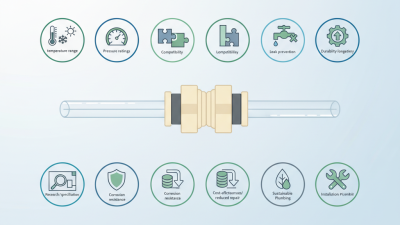
In a landscape filled with multiple brands and varieties, making an informed decision can be daunting. Selecting the right Ppsu Pex Fittings requires careful consideration of factors like temperature, pressure ratings, and intended use. Balancing these elements is key to achieving efficient plumbing solutions while avoiding potential shortcomings.
Understanding PPSU and PEX Materials in Fittings
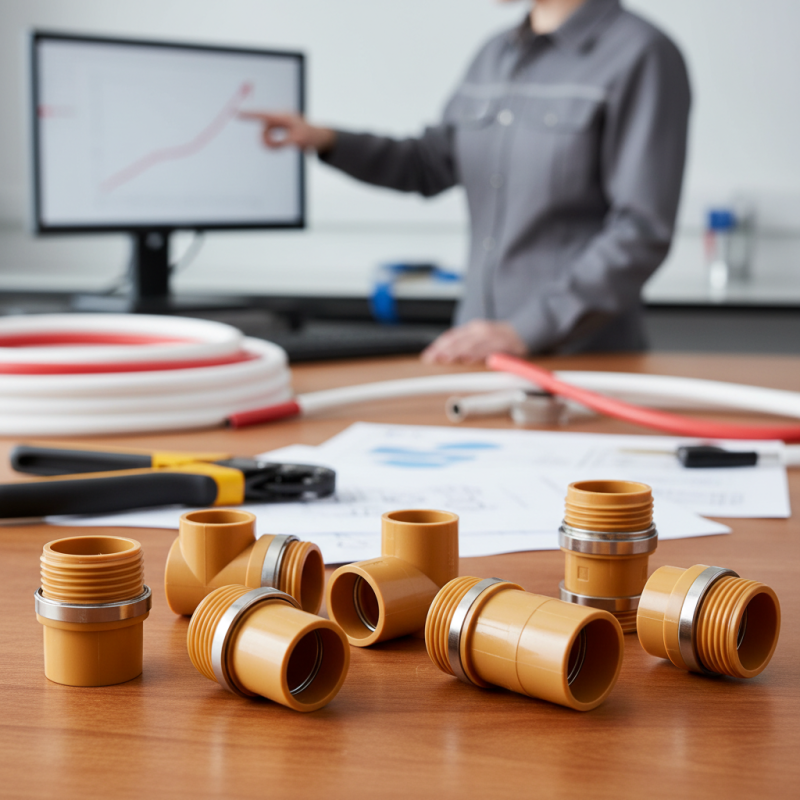
When discussing Ppsu Pex fittings, it's essential to understand the materials involved: PPSU and PEX.
PPSU, or polyphenylsulfone, is known for its high thermal stability. It withstands temperatures up to 180°C without losing integrity. This makes it suitable for applications involving hot water. On the other hand, PEX, or cross-linked polyethylene, is flexible and resistant to scale and chlorine. Research indicates that PEX has increased in popularity, projected to surpass a $2 billion market by 2027.
PPSU fittings carry an edge due to their durability. They have a high resistance to impact and can endure harsh conditions. Data shows that fittings made from PPSU perform better than traditional materials in areas like corrosion resistance. However, not all applications require such extensive properties. In less demanding environments, PEX fittings might provide adequate performance at a lower cost.
People often overlook the importance of choosing the right material for specific applications. This can lead to issues like leaks or early failures. The decision should consider factors such as temperature and pressure requirements. Industry reports suggest that over 30% of plumbing failures stem from improper material selection. So, understanding these materials is crucial for ensuring longevity and reliability in your plumbing systems.
Key Features and Benefits of PPSU PEX Fittings
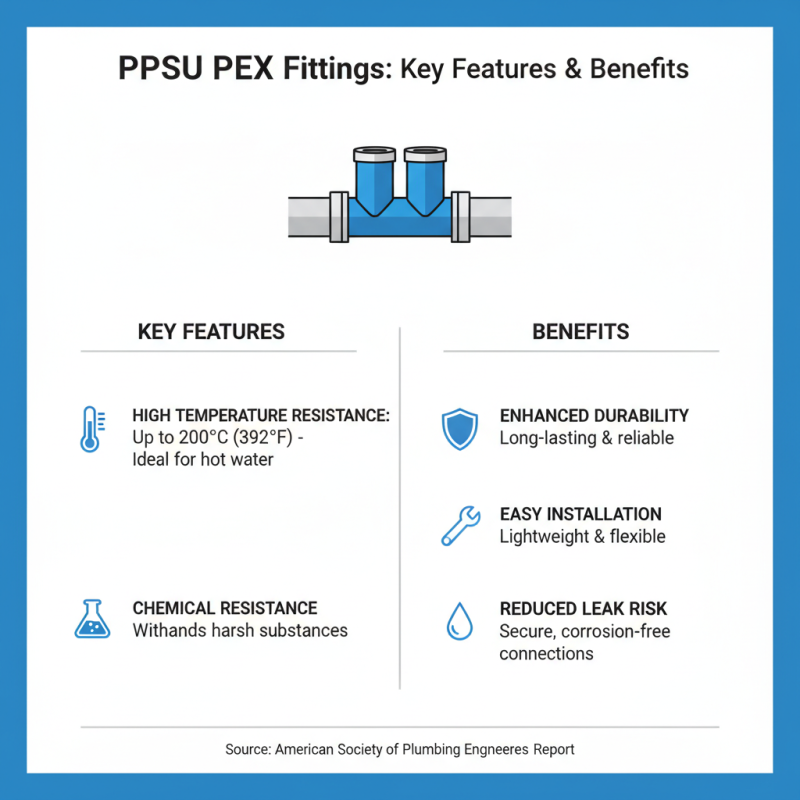
PPSU PEX fittings have gained popularity in plumbing due to their unique advantages. Made from polyphenylsulfone, these fittings exhibit excellent resistance to high temperatures and chemicals. A report by the American Society of Plumbing Engineers indicates that PPSU fittings can withstand temperatures up to 200°C, making them suitable for hot water applications. This feature significantly reduces the risk of failure in high-temperature environments.
The durability of PPSU PEX fittings is another key benefit. They are resistant to scale and corrosion, unlike traditional metal fittings. Studies show that fixtures made from PPSU can last over 50 years without significant degradation, particularly in harsh conditions. This longevity not only enhances system reliability but also minimizes the need for frequent replacements, ultimately reducing costs.
However, one must consider the installation process. PPSU PEX fittings require specific tools and methods for optimal performance. Improper handling could lead to leaks or weak connections. Additionally, the initial cost may be higher compared to other materials, which might deter some users. Balancing the long-term benefits with short-term expenses is essential for making informed choices in plumbing systems.
Factors to Consider When Choosing PEX Fittings
When selecting PEX fittings, several factors require careful consideration. The type of PEX fitting is crucial. Options include crimp, clamp, and push-fit varieties. Each type has specific installation requirements and compatibility with PEX types. A deep understanding of your plumbing system helps simplify this choice.
Material plays a significant role, too. Ppsu fittings are durable and resistant to high temperatures. They are lightweight, making installation easier. However, they may not suit all environments. Consider if a metal or other plastic fitting might work better in your specific system. Don't overlook local codes either. Compliance can affect your piping choices.
Sizing is another area that often leads to confusion. Ensure you have the correct measurements to avoid leaks. Too large or too small fittings can cause inefficiencies. Take additional time to double-check dimensions. Reflect on your prior experiences with PEX fittings and look for potential issues you faced. Learning from previous mistakes can significantly aid your decision-making.
Comparing PPSU PEX Fittings to Other Materials
PPSU PEX fittings are gaining attention for their durability and performance. However, how do they stack up against traditional materials like brass and plastic? When comparing these fittings, it's important to consider their resistance to corrosive agents and high temperatures. PPSU, or polyphenylsulfone, offers excellent chemical resistance. It can withstand harsh conditions that might damage other materials.
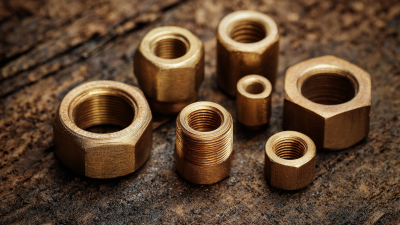
Brass fittings are sturdy, but they often corrode over time. Plastic alternatives can be lightweight but may lack strength. Meanwhile, PPSU combines both resilience and lightweight features. An advantage here is its longevity, minimizing the need for replacements. Yet, there are concerns about the cost. PPSU fittings might be pricier than standard options, which makes some homeowners hesitant.
In practical applications, reliability is crucial. Unlike brass, PPSU won't leach metals into the water supply. This aspect enhances safety for household use. On the flip side, installation can be tricky for novices. Proper tools and techniques are vital for optimal use. Reflecting on these details can lead to a more informed decision. Choosing the right fitting depends on individual needs and long-term goals.
What are Ppsu Pex Fittings and How to Choose the Best? - Comparing PPSU PEX Fittings to Other Materials
| Material |
Durability |
Temperature Resistance |
Chemical Resistance |
Cost |
Weight |
| PPSU |
High |
Up to 200°C |
Excellent |
Moderate |
Lightweight |
| PEX |
Moderate |
Up to 95°C |
Good |
Low |
Lightweight |
| PVC |
Low |
Up to 60°C |
Poor |
Very Low |
Heavy |
| Copper |
High |
Up to 200°C |
Good |
High |
Heavy |
Installation Tips for PPSU PEX Fittings
When installing PPSU PEX fittings, precision is key. These components are durable and reliable, but proper installation ensures their performance. Begin by gathering the necessary tools. You'll need a pipe cutter, a deburring tool, and a heat source if you're working with PEX.
Carefully measure and cut the PEX tubing to your desired length. Deburr the edges to prevent any damage during fitting connection. It is important to ensure that the cuts are straight and clean. Instead of rushing this step, take your time. A bad cut can lead to leaks later.
Before inserting the fittings, make sure that the tubing is adequately heated for expansion, but not overheated. As you slide the fitting into place, ensure it reaches the full depth mark. After that, use the proper crimping tool to secure the connection. Double-check that you’ve followed the manufacturer’s guidelines.
Here’s some tips: Always look for visible damage on fittings before installation. Poorly made PEX fittings can lead to significant issues. While you may feel tempted to skip this step, it’s crucial for a long-lasting fixture. Additionally, regularly inspect your installation after completion for leaks. Adjustments can be made early on to prevent expensive repairs later.
PPSU PEX Fittings Popularity by Material Choice