Top Stainless Steel Pipe Fittings Manufacturers

Choosing the top Stainless Steel Pipe Fittings manufacturers requires more than comparing catalogs or polished factory photographs. Buyers need evidence of material quality, dimensional control, production experience, and dependable delivery. A fitting may look flawless on a warehouse shelf, yet fail early when exposed to chlorides, vibration, pressure changes, or repeated thermal cycling.

John C. Lippold, a recognized authority on stainless-steel welding and metallurgy, offers a practical principle: “Service conditions should guide material and fabrication decisions.” That principle matters here. A serious manufacturer should identify the stainless grade, confirm heat-treatment practices, and provide traceable inspection records. Thread accuracy, weld penetration, surface finish, and pressure performance also deserve close attention. Small details can become expensive leaks.

This guide examines manufacturers through those real-world signals. It considers product range, standards awareness, testing capability, customization, technical support, and after-sales reliability. It also looks beyond impressive claims. A large production line does not automatically guarantee consistent fittings. Sometimes, a smaller factory shows stronger process discipline and clearer communication. That possibility is easy to overlook.

No ranking is perfect. Market conditions change, and supplier performance can vary between batches. Therefore, readers should verify certificates, request samples, and match each fitting to its actual service environment. The strongest Stainless Steel Pipe Fittings manufacturers do not merely sell metal components. They help engineers reduce installation risk, protect system integrity, and make decisions that remain dependable after the paperwork is forgotten.
Top Stainless Steel Pipe Fittings Manufacturers

What Are Stainless Steel Pipe Fittings?

Stainless steel pipe fittings are components that connect, redirect, or terminate piping systems. They help transport water, air, chemicals, and other fluids safely.

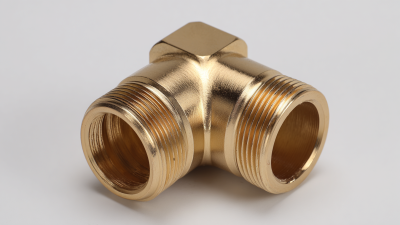
Common forms include elbows, tees, reducers, couplings, unions, and caps. Elbows change flow direction, while tees divide one line into two branches. Reducers connect pipes with different diameters. Caps close unused pipe ends. Small parts, important roles.

In field inspections, I check the fitting’s grade, dimensions, wall thickness, and connection method. A fitting can look flawless but still fail under pressure. That mistake is costly. Grade 304 suits many indoor and general service applications. Grade 316 often performs better around salt, chlorides, or harsh moisture. However, grade selection alone does not guarantee reliability.

Threaded fittings can simplify maintenance, but damaged threads may cause leaks. Welded fittings provide strong, permanent joints when preparation and welding are controlled. Press-fit systems can reduce installation time, although sealing quality remains critical. Manufacturers should control material traceability, surface cleanliness, and dimensional accuracy. Clean edges matter. I also inspect packaging before installation. Scratches, dirt, and mixed components can create problems later. Even polished stainless steel needs suitable storage and careful handling.

Key Types of Stainless Steel Pipe Fittings

Top Stainless Steel Pipe Fittings Manufacturers

Key Types of Stainless Steel Pipe Fittings

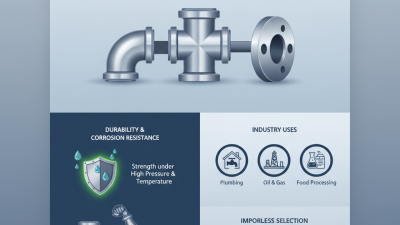
Stainless steel pipe fittings guide flow, manage pressure, and connect process sections safely. The main types include elbows, tees, reducers, couplings, caps, unions, and flanges. Elbows change direction, usually at 45 or 90 degrees. Tees divide flow between a main line and a branch. Reducers connect different pipe diameters while limiting turbulence. Small detail, large consequence.

Material selection matters. Grade 304 suits many water, food, and general industrial systems. Grade 316 offers stronger resistance to chlorides and coastal exposure. ASTM A403 covers wrought austenitic stainless steel fittings, while ASME B16.9 defines dimensions for factory-made butt-welding fittings. These standards help engineers compare wall thickness, outside diameter, and pressure performance. However, compliance does not replace inspection.

World Stainless reported global stainless crude steel production of about 58.4 million metric tonnes in 2023. That volume reflects continuing demand across construction, energy, and process equipment. In practical installations, surface finish and weld quality deserve equal attention. A polished elbow may still hide poor penetration. A correctly sized reducer may create avoidable vibration if its transition is too abrupt. Field checks should verify heat numbers, dimensions, weld alignment, and passivation records. I would not treat any catalog specification as complete evidence. Actual service temperature, fluid chemistry, installation stress, and maintenance access can change the fitting choice.

How to Evaluate Fittings Manufacturers

Top Stainless Steel Pipe Fittings Manufacturers

How to Evaluate Fittings Manufacturers

A reliable fittings manufacturer should show more than attractive product photos. Ask for material certificates, heat numbers, dimensional reports, and pressure-test records. These documents connect each fitting to a traceable production batch. Check whether the stainless steel grade matches the application, temperature, and fluid conditions. A fitting for clean water may not suit corrosive chemical service.

Production control matters. Review forming methods, welding procedures, surface finishing, and inspection equipment. Look for clear tolerances, consistent wall thickness, and smooth internal surfaces. Request sample pieces when possible. Measure them with calipers, inspect threads or welds, and compare them with approved drawings. Small deviations can cause leakage during installation.

Communication reveals practical experience. Manufacturers should answer technical questions directly, not hide behind general claims. Ask about minimum order quantities, inspection stages, packaging, lead times, and handling of nonconforming parts. Independent certifications can support credibility, but certificates should be current and verifiable. A factory audit may reveal storage problems that brochures never mention.

No checklist is perfect. I would not choose a supplier only because of a low price or fast reply. Those advantages can disappear after repeated failures. A stronger evaluation combines documents, samples, production evidence, and references from comparable projects. Even experienced buyers can overlook one detail, especially when specifications are incomplete. That weakness deserves review before approval.

Leading Stainless Steel Pipe Fittings Manufacturers

Leading stainless steel pipe fittings manufacturers are judged by more than polished catalogs. Their real value appears in consistent dimensions, clean welds, and dependable documentation.

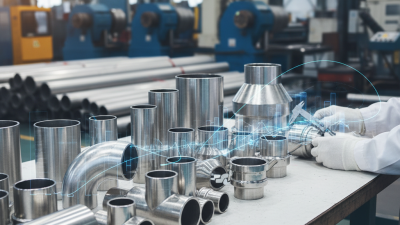
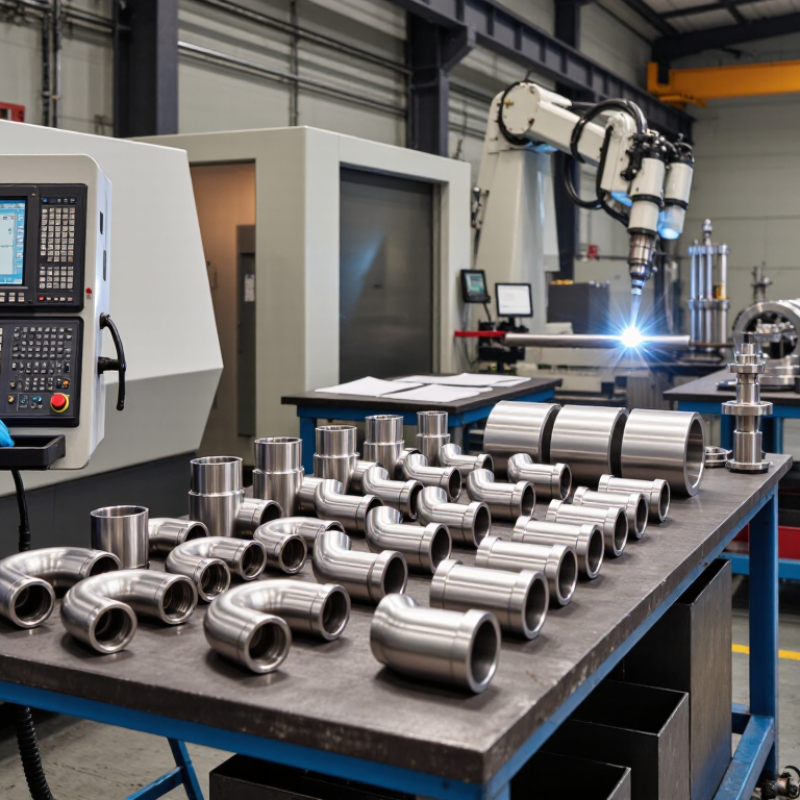
Experienced manufacturers control every stage, from material selection to final inspection. They verify grades such as 304 and 316 with traceable mill certificates. Production teams check wall thickness, thread accuracy, surface finish, and fitting alignment. Hydrostatic testing and dimensional inspections help expose hidden weaknesses before shipment. Small details matter.

Reliable manufacturers also understand actual installation conditions. They consider pressure, temperature, corrosion exposure, and repeated maintenance. A fitting designed for a food-processing line may require a smoother internal surface than one used in general utilities. Engineers should review drawings carefully, because a minor angle error can delay an entire installation. It happens.

Strong quality systems include calibrated instruments, documented procedures, and trained inspectors. Independent testing can add confidence when projects involve strict specifications. However, no manufacturer gets every detail right. The better companies admit production limits, investigate complaints, and improve their process instead of hiding problems. Clear communication about tolerances, lead times, and available certifications also supports dependable purchasing decisions.

For buyers, factory audits and sample evaluations remain practical steps. Look closely at packaging, markings, weld penetration, and protective caps. These physical signs often reveal how seriously a manufacturer treats quality after production. Experience is useful, but verified evidence is stronger.

Top Stainless Steel Pipe Fittings Manufacturers - Leading Stainless Steel Pipe Fittings Manufacturers

Product Category Common Stainless Steel Grades Applicable Product Standard Typical Nominal Size Range Connection Type Typical Applications Reference Basis
Butt-Weld Elbows 304/304L, 316/316L ASME B16.9; ASTM A403 NPS 1/2 to NPS 48 under ASME B16.9 dimensional coverage Butt welding Process piping, water treatment, chemical and food-processing systems ASME dimensional requirements and ASTM material specification
Butt-Weld Tees and Crosses 304L, 316L, 321, 347 ASME B16.9; ASTM A403 NPS 1/2 to NPS 48 under ASME B16.9 dimensional coverage Butt welding Branch connections, utility piping, heat-exchanger and industrial lines ASTM A403 covers wrought austenitic stainless steel fittings
Reducers 304/304L, 316/316L ASME B16.9; ASTM A403 NPS 1/2 to NPS 48 under ASME B16.9 dimensional coverage Concentric or eccentric butt weld Pump inlets, process transitions and pipe-size changes ASME B16.9 dimensions and tolerances
Socket-Weld Fittings 304/304L, 316/316L ASME B16.11; ASTM A182 NPS 1/8 to NPS 4 commonly covered by ASME B16.11 Socket welding High-pressure instrument, hydraulic and industrial piping Forged fitting dimensions and pressure classes are specified by ASME B16.11
Threaded Fittings 304/304L, 316/316L ASME B16.11; ASTM A182 NPS 1/8 to NPS 4 commonly covered by ASME B16.11 NPT or other specified tapered-pipe threads Instrumentation, compressed air, water and general utility services Thread form and fitting dimensions must be confirmed against the purchase specification
Stainless Steel Flanges 304/304L, 316/316L, 321 ASME B16.5; ASME B16.47 for large diameters; ASTM A182 NPS 1/2 to NPS 24 under B16.5; NPS 26 to NPS 60 under B16.47 Weld neck, slip-on, blind, threaded and socket-weld Pipeline joints, valves, pumps and pressure-vessel connections ASME standards define flange dimensions, pressure classes and facing details
Sanitary Clamp Fittings 304, 304L, 316L ASME BPE; applicable 3-A sanitary requirements Common tube outside diameters include 1/2 to 12 inches, subject to specification Tri-clamp, orbital weld or hygienic connection Dairy, beverage, pharmaceutical and biotechnology systems ASME BPE addresses materials, surface finish, dimensions and cleanability
Press-Fit Stainless Fittings Austenitic stainless steel, commonly 304/304L and 316L EN 10312; system-specific national or regional approvals Common building-service sizes from approximately 12 mm to 108 mm Press connection with elastomeric sealing ring Potable water, heating, cooling and building-services piping Performance depends on the complete approved fitting, tube and sealing system
Quality and Inspection Capabilities Material traceability by heat number; 304L and 316L commonly specified ASTM A403, ASTM A182, ASME B16.9 or ASME B16.11, as applicable Inspection scope is defined by the product standard and purchase order Dimensional, visual, chemical and mechanical verification Industrial procurement, project qualification and regulated applications Mill certificates, PMI, hardness, tensile testing and NDE may be required by specification

Note: Size ranges and inspection requirements vary by manufacturer, product standard, pressure class, material grade and purchase specification. Confirm the applicable standard and certification requirements before ordering.

How to Select the Right Manufacturer for Your Project

Selecting the right stainless steel pipe fittings manufacturer starts with project evidence, not attractive catalog photos. Define grade, dimensions, pressure class, temperature, connection type, and applicable standards. ASME B16.9, B16.11, and ISO 9001 requirements can guide technical and quality checks. The manufacturer should provide material certificates, heat numbers, dimensional reports, and pressure-test records.

Traceability matters.

Production scale also deserves scrutiny. The World Stainless Association reported about 58.4 million tonnes of crude stainless steel production in 2023, showing a large and competitive supply base. High output, however, does not prove fitting quality. Ask about forging equipment, welding controls, solution annealing, pickling, passivation, and final inspection. Request recent sample reports. Check them against your drawings.

Visit the facility when possible, or arrange a documented remote audit. Examine calibration labels, storage conditions, packaging, and nonconformance records. A clean showroom means little if pipe fittings are mixed on the warehouse floor. I would compare total cost, not only unit price. Delays, rejected batches, and missing certificates can exceed the initial savings. This is where selection becomes less comfortable. No checklist catches everything. Review communication speed, engineering support, production capacity, and corrective-action history. Independent testing can strengthen confidence for critical applications. Still, even experienced buyers should leave room for doubt and verify claims before approving a long-term supplier.